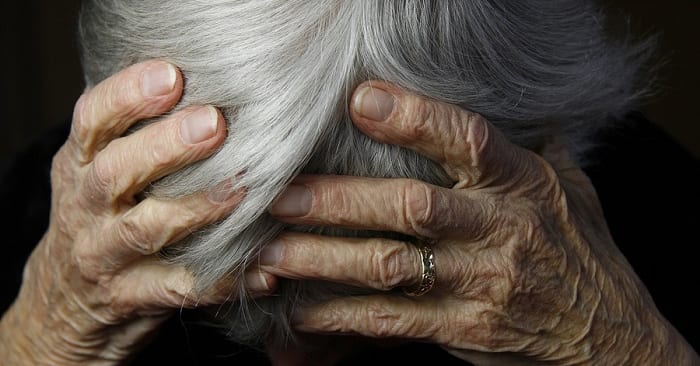
One of the most common misconceptions about dementia is that it simply causes memory loss. However this could not be further from the truth.
There are over 100 different types of dementia, and along with it a wide varying range of symptoms that are as unique as the people that they affect.
Some of the more challenging, though not rare, symptoms that people and their families may face are major psychiatric symptoms such as hallucinations, delusions or paranoia.
Linda Shumaker, a nurse who works as outreach coordinator for the Pennsylvania Behavioural Health and Aging Coalition, believes that services are inadequate and that both professional and lay caregivers need more education.
Depression and anxiety tend to be more common early in dementia, and delusions and hallucinations can become frequent in the later stages.
Psychiatric problems occur in all types of dementia, but certain symptoms are more frequent in particular types of dementia. For example, hallucinations are among the first signs of Lewy body dementia while people with vascular dementia are at a higher risk for depression.
Seeking help can also be difficult as the stigma of these symptoms has kept advocates and caregivers from talking openly about psychiatric problems that can increase stress and result in earlier placement in a nursing home.
Olga Achildi, a geriatric psychiatrist who is in charge of inpatient and outpatient geriatric behavioural services at Pennsylvania Hospital, says the delays in seeking help, go well beyond stigma.
Many families simply don’t want to accept that a loved one has a progressive, deadly disease that affects the brain. However, Achildi urges caregivers to seek help before symptoms become more severe.
When talking about delusions or “false beliefs”, some common ones that a person with dementia may have are that “a spouse is having an affair” or that “someone is stealing from them”. Because of these delusions, some people can also become aggressive or agitated, or engage in repetitive behaviours. The important thing to remember that whilst these may not be reality, they are certainly ‘real’ to the person living with dementia.
Caregivers should be mindful that many people with dementia are not capable of reasoning. Fighting with a person over their delusion or false belief may make them believe it with more conviction.
If an older person says something that isn’t right and is clearly a delusion, is to provide comfort and reassurance and where appropriate try to shift the attention to something else that’s not distressing.
Caregivers can try to evaluate the situation and figure out what is triggering a loved one’s fears and change in behaviour. With increased confusion people often become more fearful. And it is that fear and confusion that may lead to a person acting out physically and violently against a caregiver or family member.
When someone is acting out, think about possible unmet needs. Do they need to go to the toilet? Are they in pain? Are they missing someone? Do they have an infection?
Medications are an option for people with major psychiatric symptoms. However, anti-psychotic drugs should be a last resort and often not indicated for people living with dementia due to side effects. Some people may need more intensive attention in an inpatient unit.

To keep a person with dementia at home, you can start by keep a simple routine.
It’s important to help maintain a person’s social contact – some people really benefit from structured activities where they interact with others. However that said other people may prefer not to be involved with group activities – in that case one-on-one interactions with friends and families maybe better.
Having a good amount of high quality sleep is essential for everyone, especially people with dementia. Spending time outside can tune circadian rhythms and also aid in sleep patterns. During the day keep the surroundings well lit and at night dim the lights. Avoid giving them caffeine and alcohol, and where possible, try to avoid sleeping pills – though this may be necessary for some.
Agitation is a common symptom that people with dementia may face, so it’s advised that people find a way to soothe the person to make them feel better. This could be through the use of music, books (even if they don’t read it) or reminiscing through all photos and memories.
A person with dementia may have limited cognitive and physical abilities, but that doesn’t mean you need to make all their choices for them. When you take away their ability to contribute to their own life, the more likely they are to experience depression or apathy. Let people do what they can still do, even if it’s as simple as choosing what clothes they want to wear.



5