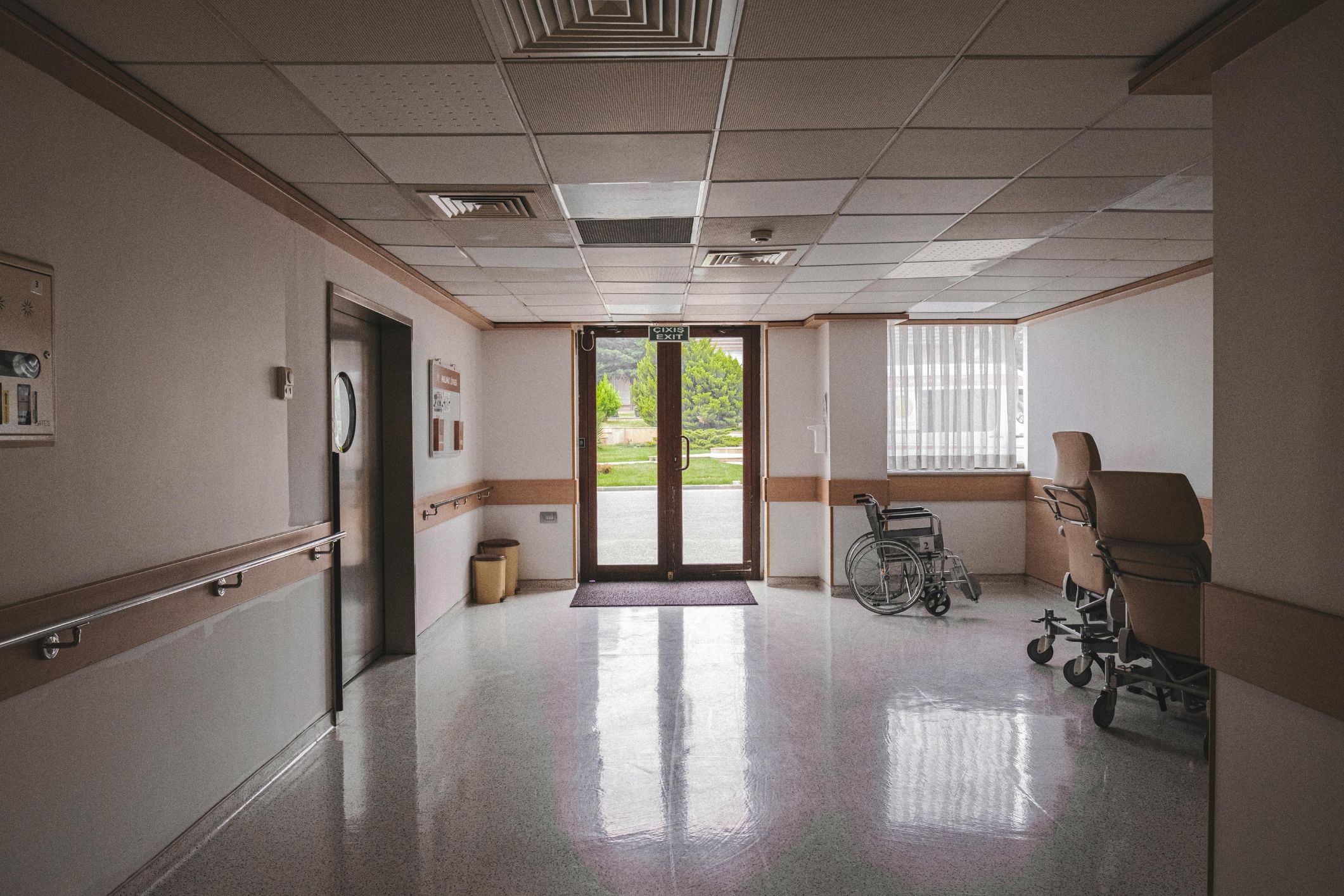
In a confronting example of Australia’s aged care crisis, a retired nurse caring full-time for her disabled husband says a hospital doctor advised her to abandon him at hospital in order to fast-track a long-overdue aged care assessment.
Kathleen Whelan, from Tahmoor in New South Wales, has been caring for her 79-year-old husband Alan, who suffers from progressive supranuclear palsy. The condition has left him reliant on a wheelchair, needing assistance with every daily task, from toileting and showering to simply moving between chairs.
Despite applying for an in-home aged care package in July 2023, the couple was left waiting over 15 months for any real assistance. Speaking to the ABC, Kathleen revealed that a doctor told her that leaving her husband in the hospital system was the only way to force an assessment to take place more quickly.
“I won’t do that because that’s wrong,” she said. “I just feel like we’ve worked all our lives and now I just feel abandoned by the government.”
Alan was eventually assessed as needing the highest level of care, but was still only marked as medium priority. As a result, they have continued to wait, unsupported, while his condition has worsened. A fall earlier this year left Alan with a spinal injury, rendering him completely dependent on a wheelchair.
The Whelans’ home is not suited to his level of need. They rely on a fold-out portable ramp, donated by a local butcher, to get Alan in and out of the house. Every use requires setting it up and packing it away again. Kathleen applied for funding to install a permanent ramp and other mobility supports, but has seen no movement from the system – until now.
Only after speaking publicly did any action begin. The government has since approved a permanent ramp and assessors are finally due to visit the Whelans’ home.
Kathleen said she feels ashamed that media pressure was what it took to get attention. “I think they don’t care about the people who get caught in between.”
The delays experienced by the Whelans are not isolated. According to the federal government’s latest data, nearly 88,000 older Australians are waiting for home care packages at their assessed level. Those deemed medium priority can wait up to 15 months for support to be delivered – assuming they live that long.
Advocates and experts have warned that some seniors are dying before help arrives. National Seniors Australia CEO Chris Grice says the wait should never exceed 30 days, and that the system is failing some of the country’s most vulnerable.
Federal Aged Care Minister Sam Rae acknowledged the shortcomings, admitting the current system is not functioning as intended. He pointed to upcoming reforms, with 80,000 packages set to be rolled out from November under the new Support at Home model.
“We’re ensuring that anyone assessed as high priority gets their package within a month,” Mr Rae said. “But I’m not saying this system is working the way I want it to.”
Opposition politicians and aged care advocates have slammed the delay in rolling out these reforms. Shadow Aged Care Minister Anne Ruston argued the packages should have been released months ago, as promised during the last election.
As for the Whelans, their story is a sobering reminder of what happens when people fall through the cracks. Kathleen, who has dedicated her life to nursing and to her husband, now finds herself pleading with the system she once worked within.
“I believe my husband will be dead before I get help,” she said.



Carers who support their loved one can sometimes do themselves a disservice. The person will be assessed as a lower priority because the carer is providing a high level of care. This leads to high levels of carer stress. Things get very complicated both physically and emotionally.
Sometimes, parents become very demanding, refusing to see the tole on the family, refusing home care, residential care or even respite – if it is even available.
I know of one family where one daughter worked ‘night shift’ for nearly a year, and after the parent died had to re-build her personal life which had become non existant. The other daughter covering the daytime care for her parent whilst also managing her family.