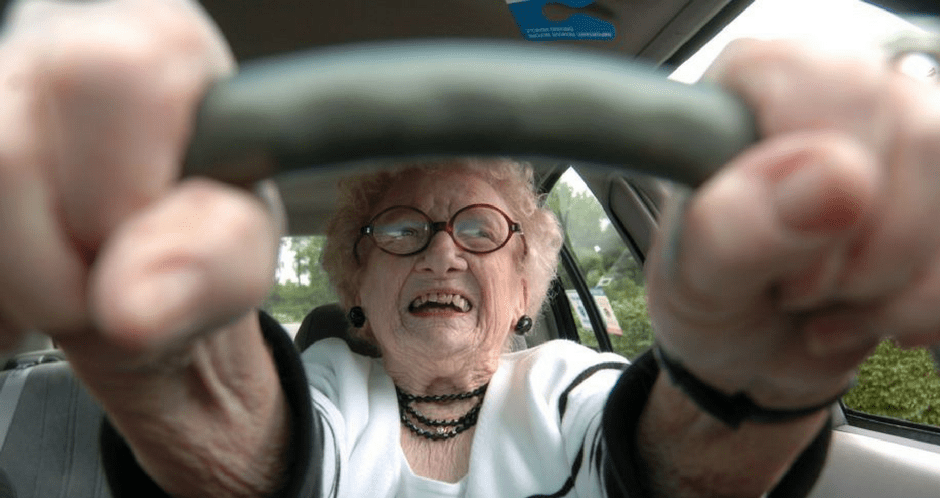
Driving is a big part of many people’s lives, especially in Australia. According to the Australian Bureau of Statistics, there were 8.4 million registered motor vehicles at the start of 2016. However as people get older, it can become a concern of their loved ones that it may not be safe for them to drive. If this is the case, what can you do?
It would be unfair to simply take a person’s car away from them just because they are getting older. You shouldn’t inhibit your loved one from driving if they have not given you reason to do so. That being said, you also shouldn’t wait for them to get into a serious accident before you take action.
What you can do is invite them for a drive – pick somewhere close and familiar, like the local shops, and see how they drive you there. If you notice that they are being unsafe or they get lost, note it down and discuss this with them later. It’s important that when discussing the topic of driving with the loved one you are concerned about, that you have got valid reasons for them to be concerned.
If you’re really worried about a loved one, it might be time to get them checked out by a professional. A number of things could be happening as they age, for example, their eyes may not be as good as they used to be and having impaired vision can cause harm to them and others on the road.
If they are getting lost or are having trouble remembering how to navigate to the destination, then maybe it’s worth screening to see if they are exhibiting symptoms of dementia. In addition, if you notice your loved one who already has a diagnosis of dementia symptoms getting worse then it’s important to raise this with them.
In accordance with VicRoads, you are required by law to report any serious or chronic medical condition or disability that could affect your fitness to drive. Dementia must be disclosed to VicRoads because it will affect your ability to drive safely.
*Please note this will vary from state to state
Just because concerns are raised to your General Practitioner or Specialist this does not mean they will automatically lose their licence. It’s up to the doctor’s discretion and the doctor may elect to have you loved one undergo an occupational therapy driving test. Which people can undertake to determine if any medical conditions and/or disabilities impact on their fitness to drive.
Talking about driving and the changes that can occur as you get older can be a very difficult conversation to have. You may find that the older person may instinctively respond defensively.
This is the time for you to tell them that you are concerned about their health which affects their ability to drive. Now is a good time to bring up any changes you’ve seen in their driving. Avoid having a big dramatic fight, or flat out banning them and confiscating their keys – rather, try to discuss the topic gently. This isn’t just a matter of your loved one’s safety, but also the safety of their passengers and other drivers on the road.
If a person can no longer drive they may suddenly feel as though they cannot go out and do things. For some people it can be a significant catalyst for decline due to the loss of independence.
Just because older people may not be able to drive, are still able to do other tasks for themselves. This is why you should keep encouraging them to go out.
Here are some recommendations and alternative forms of transportation;
This is important to do to ensure that the older person you care for doesn’t end up feeling socially isolated.
This won’t be an easy process, and realistically it may not be over in one conversation. You may need to talk to your loved one a few times before they accept that they can no longer be responsible to drive.
For the older person, it can be a big adjustment having their ability to drive or their car taken from them. Many of them will have been driving for decades and suddenly it will feel as though their independence has been taken from them. Give them space, and always offer to help if they do want to go anywhere. Just because they can’t drive, doesn’t mean they can’t go places.
<iframe src=”https://www.youtube.com/embed/7m_qGzqxpkg?ecver=2” width=”640″ height=”360″ frameborder=”0″ style=”position:absolute;width:100%;height:100%;left:0″ allowfullscreen></iframe>



5