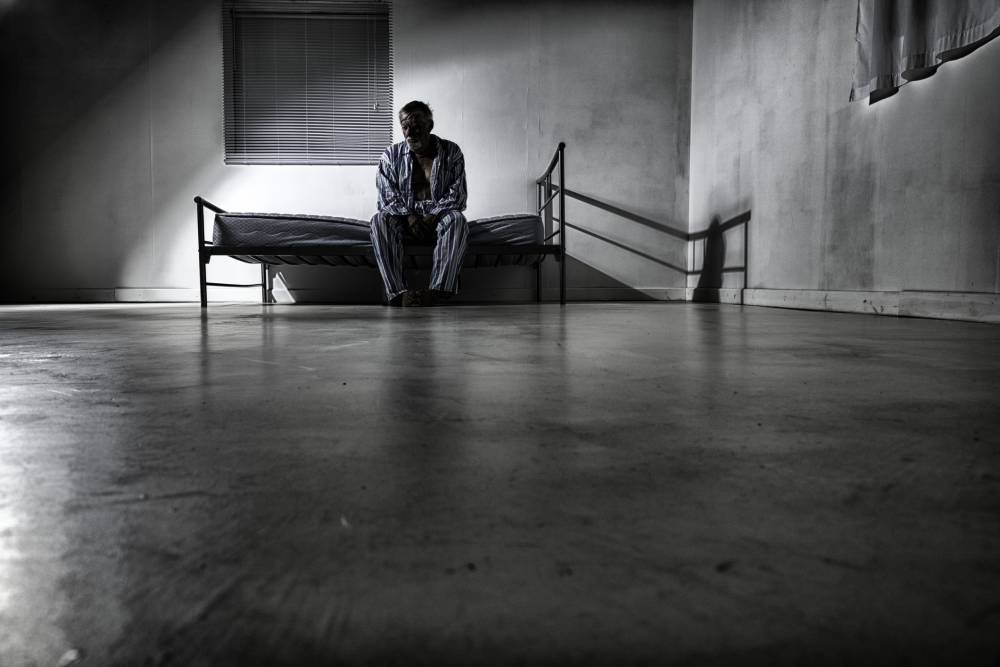
Decades worth of macho stigmatism and unfair social expectations have seen generations of male Australians forgo the opportunity to talk about problems, and opt for silence instead.
While notions like this might seem outdated in this day and age, sadly they are still far too prominent, and even though attitudes are changing, nowhere is this problem more prevalent than in elderly males.
Believe it or not, men over the age of 85 have the highest suicide rate in Australia, and these deaths are not all the result of men who were dealing with mental illness.
This tragedy targets the everyday men who feel worthless and undervalued by a society they once played a significant part in.
On a personal note, my grandfather actually took his own life before I had a chance to get to know him, but to be honest I thought that his suicide must have been a rare occurrence.
The fact that elderly men having the highest rate of suicide in the country is not common knowledge, indicates that it is not regarded as an issue of importance.
When speaking with a mental health peak body, HelloCare was shocked to learn that suicide in older men is not funded as a priority action area in Australia.
It is clear that as a society we still have a lot of work to do in shifting attitudes and reframing the value we place on issues affecting older people in our country.
A lot of these elderly men were once the breadwinners and providers for their entire family, and now find themselves retired and feeling worthless after investing a lifetime in a career.
In years gone by, people didn’t have the level of connectivity and social interaction that many of us enjoy today. So, for some of these men, their wives or partners were basically their entire social network.
While older women are also susceptible to similar feelings of social isolation, they are more inclined to voice these problems with other residents or aged care workers than men are.
Internalising these feelings out of habit, or because of the heartbreaking fact that they might have nobody to share their thoughts with, has horrific emotional consequences.
And sadly, no one seems to want to talk about it.
People need to begin to look inwards and stop looking at an elderly person as a burden or a hindrance to their lifestyle of choice.
While it’s understandable that a number of families are unable to care for elderly loved ones in their own homes for a variety of reasons, dropping by to visit a loved one in a facility regularly will allow them to feel valued and for you to remain connected with them.
If this is also not an option, the simple act of a regular phone call is better than the feelings of hopelessness and abandonment that come with being isolated from your family.
And it’s hard to feel that you’re a valued member of society when the lack of contact from loved ones is making you feel that you aren’t even valued by your own family.
We as a society have to ask ourselves whether we want to appear as though we care about our elderly, or whether we are actually willing to do what it takes to ensure that they feel valued.
September 10 is World Suicide Prevention Day.
If you or someone you know is in need of support, please contact Lifeline on 13 11 44 or visit www.lifeline.org.au.
The person/persons depicted in the image above are in no way associated with the events or subject matters of this story.



Andrew Denton contacted the National Coronial Inquiry Service to see if they could give me a sense of the national picture. Their estimate: that two people over the age of 80 are taking their lives in Australia every week.The most common method used? Hanging. https://www.wheelercentre.com/notes/an-argument-for-assisted-dying-in-australia-andrew-denton-s-di-gribble-argument-in-full
Today being RUOK day is about everybody, every single person regardless of age in our communities. Sarah Russell thankyou for drawing attention to the fact of the alarming rate of suicides in over 80yr old people. We all need to hear it no matter how disturbing .RUOK day is about putting this on everyone’s radar and in our communities (villages)and it does include and effecting older people . Older People in our villages . Thanks Jakob Neeland and Hello Care.