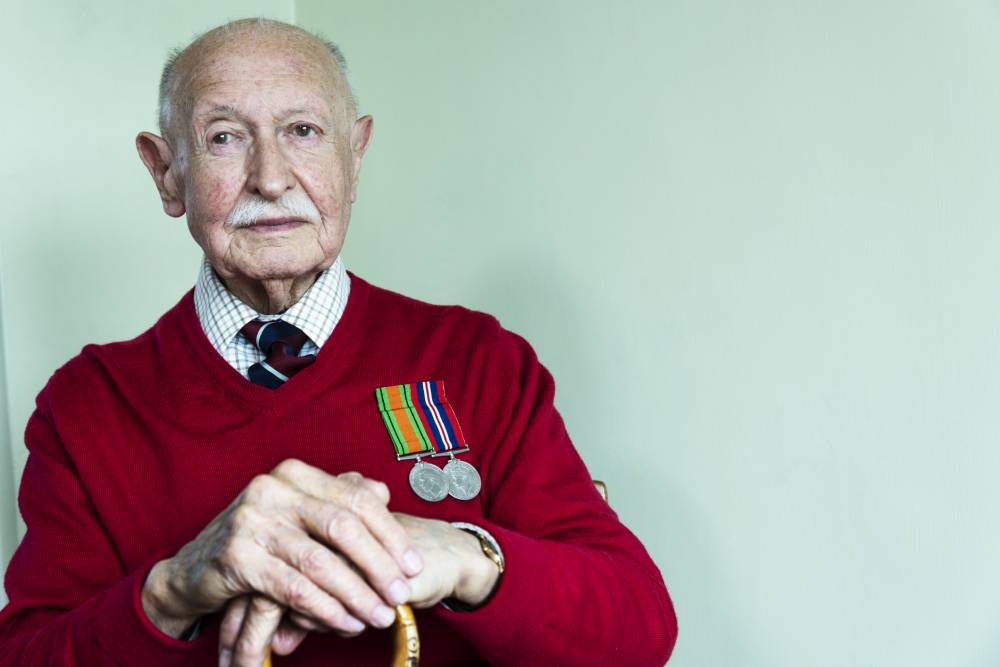
These proud old men and women who gave so much for Australia, are quietly fading away before our eyes.
For many living veterans memories of the days gone by still haunting them. Some still unable to speak or bring themselves to relive the torment of the Japanese or Germans in World War II.
It is the elderly veteran community that forms a very important minority of older Australians.
And whilst our World War II Veterans are diminishing in numbers, the Vietnam Veterans are beginning to need some form of care.
The mental health of the Vietnam War Veterans has been documented extensively over the last few decades and has helped informed our current understanding on war related mental health disorders, in particular post-traumatic stress disorder (PTSD).
An emerging issue for Vietnam War veterans is their increased risk for dementia along with other mental health conditions such as alcohol and substance abuse, autoimmune disease and cardiovascular disease. These conditions have been found to be linked to PTSD.
These are all emerging health concerns that many people working in health care and aged care services need to be prepared for; through education, awareness and training.
And whilst we are all at risk of health problems as we age, the Veteran community have a number of other health and wellbeing issues specific to them.
These include:
Senior care provider Bolton Clark supports a significant number of the Veteran population (35,000 Veteran clients) every year has made holistic support for Veterans a focus for its Bolton Clarke Research Institute.
Stephen Muggleton, CEO of the organisation said “support services needed to expand and adapt to respond to challenges including a growing proportion of ageing ex-service personnel and a cohort of younger working age Veterans transitioning into the community”.
“One of the important things we know is that the experience of service, and the difficult transition back into civilian life, has lasting effects for more than just the individual,” Mr Muggleton said.
“Research also tells us that internationally, the way we are deploying resources to help Veterans is inefficient and for some people, ineffective.
“For example, it’s estimated up to 17 per cent of former service men and women will experience Post Traumatic Stress Disorder, and recent findings suggest there is a link between PTSD and dementia.
“Service-related mental health issues may not become apparent or not come to a head until later in life, and may be triggered by a life event or stressors.
“The work the Institute has been doing, informed by broad consultation, is around assisting with transitions to ensure people get early intervention support, while also equipping families and aged care workers to deal with the specific care needs of Veteran clients that emerge as they age.”
On a practical level, the organisation’s recent projects to provide social support for Veterans include a series of 10 conversation circles during Anzac week that bring young ex-service personnel from Veteran support not-for-profit Mates for Mates together with clients and residents across the organisation to share stories and experiences.
This is the third year of the collaboration, which aims to provide important social support and build community connections, as well as creating a stronger understanding of Bolton Clarke’s Veteran roots.
The Bolton Clarke Research Institute’s new Veteran Family Toolkit will be launched later this year and will support health professionals, families and carers with information on PTSD, accessing help and Veteran and family perspectives.
Bolton Clarke also operates dedicated Veteran and Legacy Navigator services to provide Veterans and war widows with information and guidance through the aged care system.


