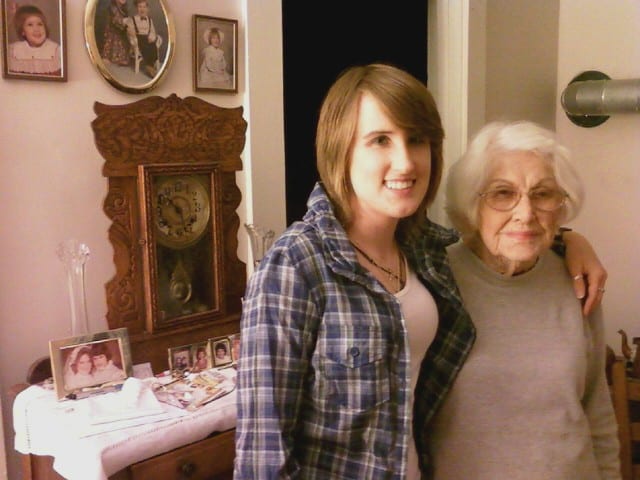
When caring for another person – whether it be your elderly father, frail grandmother or a resident in aged care – the priority tends to be the other person.
Which is completely understandable, they are in need of help and you can offer them the help they need.
Most carers will tell you that it is an honour to care for the elderly, and that it’s an incredibly rewarding experience.
But in such a giving and selfless act, a caregiver can often overlook a very important person in the care process – themselves.
In all the hustle and bustle of making sure the elderly person is okay, they can often forget to look after their own physical and emotional well being.
One of the struggles that many caregivers deal with is the feeling that stepping back and looking after themselves first is “selfish”.
The Dalai Lama once said about compassion;
“For someone to develop genuine compassion towards others, first she or he must have a basis upon which to cultivate compassion, and that basis is the ability to connect to one’s feelings and tocare for one’s own welfare…Caring for others requires caring for oneself.”
There is an obvious connection between a carer’s well being and the quality of care they offer.
And when you don’t practice self-care, it can lead to occupational stress, burnout, and compassion fatigue. In a professional setting it those symptoms often leads to workforce turnover and staff shortages.
So how can you practice self-care? It’s more than just simply doing an activity to distract you from stress, or taking a “mental health” day.
Self-care in an active process that people need to adopts in their day to day lives, and it’s different for each person. What self-care practices work for one person, may do nothing for another.
The first step is to acknowledge the risk of burnout and compassion fatigue and then to actively seek out resources and strategies that help to avoid falling into the trap.
In nursing, one of the first things you do is assess the patient. See what’s wrong and how bad things are. In self-care, it’s suggested that you look internally and see what activities give you joy and what drain you. What have you been doing for “you”?
The next step is a diagnosis. You don’t need to be trained or qualified to diagnose your own self-care deficit. You simply need to be honest with yourself about your own capabilities. But admitting you need support or a little time off does not make you weak.
Once a diagnosis is made, the next step is treatment. How will you self-care for yourself? Will it be exercise? Eating healthy? Or spending more time with your family or hobbies you love? Is it time to consider seeing a counsellor? Planning is key. It may seem like a challenge at first when you’re busy work or caring for others, but try to schedule time something that can help you.
This step is crucial. It’s one thing to plan to take a day off, have dinner with the family, go to church more, but none of those things will actually benefit you until you actually try it. Sure, life and work can get in the way but remember you are doing a disservice to the people you care for if you don’t follow your plan. Start with small steps.
When you’re sick, it’s not uncommon to go back to the doctor for a follow-up appointment. Make sure you give yourself that follow up. See how much progress you have made. And if you find you haven’t come as far as you would like, try another approach.
As one research paper states;
Self-care is not selfish. For the wellbeing and congruence of [caregivers] – as educators and health promotion advocates – it is essential. Similarly, self-compassion is not narcissistic. Rather, it is a foundation for compassionate care.
What do you have to say? Comment, share and like below.


