Jul 15, 2025

Fact or fiction: Are aged care staff allowed to cut residents’ nails?

Fact or fiction: Are aged care staff allowed to cut residents’ nails?
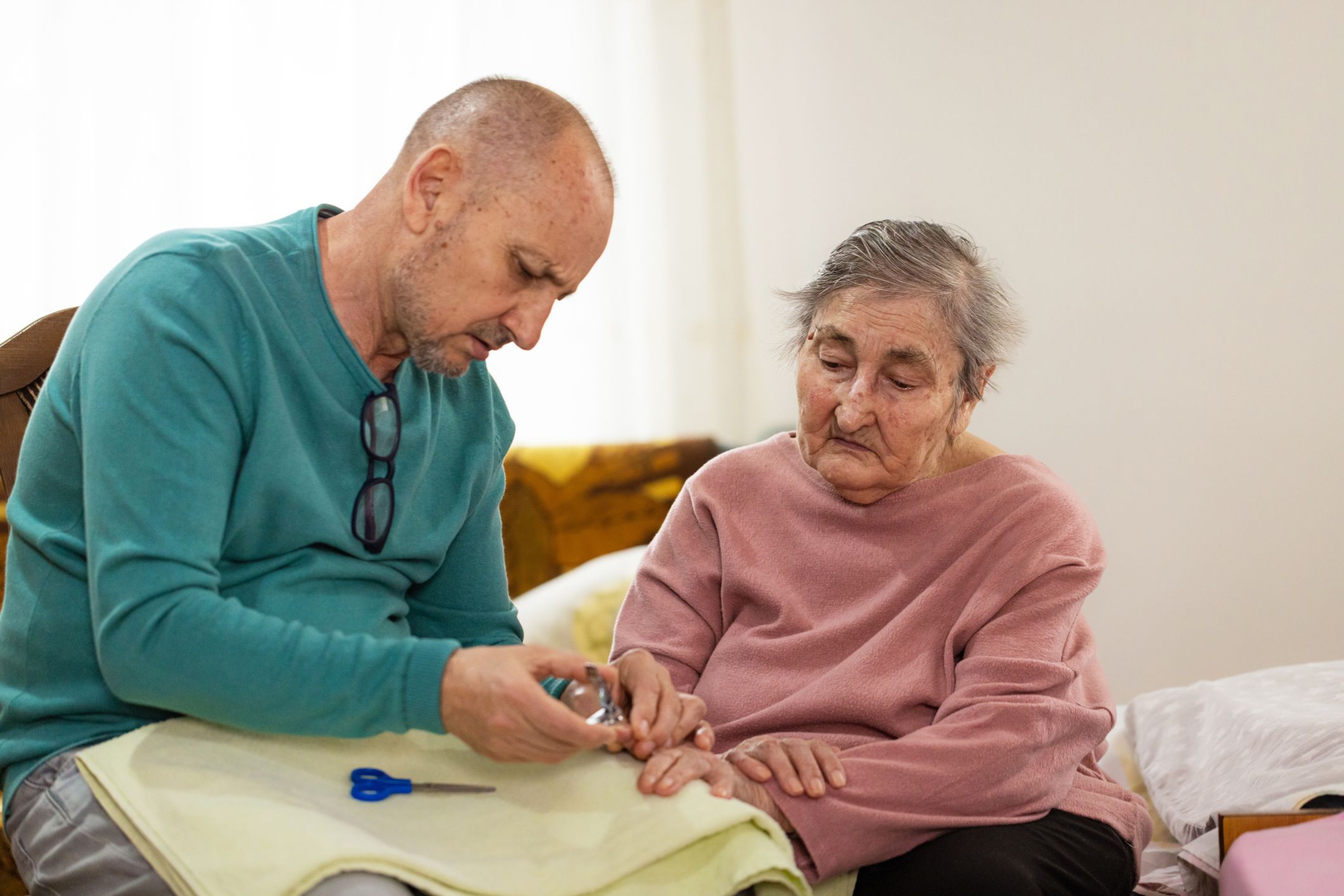
Frustrated you can’t trim your loved one’s nails in aged care? It’s about safety, not red tape. [iStock]

It’s a question that echoes through staff rooms and tugs at the hearts of worried families: “Are aged care staff even allowed to cut a resident’s nails?”

Some facilities give a cautious nod, provided staff are trained, while others slam the door shut, banning scissors or clippers in the hands of personal care workers. So, what’s the real deal? Is this a legal barrier, a clinical safeguard, or just a myth that’s grown legs?

What is the law?

There’s no explicit legislation in the Aged Care Act 1997 or the Aged Care Quality Standards (as outlined by the Australian Aged Care Quality and Safety Commission) that slaps a ban on aged care staff trimming residents’ nails.

The Quality of Care Principles 2014, which govern clinical care, stress safe and high-quality care but don’t single out nail care. Instead, decisions hinge on:

  • Duty of care: Providers must shield residents from avoidable harm.
  • Scope of practice: Personal care assistants (PCAs), enrolled nurses (ENs), and registered nurses (RNs) have defined roles, and nail care may fall outside a PCA’s remit in some facilities.
  • Workplace policies: Individual aged care providers craft clinical governance protocols based on risk management, staff training, and resident health needs.

In short: nail trimming isn’t against the law, but it may be fenced off by a facility’s policies or clinical risk assessments, especially for high-risk residents.

Why the nail-trimming nerves?

Aged care providers often tread carefully around nail trimming due to real clinical and safety concerns, particularly for older adults with complex health needs. The risks are no small matter:

  • Skin tears or cuts: Elderly residents often have delicate, paper-thin skin, making injuries more likely, especially when trimming toenails.
  • Infection threats: Non-sterile tools or accidental nicks can spark infections, a serious danger for residents with weakened immune systems.
  • Hidden health woes: Conditions like diabetes, peripheral vascular disease, or neuropathy can conceal issues such as fungal infections, ingrown nails, or ulcerations. Mishandled nail care can worsen these.
  • Legal tightrope: If a staff member’s slip leads to harm (e.g., a cut causing infection), it could trigger a clinical incident report, potentially escalating to legal or regulatory headaches.

Because of these risks, many providers restrict nail care – especially toenails – to registered nurses, podiatrists, or specially trained staff.

The Royal Australian College of General Practitioners (RACGP) Standards for General Practices (5th edition) underscore the need for sterile equipment and trained professionals for procedures involving skin, a principle many aged care homes apply to nail care.

Crafting the gold standard

Best practice in aged care nail trimming strikes a balance between resident comfort, safety, and clinical rigour. Here’s what it looks like:

  • Fingernail finesse: Personal care assistants or lifestyle staff may be allowed to clean, file, or trim fingernails, provided they:
    • Have training in safe nail care techniques.
    • Use sterile or single-use tools to prevent infection.
    • Steer clear of high-risk residents, such as those with diabetes, poor circulation, or fragile skin.
  • Toenail territory: This is often reserved for registered nurses or podiatrists due to heightened risks, especially for residents with diabetes or vascular issues. The Australian Podiatry Association advocates regular podiatry assessments to manage foot health holistically.
  • Sterility and paperwork: Facilities often mandate sterile or single-use clippers and thorough documentation to ensure accountability and infection control compliance.
  • Policy patchwork: Practices vary widely. Some homes weave nail care into routine grooming, while others funnel all cases to external podiatrists.

Staff must always follow their organisation’s clinical governance protocols and check with supervisors when in doubt.

Easing family frustrations

Families often feel a pang of frustration when told they can’t trim their loved one’s nails, especially if it’s a cherished ritual they’ve done for years.

Yet, aged care staff are juggling a complex web of risk management, scope of practice, and compliance with the Aged Care Quality Standards, particularly Standard 3 (Personal Care and Clinical Care), which prioritises safe and effective care.

To smooth the tension, best practice includes:

  • Open conversations: Explain the ‘why’ behind restrictions, focusing on resident safety.
  • Informed consent: If families want to trim nails themselves, facilities may allow this with signed consent and clear guidelines to reduce risks.
  • Holistic care plans: Many homes now schedule regular podiatry visits or bundle nail care into grooming services to meet residents’ needs professionally.

Digging deeper: insights from the field

A 2023 report by the Aged Care Quality and Safety Commission highlighted that clinical governance in aged care has grown increasingly cautious following the 2021 Royal Commission into Aged Care Quality and Safety. This has prompted tighter policies around tasks like nail care, which, though small, can have big health implications.

A 2022 study in the Australasian Journal on Ageing found that improper foot care, including nail trimming, contributed to 15% of preventable infections among aged care residents with diabetes.

Posts in online forums also reveal lively debates among aged care workers. Some call for better training to empower PCAs to handle basic nail care safely, while others argue podiatry referrals are more cost-effective and reduce liability.

These discussions highlight the patchwork of practices across Australia’s aged care sector.

Leave a Reply

Your email address will not be published. Required fields are marked *

  1. I am now totally confused and upset, reading all the reasons above as to why people who have some training cannot cut finger nails yet you can go to you local nail care shop and get it done by a non qualified person who will do it without a flinch, sounds to me patient no are and professional Ass covering.

Advertisement
Advertisement
Advertisement

Tied to a Chair for 12 Hours a Day: Abuse in Queensland Nursing Home

Everyone once in a while, a story of abuse comes out that is almost too horrific to believe. A resident from a Queensland nursing home has been rescued after it was discovered that she was tied to a chair for 12 hours a day. The woman who is reported to have down syndrome, would fight... Read More

Health funds call for urgent action to crack down on inflated specialist doctor fees

A shocking new survey reveals 1 in 5 Australians are skipping appointments with psychiatrists and obstertricians due to some specialists charging over $950 per visit. Should the Government step in to stop surprise medical bills? Read More

How can we keep aged care workers safe from harm?

There is a growing awareness of the safety risks that nurses, including aged care workers, face in the workplace. WorkSafe Victoria recently reported that up to 95% of healthcare workers had experienced a verbal or physical assault while at work. A global study by the International Council of Nurses said nurses are more likely to... Read More
Advertisement
