The family of celebrated Australian journalist and television presenter George Negus have shared a heartbreaking update about the progression of his Alzheimer’s disease.
George, now aged 82, was a pioneer of Australian television. He started off in print journalism with a keen eye for politics before rising to national acclaim with This Day Tonight, a current affairs show on the ABC in the 1960s and 70s.
He was a founding correspondent for 60 Minutes while stints with Dateline, The Project and his own show 6.30 with George Negus meant he remained a familiar face with modern viewers in the 2000s.
George was officially diagnosed with Alzheimer’s disease in 2021, and by February 2022 it was revealed he had moved into a Sydney residential aged care home.
Following the initial announcement his family said: “We are sharing the new path we walk as George faces the realities of his diagnosis of dementia from Alzheimer’s disease.
“We continue to share wonderful family times and are grateful for the care and support we have had from extended family and friends over the past few years who understand our challenges.
“George continues to give and receive the love and respect of us all. We appreciate all the good wishes from near and far at this time.”
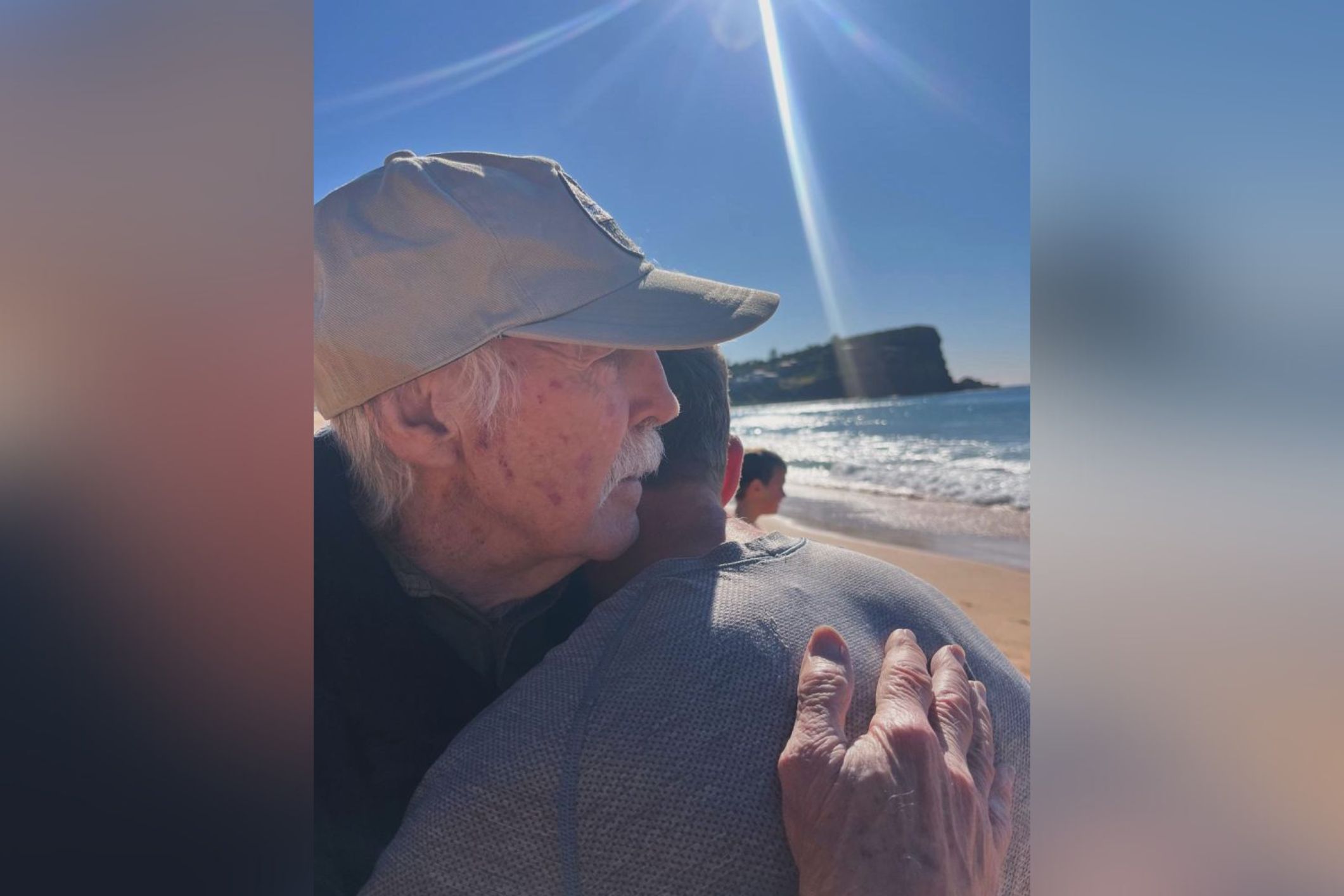
Now, his son Ned shared a rare update about his beloved father after a family outing to the beach.
“I was hesitant to post this on LinkedIn, as it’s pretty personal. But then realised you’re all humans and there’s always a place for sharing human realities with your professional network,” Ned wrote.
“For those of you who don’t know, my dad was diagnosed with Alzheimer’s around five years ago. He’s now non verbal most of the time (mindblowing 🤯 for me but also any of you that know him).
“Today is Father’s Day in Australia and we had a walk on the beach together. He was clearly not sure why this particular walk was symbolic and sometimes not sure with whom he was walking.
“At one point we stopped, he smiled broadly and then hugged me for quite some time.
“It was sad, but it was uplifting to know that even when you can no longer say what you feel, you can still DO what you feel. Love you Negsy.”
George’s wife, Kirsty – an acclaimed journalist and documentary filmmaker – captured the touching photo of George and Ned.
“[Mum] is by his side most days helping him through, helping him remember (even the slightest thing) and feel. Massive shout out to her too,” Ned wrote.
In a follow up comment, Ned said he had “no idea” how much the post would resonate with others, thanking them for their messages of support.



How beautiful. Especially that you can appreciate how difficult this is for your Dad & Mother. I (like most people have or will) had the experience of my husband, my mother, & my dearest friend. I have been surprised at the lack of compassion or empathy from siblings & children, toward their kind, loving, generous parents. All because of loss of speech and that they cannot fìnnd memories and words – so seem unable to recognise people. But their heart knows who you are. The son of the wonderful George Negus; a chip off the old block.