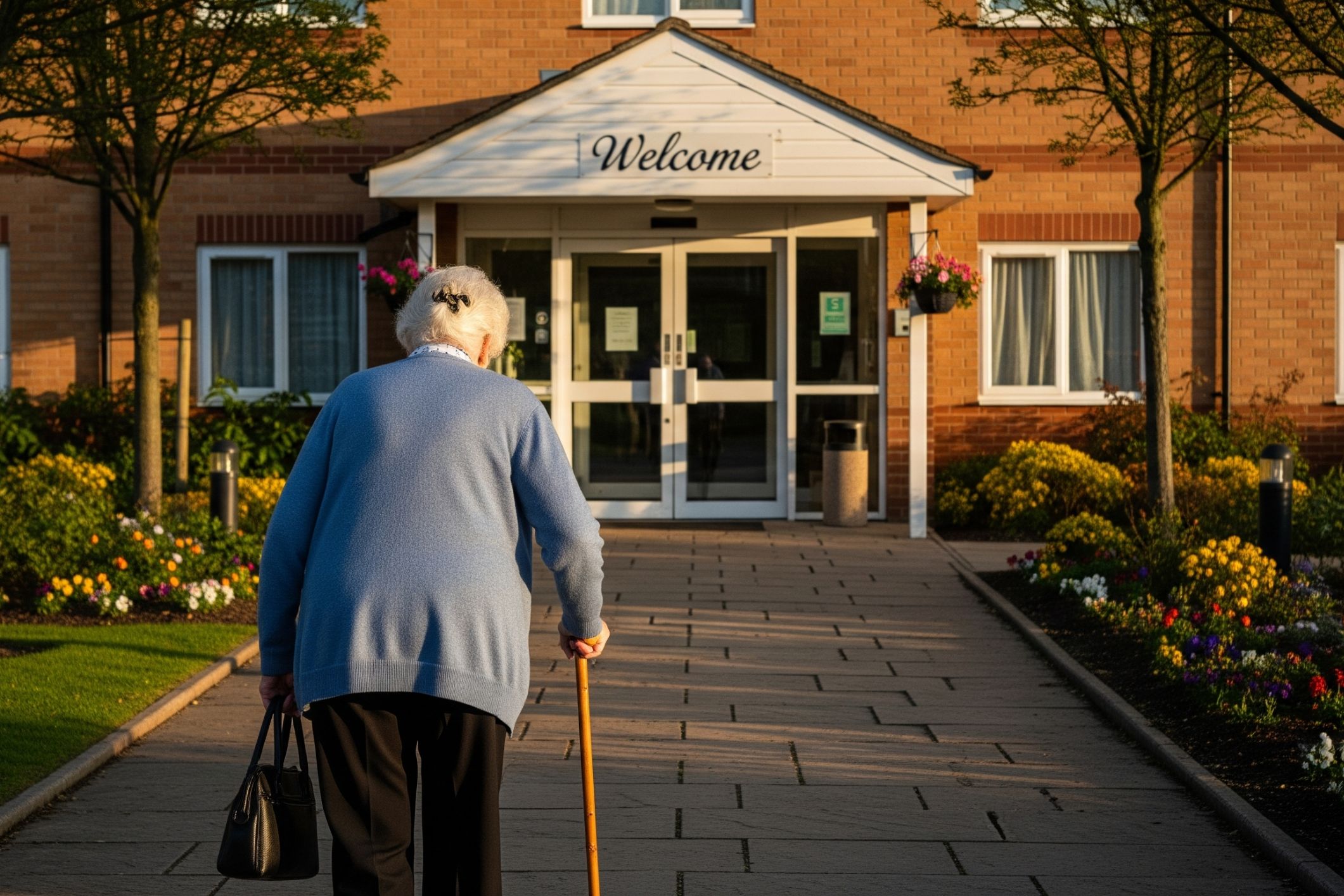
The journey into residential care is often a challenging and emotional experience. For many, it feels like walking into an unknown world filled with unfamiliar faces, strange routines and an environment lacking the comforts of home. This transition can be particularly daunting for individuals living with dementia, whose sense of security and wellbeing is deeply rooted in familiar surroundings and trusted companions.
The move from the consistent familiarity of their own home to a communal space, where the walls and faces are unrecognisable, can heighten feelings of confusion and anxiety. The stark reality of sharing a house with people they have never met in a place that feels strange and foreign adds an extra layer of complexity to an already complicated adjustment process.
I first encountered Joan during my initial assignment to provide one-on-one support shortly after she arrived at the residential care facility. From the very beginning, it was clear that Joan was a formidable spirit, grappling with an early diagnosis of dementia. She was deeply unsettled about her new surroundings, adamantly insisting she would not stay there.
Her eyes, filled with anger and determination, revealed her fear that her daughter might sell her cherished home without her consent or knowledge. This sense of impending loss weighed heavily on her, adding to her distress as she navigated the unfamiliar environment of the care home.
I quietly sat beside her, introducing myself and affirming all her concerns, diverting the conversation to where she was originally from. By coincidence, she had once lived in a suburb of London called Carshalton, two streets from where I had lived. We immediately connected and chatted for hours about life back in the UK.
Joan had seen me drive into the car park and insisted I take her home. I had to think quickly and said that my wife was working the night shift and would need the car later. This response calmed the conversation for a moment, with Joan repeating that I should wake her if she fell asleep so I could take her home.
After a few cups of tea and a chat about life in Carshalton, Joan began to relax. In these situations, it’s important to think quickly and respond positively, which can be challenging at times. I gained her trust by helping her feel safe, which allowed us to build a strong relationship.
Eventually, she agreed to get ready for bed, and I accompanied her to her room, constantly reassuring her that I would be there the next day. Luckily, I was on duty the following day and could continue the support mechanism she needed.
Joan’s situation is not uncommon; she faced a fight-or-flight dilemma and was a feisty, strong-willed woman who knew what she wanted.
As the days and weeks passed by, we bonded over shared laughter and jokes. Joan’s trust in staff members grew, and she began assisting residents with tasks like making tea and accompanying them to and from the lounge and dining room. Joan thrived in the spotlight, seeing herself as an integral part of the care team.
Moving into residential aged care can be daunting, as people worry about feeling lonely and forgotten. The transition can take weeks or months, but with compassion and empathy, they can lead a valued and fulfilled life.
For Joan, she led a fruitful and contented existence in the last place she called home until she passed away in her sleep after a day full of activity, celebrating a fellow resident’s 100th birthday.
The journey towards transitioning into residential care is a delicate process that requires a holistic approach. It involves a deep understanding of the individual’s needs and the provision of compassionate support. With patience and kindness, this journey can lead to acceptance and comfort for everyone involved.



Lovely story of Joan and your kindness and compassion shine through Michael. Joan must have been so happy to have met you. Xx
Beautiful story Michael. You made Joan feel heard and accepted for who she was, and helped bring joy and fun to the last stage of her life, a gift that is priceless. Congratulations on being there for Joan and for sharing Joan’s story with us.