Grants now open to support social connections among older Queenslanders

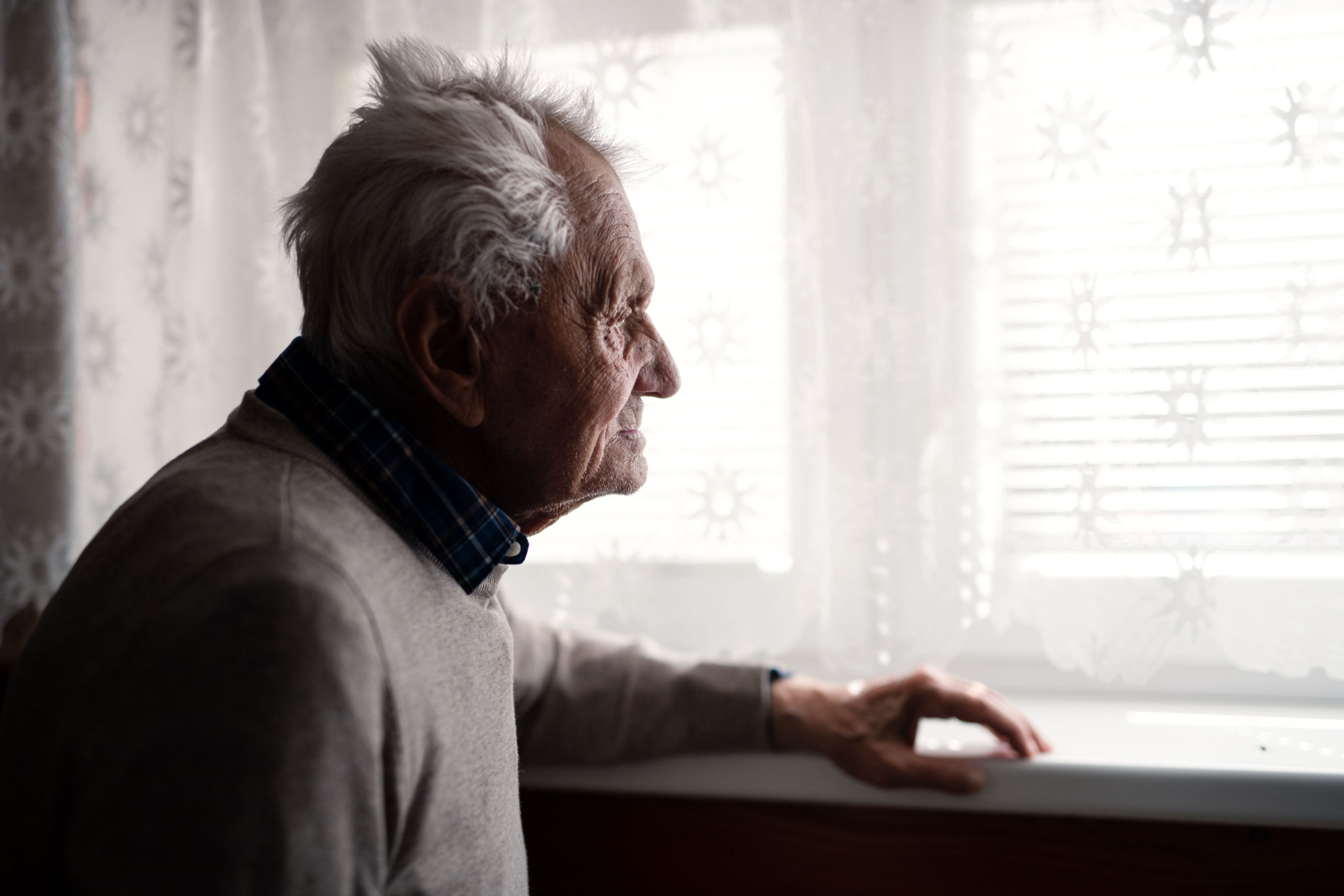
Queensland’s population of older people is growing, especially in regional and rural communities. [Source: Shutterstock]

Key points:

  • Organisations are invited to apply for grants that strengthen older Queenslanders’ social connections to each other and to their community
  • A total of $12.5 million funding is available over five years from 2024–25
  • Last year 79,000 older Queenslanders across 25 Local Government areas engaged in Senior Social Isolation Services funded programs

Applications are now open for organisations across the State of Queensland to apply for grants to prevent social isolation among older people.

Organisations of all sizes that can help older people aged 60 years and over and First Nations peoples aged 50 years and over to feel more connected, supported and active within their communities are encouraged to apply.

Funding is also available for an organisation to act as a peak body to coordinate the Seniors Social Isolation Program and provide advice to the Government.

Applications are particularly sought from organisations in places where limited services are available for older Queenslanders to improve social connections, and from community-controlled organisations supporting Aboriginal and Torres Strait Islander older peoples across the State.

Social isolation among older people can profoundly impact their emotional, mental and physical well-being. It can lower a person’s quality of life, increase feelings of loneliness and worsen existing health conditions.

Queensland Minister for Seniors, Charis Mullen, said she was honoured to join older Queenslanders on the Gold Coast this month to see the benefits of the program first-hand.

“I know many of the organisations that may apply will be small not-for-profit operations, often run by volunteers and well established in their communities,” she said. 

There are two grant rounds:

  • $2.25 million annually between 2024–25 and 2028–29 to increase Seniors Social Isolation Services across Queensland, with applications open from 23 February 2024 to 22 March 2024
  • $250,000 annually between 2024–25 and 2028–29 to establish a peak body service to provide leadership, advice and support to Seniors Social Isolation Services, with applications open from 23 February 2024 to 15 March 2024

The new funding is in addition to an existing $20.5 million investment over five years that currently supports 42 existing providers of Seniors Social Isolation Services across 25 Queensland Local Government areas.

For further information on social isolation programs for older people or to apply for a grant, visit the Queensland State Government website here.  

Leave a Reply

Your email address will not be published. Required fields are marked *

Advertisement
Advertisement
Advertisement

“The level of staffing in residential aged care in Australia is substandard”

I have read with interest late last week the very freshly released Royal Commission research paper into aged care staffing requirements, and the shortfall in funding needed to raise the staffing mix and levels to appropriately care for the average residential aged care service consumer. The following excerpt from the recommendations paints a picture of... Read More

Report into COVID-19 outbreaks at St Basil’s and Epping Gardens highlights what went wrong

In July and August 2020, Victoria experienced a second wave of COVID-19 infections, at a scale which had never been seen in Australia. It directly affected more than 2,000 aged care residents and 2,200 aged care workers. The Australian Government commissioned an independent review into the COVID-19 outbreaks at St Basil’s Home for the Aged... Read More

What is Delirium in the Elderly?

Delirium in the elderly displays a lot of the same symptoms as dementia, however the time course and pattern of symptoms differ. Delirium and dementia are both disorders that impact cognition. As a result of the similarities, delirium may go unrecognised for people with dementia – even by healthcare professionals. Also sometimes people may get... Read More
Advertisement
Exit mobile version
