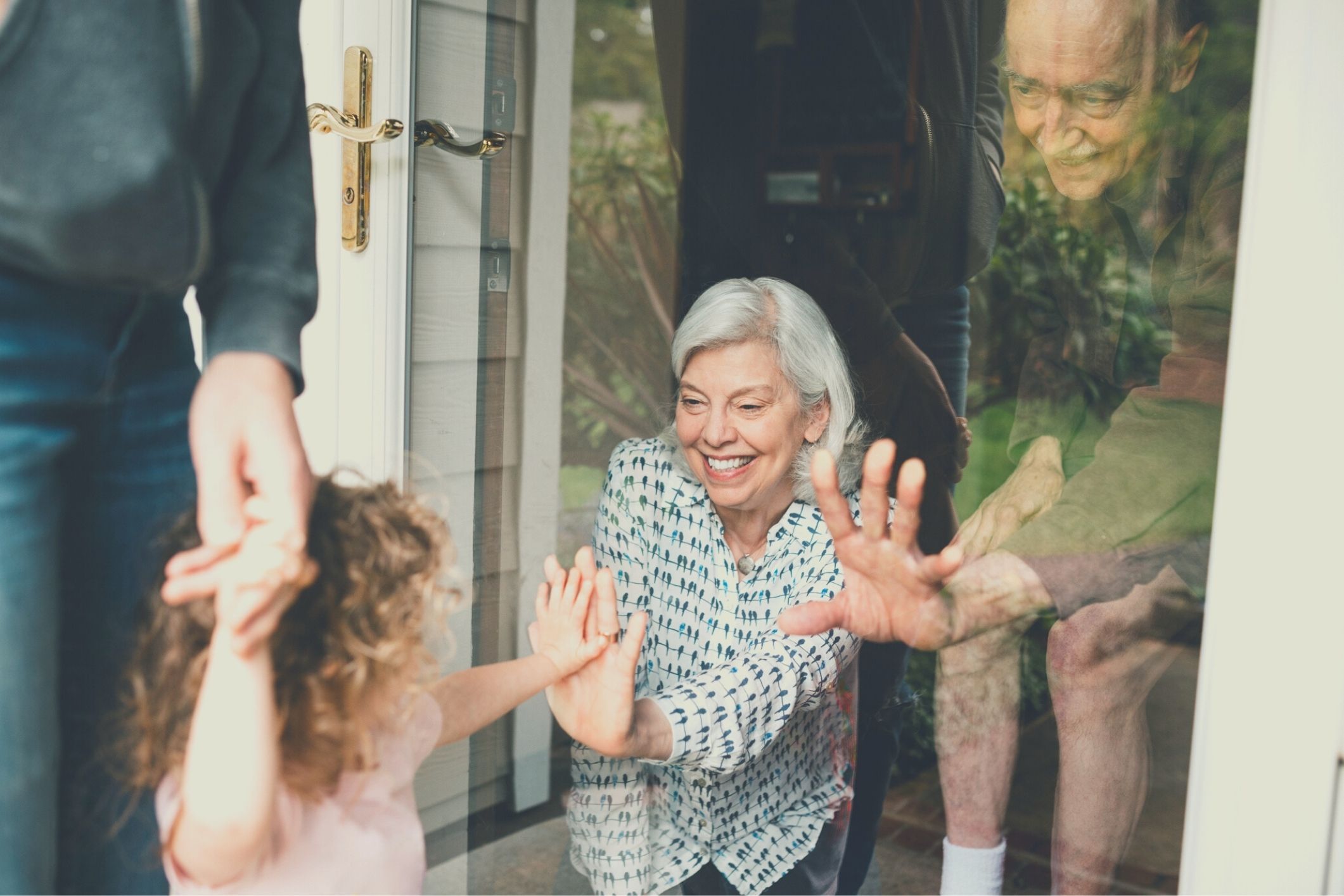
Dementia Australia Acting CEO Anthony Boffa said people living with dementia are some of the most vulnerable people in our community during the COVID-19 pandemic.
“Ramping up the focus on engagement and communication at this time of restricted physical contact is vital for all of us, but especially for people living with dementia,” Mr Boffa said.
“If stimulus is reduced for people living with dementia the loss of cognitive function can escalate.
“Over time these are losses that most people will not be able to regain.
“Being aware that your cognitive abilities may ‘slip away’, as one client described it, is a profound concern.”
People living with dementia, their families and carers have told Dementia Australia that some residential aged care facilities have not been able to offer appropriate alternatives to essential visits and this has resulted in poor physical and psychological outcomes for residents with dementia [1].
Mr Boffa said it is crucial that all those working in aged care, especially in Victoria and New South Wales, are extra vigilant in providing care for people living with dementia to protect them from the risk of COVID-19 and social isolation.
“During this time, the aged care sector is under increasing stress. For those impacted by dementia, there will be an added layer of anxiety,” Mr Boffa said.
“With recent data suggesting that just over two-thirds of all people living in residential aged care have moderate to severe cognitive impairment, this must be adequately addressed.
“It is vital that people who provide essential care to loved ones with dementia are not excluded from giving care at this time.
“People living in residential aged care have the right to assistance to stay connected with their loved ones, even when visitor restrictions are in place.
“We encourage staff to involve families wherever they can to actively plan for different forms of engagement and methods of communication.



Again I state the crucial role the allied health profession of Diversional and Recreation Therapy. It is this profession that promotes Diversional and Recreation therapist ( degree qualified) and leisure and lifestyle staff ( cert 4 and diploma trained) to enhance choice dignity, social connectedness by providing leisure and recreation activities , outings, connection to community and religious groups. Our profession supports and programs activities to support social, cultural , emotional , physical and cognitive well being while encouraging dignity and individual choice in how they spend their time. Ensuring all residential aged care services have appropriate qualified staff , resources and hours over 7 days will assist in maintaining residents social connections , cognitive abilities , emotional support whilst minimising falls, use of medication restraint and assisting in meeting g unmet needs.
Diversional and Recreation Therapy Australia