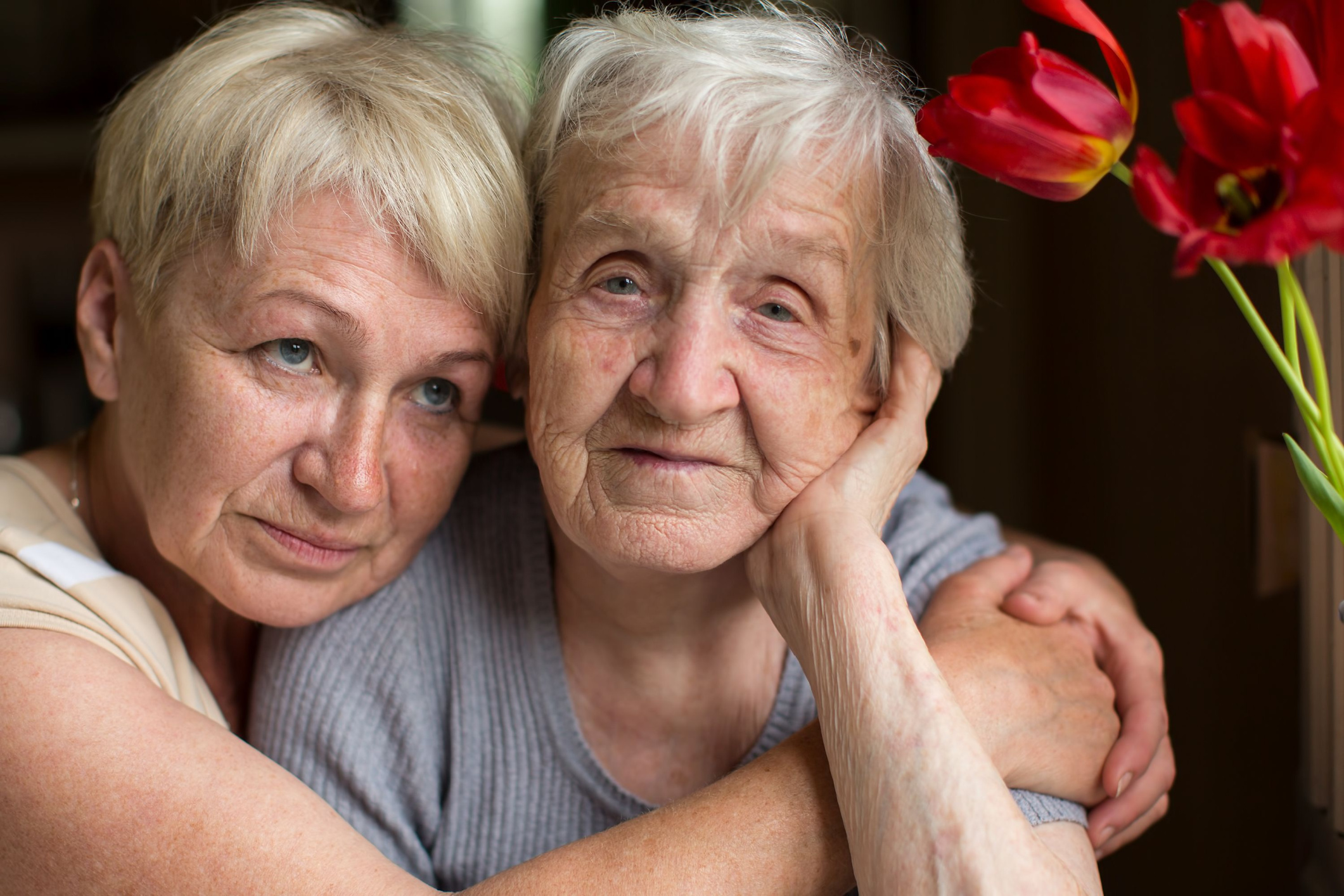
Informal carers feel less satisfied with their access to carer support compared to professional carers and are reporting record lows in personal well-being and mental health, a survey has found.
Australian Unity has released its latest Well-being Index survey report in partnership with Deakin University which found Australians remain extremely dissatisfied with their lives overall but informal carers are experiencing particularly high levels of mental distress, particularly those providing informal care for more than 20 hours per week.
Conducted in June 2023, the survey measured the subjective well-being of over 2,000 Australians aged 18 to 97 against a series of national and personal life areas, including the economy, health, and community connectedness.
On the National Well-being Index, scores for most life areas remained at the lower end of the normal range. However, economic satisfaction recorded a sharp drop to its lowest level in 22 years – worse than that recorded during the Global Financial Crisis in 2008.
Those aged 55 years and under and those with a household income of $100,000 or less recorded notably lower personal well-being than older adults and those with higher household incomes, respectively. These same age and income divides were also seen on satisfaction with standard of living.
Doctor Kate Lycett, Research Fellow from the School of Psychology at Deakin University and lead researcher of the Australian Unity Well-being Index said informal carers who cared for more than 20 hours a week recorded notably lower personal well-being and higher levels of mental distress compared to those in professional caring and non-caring roles.
“Those with a caring load of 40 hours or more seemed to be doing even worse,” she said.
On the growing demand for professional caring services to help improve the well-being of those caring in an informal capacity, Prue Bowden, Australian Unity’s Chief Executive Officer (CEO) of Home Health, said workforce supply for professional carers has been a key issue in Australia for many years now.
She said, “In order for the care workforce to grow, we need to professionalise the work and shift the community mindset from being an unskilled job to one of the most rewarding careers.”
To help combat this crisis, the Federal Government announced a range of promising initiatives to support Australia’s informal carers last month, allocating almost $6 million over the next three years to help some of our most dedicated community members.
Key initiatives announced by the Government include the creation of a National Carer Strategy, a new Carer Inclusive Workplace Initiative to better support carers in the workforce, and a two-year extension for the Carer Gateway portal.
The 2023 Australian Unity Wellbeing Index report can be viewed here.



Have just read the companion article regarding gifts for lonely people in Care Homes. What about a programme to provide gifts for the unpaid carers who are slogging it out on their own? A facial, hairdo, manicure, massage, pack of lovely toiletries, just to make them feel that they are appreciated by our society for the care services that they provide.