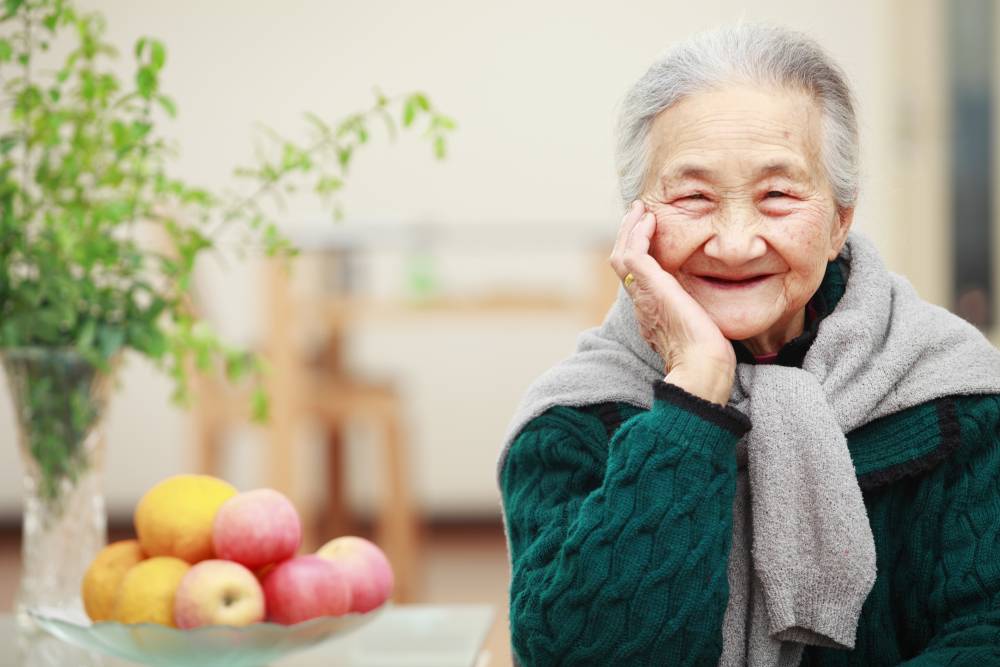
This Thursday, 11th of July is Cheer up the Lonely Day, which serves as an important reminder that feelings of loneliness are unfortunately a common occurrence for many, particularly senior Australians. So how can we ensure our ageing population feels included and cared for?
Unfortunately, loneliness affects a disproportionate number of senior Australians and the issue has become much more than an unfortunate situation – it is a serious health concern, and one which should be a public health priority.
While social isolation refers to having minimal contact with others, whether through limited opportunity, lack of existing networks, reduced ability to communicate or a lack of awareness of relevant resources; loneliness is the negative feeling often associated with social isolation – with actual and perceived social isolation both associated with an increased risk for early mortality.
While loneliness is not exclusively a problem for our ageing population, it is certainly acutely felt by the elderly, many of whom feel a genuine sense of loss at the disintegration of their social lives and decreasing interaction with busy family and remaining friends – whether caused by being widowed, dealing with dementia or an ill partner, personal poor health, immobility, having to relocate from their family home and community or poor technological skills which make it harder to establish new friendships and maintain contact with younger generations.
The Australian Bureau of Statistics reports that in 2017, people aged 65 years and over made up 15% of Australia’s population. This is projected to increase to between 21% and 23% in 2066. There were 493,000 people aged 85 years and over in Australia in 2017, making up 2% of the population. This group is projected to grow rapidly reaching between 3.6% and 4.4% in 2066. These figures demonstrate that maximising the health and wellbeing of our seniors is a public health imperative that will only become of increasing important over time, requiring real solutions that go well beyond home-delivery meals and adding hospital beds.
With loneliness having far-reaching consequences in terms of depression, mobility and the successful treatment of chronic disease, the situation is already putting pressure on health and social services in this country and others.
To quote former US surgeon general Vivek H Murthy, “The reduction in life span (for people experiencing loneliness) is similar to that caused by smoking 15 cigarettes a day, and it’s greater than the impact on life span of obesity…look even deeper and you’ll find loneliness is associated with a greater risk of heart disease, depression, anxiety and dementia.”
We need a carefully considered, multi-disciplinary approach to improving what Mr. Murthy describes as a ‘loneliness epidemic,’ by recognising that each individual experience of loneliness and social isolation is unique. Finding fresh ways for senior Australians to engage in society, to remain active, and, where possible, to retain a degree of independence is a good place to start to improve the quality of the ageing experience.
Obviously not all lonely seniors are looking to move into retirement residences or aged care accommodation just yet, but that doesn’t mean we can’t help them feel connected and cared for. With many Australians keen to continue living independently at home, our industry must continue to be innovative, and provide personalised in-home services which extend beyond the traditional services to encompass companionship – all intended to make staying at home simpler, safer, more sustainable – and less isolating.
For those requiring retirement or aged care accommodation – at Cranbrook Care we pride ourselves on ensuring that residents have access to a range of different activities, outings and events that help to combat loneliness, by providing daily opportunities to connect with friends, family, fellow residents and those in the wider community. We have been setting new benchmarks in outstanding care, accommodation and service for older Australians for almost 20 years, and truly believe that being socially stimulated can be just as important to the long-term health and wellbeing of our residents as environment and diet.
Whether our ageing population opt to continue living at home, to join a retirement living community or, when necessary, to live in an aged care residence, addressing their social health and minimising loneliness throughout the continuum of care should be a primary public health priority – not just for policymakers and those in the industry, but for all of us.
Let Cheer up the Lonely Day serve as a reminder that nobody wants to grow old alone, or be alone, nor should they have to.





