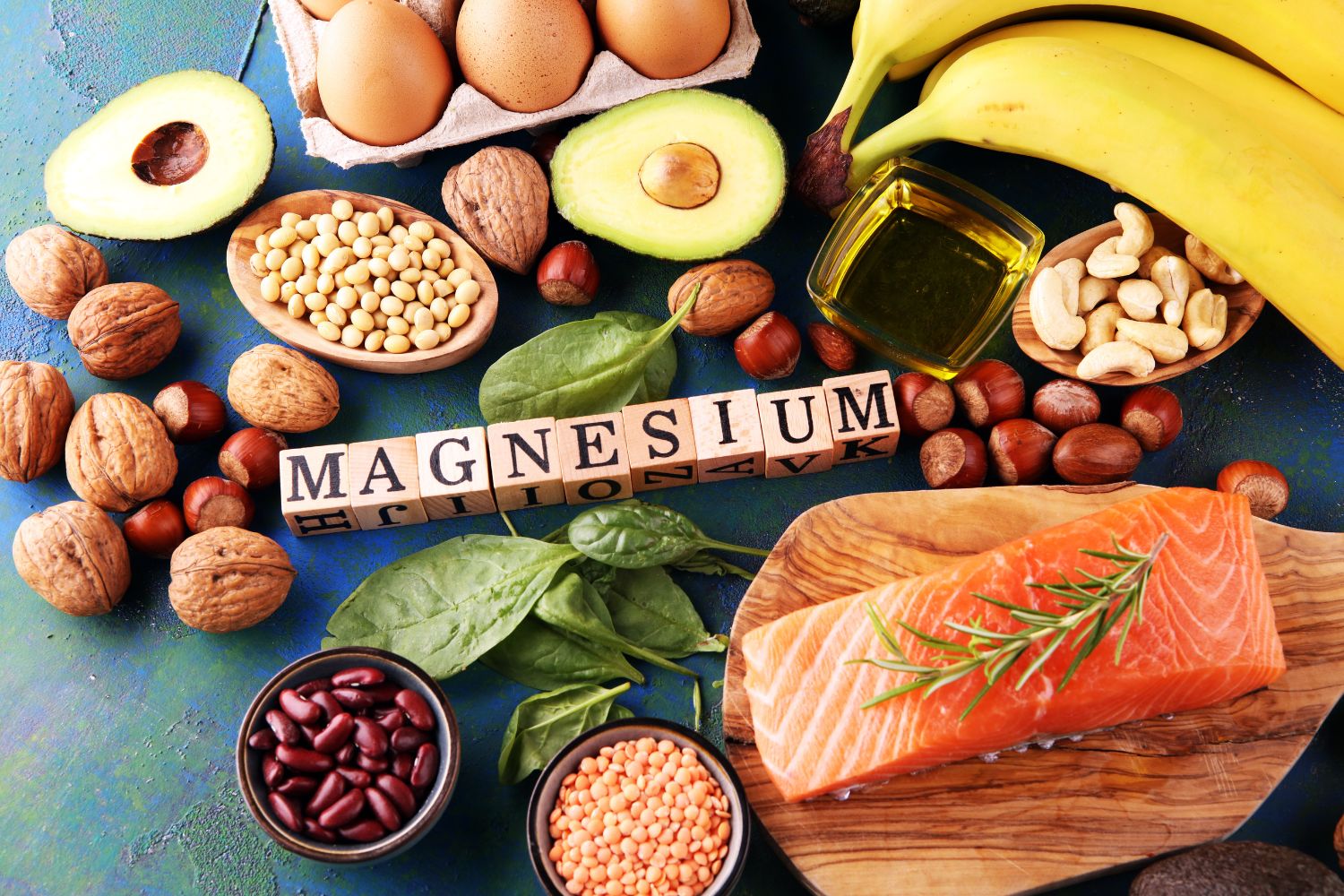
A study by the Neuroimaging and Brain Lab at The Australian National University (ANU) suggests that including more magnesium in one’s daily diet can enhance brain health and potentially decrease the likelihood of dementia.
The study, which involved more than 6,000 cognitively healthy participants aged 40 to 73 in the United Kingdom, found that consuming more than 550 milligrams of magnesium per day resulted in a brain age approximately one year younger by 55 compared to those with a normal intake of 350 milligrams.
“Our study shows a 41% increase in magnesium intake could lead to less age-related brain shrinkage, which is associated with better cognitive function and lower risk or delayed onset of dementia in later life,” lead author and PhD researcher Khawlah Alateeq, from ANU National Centre for Epidemiology and Population Health, said.
Dementia is the seventh biggest killer worldwide and the second leading cause of death in Australia. It is also the leading cause of disease burden in Australians aged 65.
With no cure for dementia and the number of people diagnosed with it expected to more than double from 57.4 million in 2019 to 152.8 million in 2050, it is crucial to focus on preventative measures such as a diet rich in magnesium.
“Our research could inform the development of public health interventions aimed at promoting healthy brain ageing through dietary strategies,” study co-author Dr Erin Walsh from ANU, said.
The ANU team focused on magnesium-rich foods such as leafy green vegetables, legumes, nuts, seeds, and whole grains to provide an average estimation of magnesium intake from the participants’ diets.
The responses from the participants, who completed an online questionnaire five times over a period of 16 months, were used to calculate their daily magnesium intake, which was based on 200 different foods with varying portion sizes.
The study also found that a higher intake of magnesium in our diets from a younger age may safeguard against neurodegenerative diseases and cognitive decline by the time we reach our 40s.
“This means people of all ages should be paying closer attention to their magnesium intake,” Ms Alateeq said.
While the study shows that more dietary magnesium appears to benefit women more than men and more so in postmenopausal than premenopausal women, the researchers said this could be due to the anti-inflammatory effect of magnesium.


