
Key points:
A new report from the Aged Care Quality and Safety Commission has shown the majority of instances of unreasonable force reported in the sector involved interactions between residents and more than half of those residents had severe cognitive impairment.
The report featured case study insights from the Commission’s Serious Incident Response Scheme (SIRS) ‘unreasonable use of force’ incident notifications which accounted for nearly two-thirds of all incidents notified to the Commission by residential aged care providers in the first 15 months of the scheme (April 1, 2021 to June 30, 2022).
These insights come after the death of 95-year-old aged care resident with dementia, Clare Nowland, who was tasered by New South Wales Police and subsequently died from her injuries. The incident has sparked serious questions among aged care experts and advocates about the level of training both aged care workers and the police force receive when dealing with challenging behaviours associated with cognitive impairment.
The Commission agreed that while managing these behaviours can be challenging in residential aged care, many such incidents are avoidable and providers need to do more to train staff to identify and mitigate risks to residents in their care.
Commissioner, Janet Anderson, said that while many serious incidents are dealt with effectively by providers by addressing issues for the person concerned and adding changes to prevent future incidents, the report showed there are still some providers that need to improve at an operational and governance level.
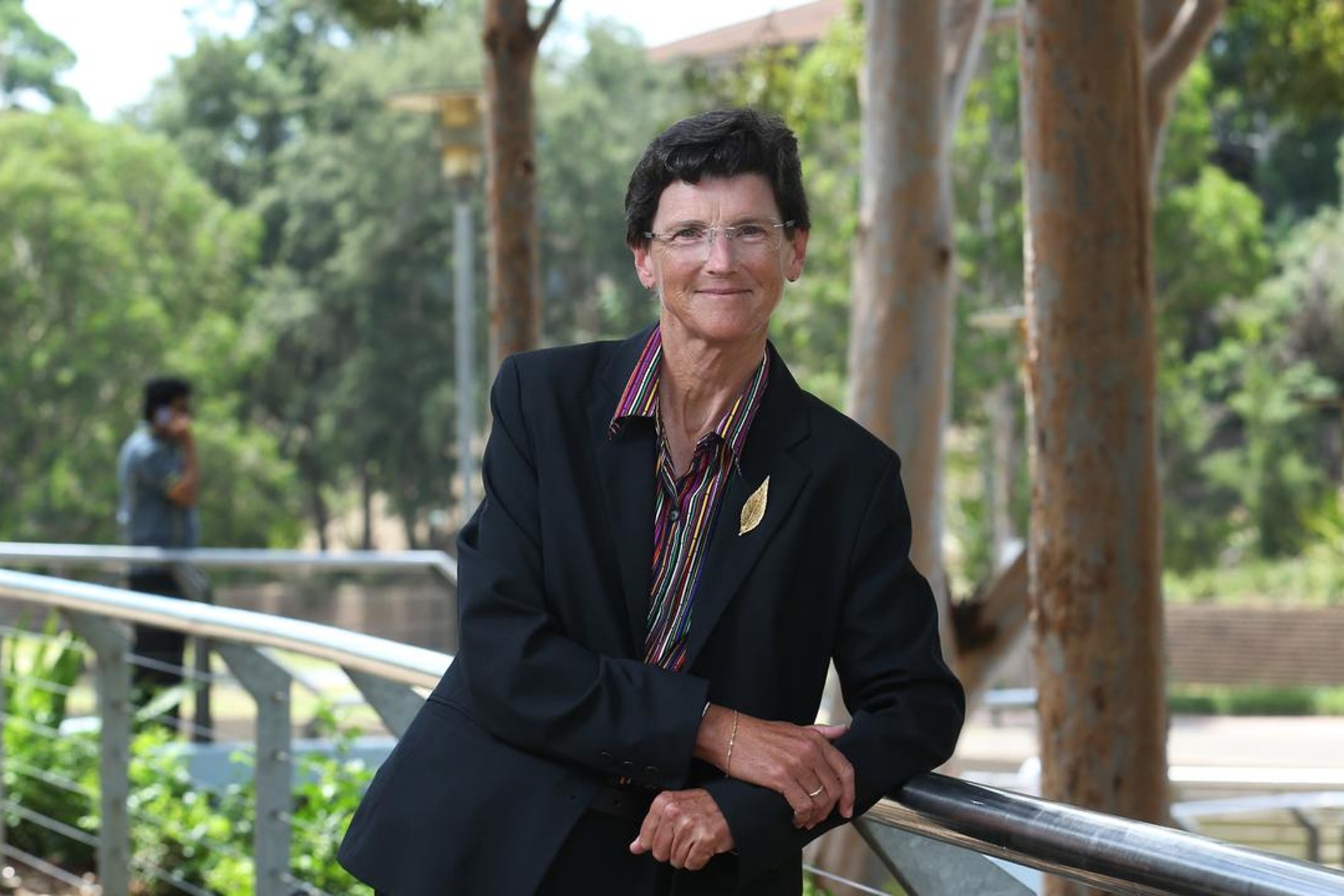
“It’s possible that they are not considering less obvious impacts which may be harder to identify where a resident isn’t able to reliably relate what happened, or delayed impacts where a physical injury becomes apparent later.
“We are also concerned when we see the same type of incident reoccurring in the same residential service or with the same resident. This raises questions about whether the provider has an effective incident management system that they are using to identify and address such undesirable patterns.”
The SIRS was introduced for residential aged care services in April 2021 and was expanded on December 1, 2022 to include home care and flexible community care settings.
The SIRS requires aged care providers to notify the Commission of serious incidents impacting consumers and have an effective incident management system that identifies how they understand, respond to, and learn from such incidents when they occur.
Ms Anderson said that as providers’ ability to manage incidents improves, the Commission expects to see improvement in providers’ identification and response time, including more careful analysis and better recording and reporting.
The data from SIRS notifications give the Commission another way to assess individual providers’ performance, compliance, management and incident prevention and help it shape education, information and guidance products for both providers and consumers.
The Commission said that reporting serious incidents does not replace the provider’s obligations to report any incidents to police that are suspected criminal offences, something both consumers and experts are debating as to whether the police were required to attend the incident involving Clare Nowland.





The red tape involved probably puts staff off reporting. It also impacts whether staff will intervene in a situation or call the Police. Families put their elders in these places because they can’t or don’t want to look after them. Then they complain about what goes on. They fail to understand if it is hard to deal with only one cognitively impaired person the difficulty of dealing with a ward full of impaired people is extremely difficult. Many of them can be violent and at those times they are stronger than usual. There is a form for everything that goes amiss. I understand this but it takes time away from patients. There is a fine line between good administration and overkill. The vast majority of those caring for dementia patients are hard working and caring. Dont ever forget they are doing a job no family member will do. If ratio of carer to patient is right any problems are minimised immediately. I suggest one carer to 2 or maximum of 3 patients.