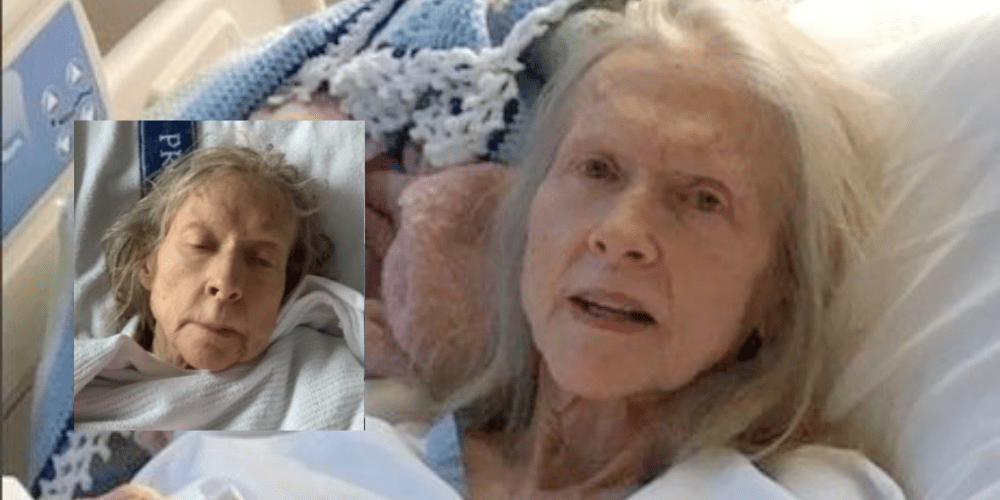
The mystery woman who was left at Nambour Hospital on Queensland’s Sunshine Coast a month ago has finally been able to identify herself to police.
Her story began on September 6th, when an unidentified man was seen to be leaving her at the hospital, and staff found her in a distressed and weakened state. Seemingly non-verbal, the woman was unable to tell hospital staff who she was, what had happened to her, and why the man had left her without explanation. Police released an image of her at the time, looking disheveled and disorientated, appealing for the public’s help to identify the woman.
A few days later, police released an updated image of the woman as her condition improved, as well as an image of a gold ring she was wearing at the time in hopes that it would help someone recognise her and come forward with information. The man who originally dropped her at the hospital had been identified by police and interviewed, with police ruling him as unsuspicious. The woman began to increasingly communicate with hospital staff, but remained unable to identify herself.
Despite national media coverage and police door knocking on aged care facilities, RSLs, CWA Halls and locals, it was revealed that members of the small regional town where the woman was found, didn’t know who she was. Members of the close-knit community of Mooloolah Valley spoke to ABC reporters about the mystery woman, all saying that while they knew virtually everyone in town, they had never seen her before. Furthering the mystery, the road on which she was found walking, Brandenburg Road, was well known to be steep and difficult. The mystery of how a weakened woman in her 80s or 90s had found herself walking along such a difficult road deepened.
Last week, as the woman remained unable to identify herself, and unable to give informed consent to medical teams, discussions began around guardianship, as anyone was yet to claim her. But just yesterday afternoon, Queensland police released a statement titled “Final update” regarding the mystery woman and her health and wellbeing.
“Police can confirm public assistance is no longer required in identifying an elderly woman being treated at Sunshine Coast University Hospital since September 6,” said the statement.
According to the statement, the mystery woman began communicating with police and has been able to clearly identify herself. She has expressed wishes that her identity remain undisclosed to the media for “personal reasons.”
Queensland police have requested the media’s respect of her wishes and her privacy, and have revealed that as she has not identified any criminality to the police, they have bowed out of the matter and left her case to the care of Queensland Health.
“Police would like to sincerely thank the local community and the media for their ongoing concern and support since the woman was first located at Nambour Hospital on September 6,” said the statement.
Image Source: Queensland Police



What is she afraid of, has she been abused by her family and that is the reason behind this, if so they have a lot to answer for.
So pleased this lady has come to no {obvious} harm – wishing her all the best
I’m glad that she is safe and now cared for by the Nambour hospital. Big thank you to all the care givers. God bless her.