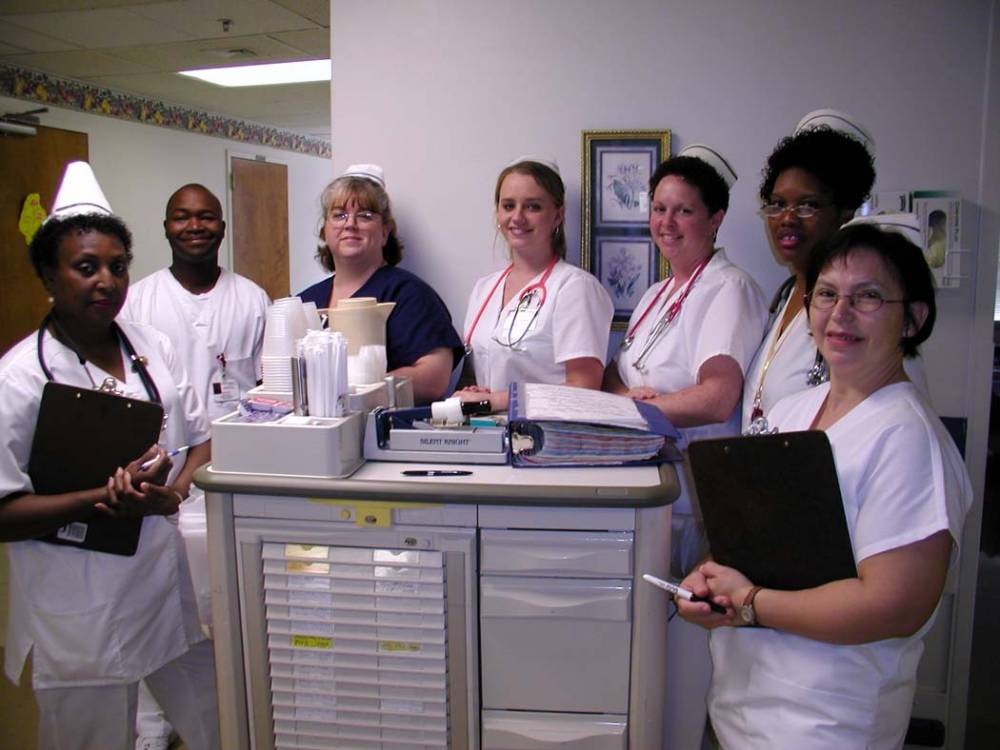
In aged care, if an incident occurs it is the responsibility of the staff – in particular, the nurse on duty – to report what had occurred.
This could mean reporting falls and accidents, or cases of abuse or poor quality care. Regardless of how big or small the incident is, it is necessary that these incidents are reported.
However, some nurses may find themselves in a position where they are reluctant to report an incident, even though they knew about it – but why is that?
Various studies have looked into the reasoning – and there seem to be the same barriers industry-wide.
One of the most common reasons for a nurse choosing not to report an incident, is due to fear. Fear that they will be blamed, reprimanded, or worse, fired from their job.
Some nurses fear that if the file an incident report, they are “whistleblowing” on their fellow workers. And with a bully culture so rampant in nursing, it’s understandable that nurses may feel pressure to “keep the peace”.
In other cases, nurses may find themselves too busy. As they are thinly spread over a number of residents, overseeing and making sure people are being cared for as best they can, sometimes the report can get “lost”.
Some organisations also fear the backlash they will receive, that having one incident will bring an onslaught of negative attention or media and will be damaging for business. This is especially the case if the incident could have been avoided if there were more staff on hand or better practices and procedures in place.
But incident reporting is not necessarily about laying blame for what happened, it is about determining what went wrong and why. It also allows the staff and the organisation to learn and put systems in place to protect residents.
Incident reports are not some “quick and easy” memo that is made. Rather, they tend to be long forms that need to be filled out.
If incident reports were easier to do, made to be shorted and more succinct and less onerous on the nurse, then maybe nurses and other aged care staff would find it one less barrier for them to complete.
Whilst the nurse can’t necessarily be blamed for prioritise “patient/resident” care over paperwork. In their position, they may feel like the care offered is the number one priority and, therefore, things like reporting and paperwork come second.
But in all the incident reporting that does not get done, vital information – and potential solutions and minimising future risk or harm- get lost. And all this has created is a “culture of silence”.
There needs to be a culture change change that takes aware the fear, and allows staff to own up to the mistakes and incidents that can occur in an aged care setting.
What do you have to say? Comment, share and like below.



I think this is true. But mgmt needs to enforce that reporter doesnt get retaliated against. My facilities report the incidents to mgmt and i prefer to do incident reports and investigations myself along with mgmt team and find i get more facts when i take the person out who reported.
Fear of reporting for so many reasons, bullying culture, the time it takes, repercussions, living and working in a community where everyone knows everyone etc. Another consideration is when a report is put in by a staff member it can actually be cut off at a management level. Staff feeling like they have no where to go after initial reporting (personal experience) . No governance, legislation or processes in place. Having an independent body (mediator) non provider to provide this support, information and an avenue that staff would feel safe in bringing to light a concern or issue. Open the doors to transparency and support which enables honest “feedback” from all . A solution driven approach with language to encourage others to come forward with comments. Feedback, not complaints.