During COVID-19 many aspects of our lives have been challenged: how we work, how we educate our children, how we catch up with friends, and how we get the items we need to live, and that’s to name just a few.
Obtaining some of life’s basic items became fraught with challenges as we complied with the need to stay at home and faced shortages of many common items (toilet paper, I’m looking at you).
For many, particularly older people, obtaining medication became difficult amid shortages of some drugs, and even outings to the local chemist were overshadowed by the threat of infection.
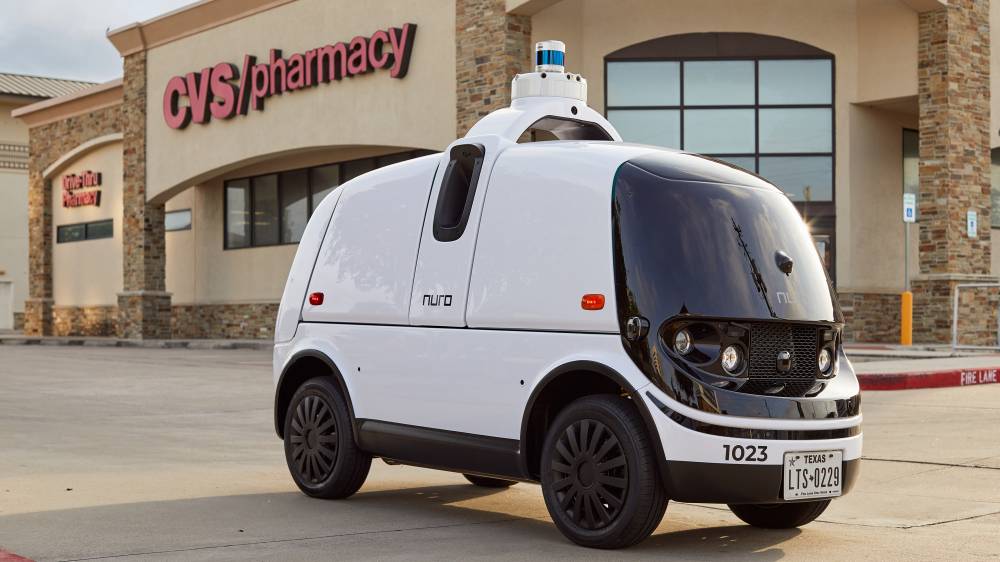
As is often the way when challenges arise, innovators stepped in to satisfy a new need, and in the United States, robotics and artificial intelligence company, Nuro, set about finding a way for medication to be delivered safely and conveniently to people’s doors.
Nuro has partnered with the United States pharmacy group, CVS Pharmacy, to trial the delivery of prescription medication by driverless vehicles.
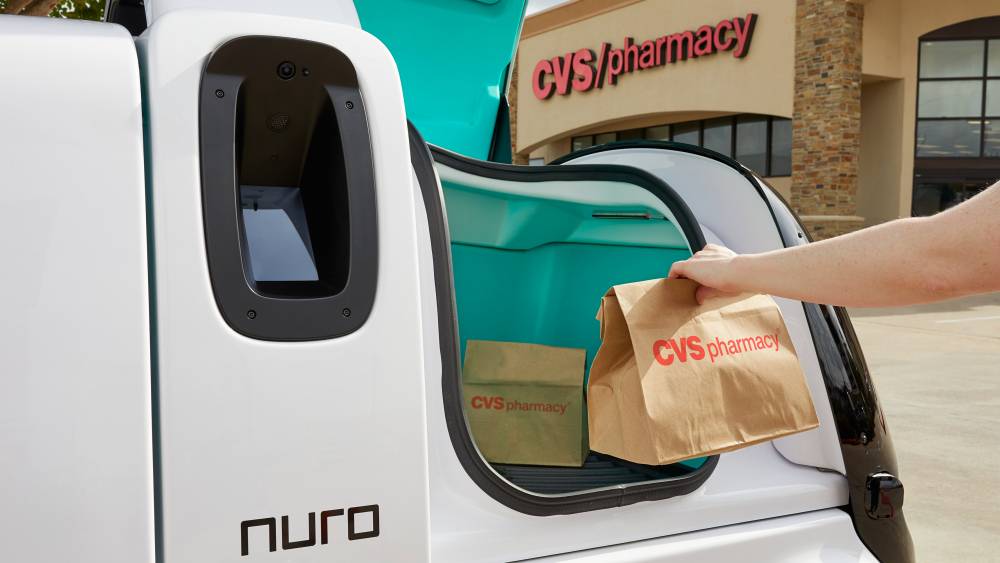
In a pilot starting this month in Houston, CVS customers when ordering their medication online will be able to choose the option of having their order delivered by autonomous vehicles to their door.
The medication will be delivered by autonomous Prius vehicles at first, and later in the trial will be delivered by Nuro’s R2 custom-built, low-speed, electric delivery vehicles.
Customers will be able to add non-prescription items to their order too. During the trial, the delivery will be free.
When the autonomous vehicle arrives at the customer’s home, the customer must confirm their identification before accessing their order.
“As more Americans opt for home delivery over store visits, we believe Nuro will provide security, ease, and peace of mind for those who need prescriptions delivered directly to them at home,” a statement from Nuro said on its website.
CVS Health’s senior vice president of store operations, Ryan Rumbarger, said, “We are seeing an increased demand for prescription delivery.”
“We want to give our customers more choice in how they can quickly access the medications they need when it’s not convenient for them to visit one of our pharmacy locations.”
Nuro’s co-founder and president, Dave Ferguson, said, “We hope to make it easier for customers to get medicine, prescriptions, and the other things they need delivered directly to their homes.”
Nuro was founded by two former engineers at Google’s self driving car project, Waymo. Mr Ferguson and Jiajun Zhu have devoted their careers to using robotics and machine learning to solve some of the world’s most challenging problems.
Would you like a driverless vehicle to deliver medication to your door?
Images: CVS Health.


