It was during a recent electric blackout that I was faced with the dilemma of sitting in the lounge with a solitary candle for company, with the unknown factor of when the power would be restored.
It was 7pm, so too early to go to bed, with one candle and darkness everywhere, too dark to read … so I decided upon an exercise I had thought about doing so many times before but never really had the time to do.
I decided to recall my earliest memory and work forward chronologically.
I am lucky enough to have early memories of when I was around 18 months old, standing at the end of my crib watching the nightlight at the foot of my parent’s bed.
Then I tried to recall other similar memories of the same time, such as family members, the cottage we lived in and emotions of excitement and sadness, special holidays, such as birthdays, Christmas, and trips to the seaside.
So many memories popped into my head when I concentrated on that time in my life … my pets, and the early days of primary school, from my first day to teachers and new friends.
I was even able to recall smells, feelings and emotions associated with each memory.
Even my parents’ friends and families, trips to grandparents and the memories connected with them.
There was sadness from ages 7-9 years old when all four grandparents passed away and I recall the family always being in black.
The various stages of senior school, new friends, exams and teachers, and new romances came next.
First kiss, heartbreak, first love, and all the trappings of adolescence and the hormones that followed.
Freedom of University and living and studying with my peers, graduation, travelling around the world, living in New York then Paris, meeting the love of my life, marrying, first home together, the arrival of children.
A career in housing, new friends again, promotions, and work stress.
The loss of a child, divorce, new chapters, new beginnings, moving to a new house, new love, moving from the UK to Tasmania, Australia.
Re-training in aged care, going back to university, graduating again in dementia care, with a new career in aged care and passion to make a difference.
The exercise took around four hours to bring me up-to-date.
Admittedly it could have taken longer when pondering over happy memories, in the darkness of the night with only recall and a flickering candle keeping me company.
But it suddenly occurred to me that this could be a valuable reminiscence therapy for some elders.
This is a way of passing down to generations what made the person and how they spent their life and reiterating the fact that memories are history in the making.
Our brains can hold hundreds and thousands of memories, which I like to refer to as a living library.
Our memories are like books, which we take out every so often.
Some of the stories we like, some we don’t. Some chapters are a better read than others and some pages we would like to forget, but these books are what makes us unique and very special to our loved ones.
I still work every second weekend in a memory support unit where I have tried this therapy with a particular woman who still has a great recall of her life in Scotland.
The therapy will have varying success and would need to be tailored to the individual – not everyone will enjoy such a journey back in time.
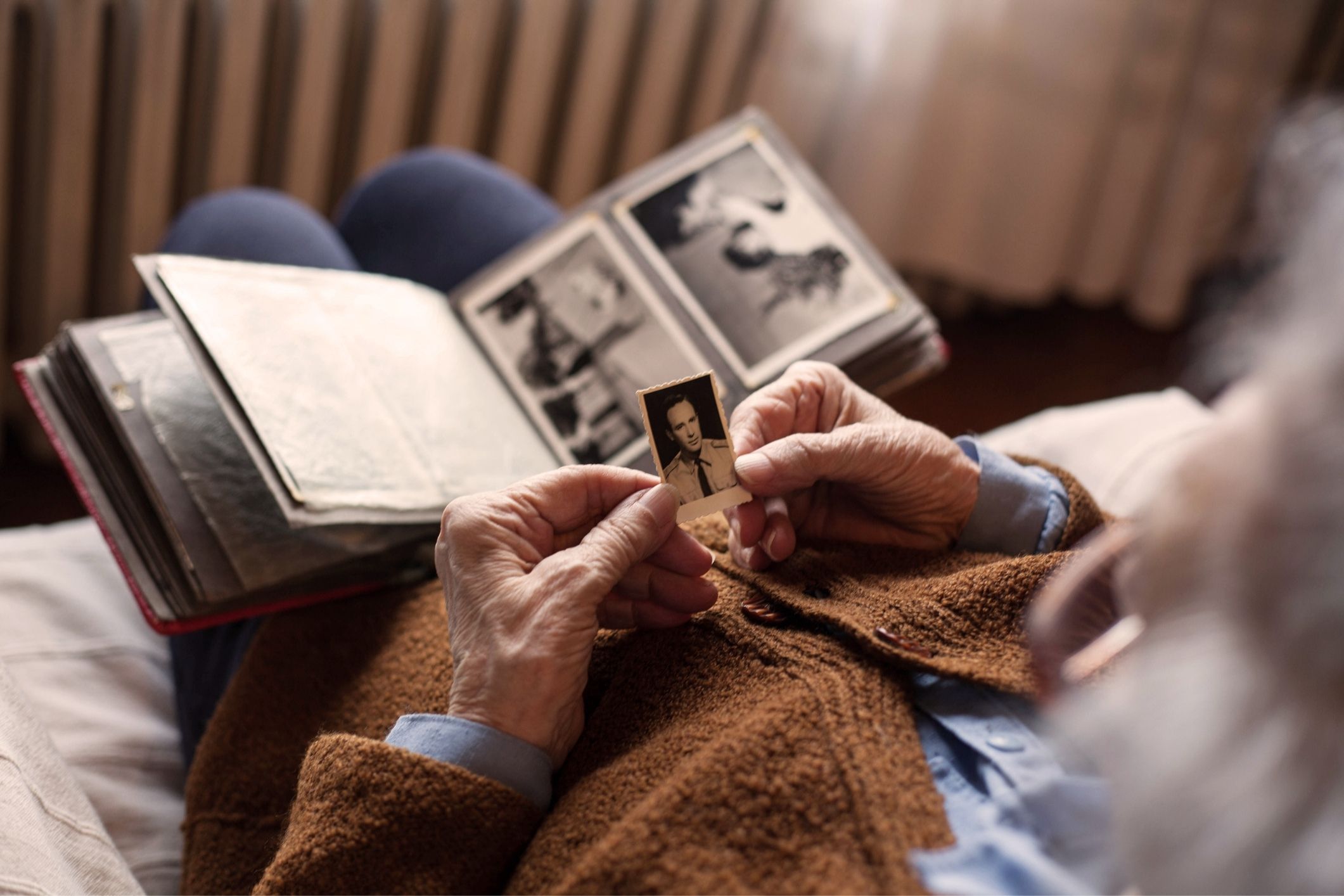
There is even the opportunity of sharing memories with photographs when possible. I will always remember a framed wedding photograph of a lady I cared for and her pride in the fact that her dress was designed by the famous Norman Hartnell.
When the picture was brought to her attention, she would recall every detail about her wedding day with a smile on her face and a glint in her eye as she recalled the happiest day of her life.
Depression is very common for people living in residential aged care, and this form of therapy will have some level of success in alleviating feelings of sadness and depression, although it is only part of the remedy to improve the wellbeing of the person.
When companionship and shared experiences bring people together, social isolation can improve how people feel, and hopefully make a difference in people’s lives.
When the lights came back on after several hours, I felt uplifted with a warm feeling inside that I had the pleasure of re-visiting my life, and with the hope that there would be more memories to add to my collection in the future.



Thanks for sharing Michael. A beautiful experience that we can all benefit from, especially when shared with another person. Reminiscence is a great way to address the maxim “you never really know someone until you have walked a mile in their shoes”. By reminiscing with them you get to walk in their shoes for a little while. It’s a powerful way to connect, especially with older people who may be feeling isolated and alone. One of my favourite songs is “Reminiscing” from the 70’s by the Little River Band. It reminds me of how we are shaped by our experiences, which then become memories, which are uniquely our own.