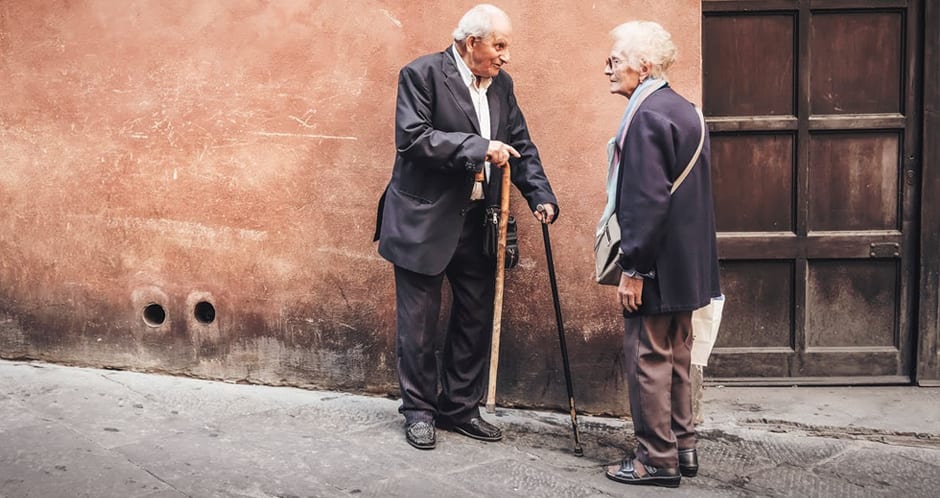
How do we treat our elders? It changes from culture to culture, and has evolved over the years.
As humans, we have struggled with how to accommodate the ageing and older people in our society.
History shows that in some groups give the most honoured positions to the elders. While other groups completely abandon their elderly who they view as “disposable” or “useless”.
So what should humanity do? What value do older people bring and what role do they play?
After centuries, not much has changed. Most people still struggle with where old people “belong” – do we want them to be productive members of society or to lead a comfortable non-work lifestyles?

Differences in how “functional” older people are plays a substantial role in how involved they are in the community. If they can work, contribute, care for others, then you see that they have more of a presence in society.
But as they get older, and their skills wane over time, it is likely that they become more “invisible” and “disposable”.
Many older people fear that being in aged care means they are hidden away, not to be concerned with. But just because they, and their family, may need assistance with caring for them in their later years, doesn’t mean that the person has nothing to offer.
There have been programs where residents of aged care facilities spend time with day care children or shelter animals – and extraordinarily they do a remarkable job of caring for them. Something that many people may have underestimated of them.
With a growing ageing population, it is in our best interest to utilise all people to the best of their abilities – regardless of their age. It is necessary that we look at the full potential offered by each life phase. And not simply value youth, physical strength and new knowledge.
And even if an older person is unable to offer any skill, knowledge or ability, chances are that they did bring some value to society in the past. Whether it be in the workforce, being a leader, raising a family or assisting the community – for that, they should be cherished and respected.
It is unfair that people fear getting older, that they are concerned about stigma of being “elderly”.
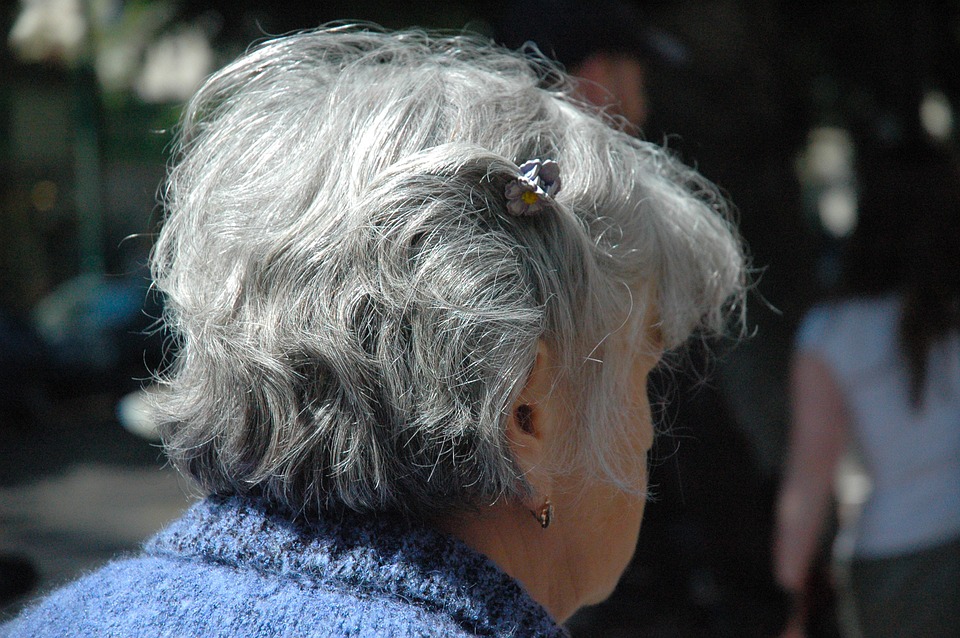
Words hold more weight than we give them credit for. What we call a person can contribute a lot of their self-worth – and this is especially true for the elderly.
The term “senior citizens” or “elderly” can, at times, give the suggestion that a person is dependent or unable. Though not always the case, it can sometimes be rather dehumanising.
Labels can create unintended barriers – which is why so many people are offended if you call them “old”.
Conversely, the term “older person” or “older adult” doesn’t have the same negative connotations when describing the same demographic. This sounds more appropriate as it gives a value of strength, that the older person is a repository of treasured experiences and wisdom.
Being an “older person” simply means one thing – that they have been on this earth biologically and chronologically longer than majority of people. Essentially, they have seen more time than others.
It does not determine and define who they or what they are capable of. Older people should be respected for all they have done in the past, and need to be recognised, in the present, as people that are still capable of offering so much.



4
Thank you for the article, one of the best. I’m just starting to work with older folks that do not feel needed anymore, I need all the advice I can get to insure they know their value.