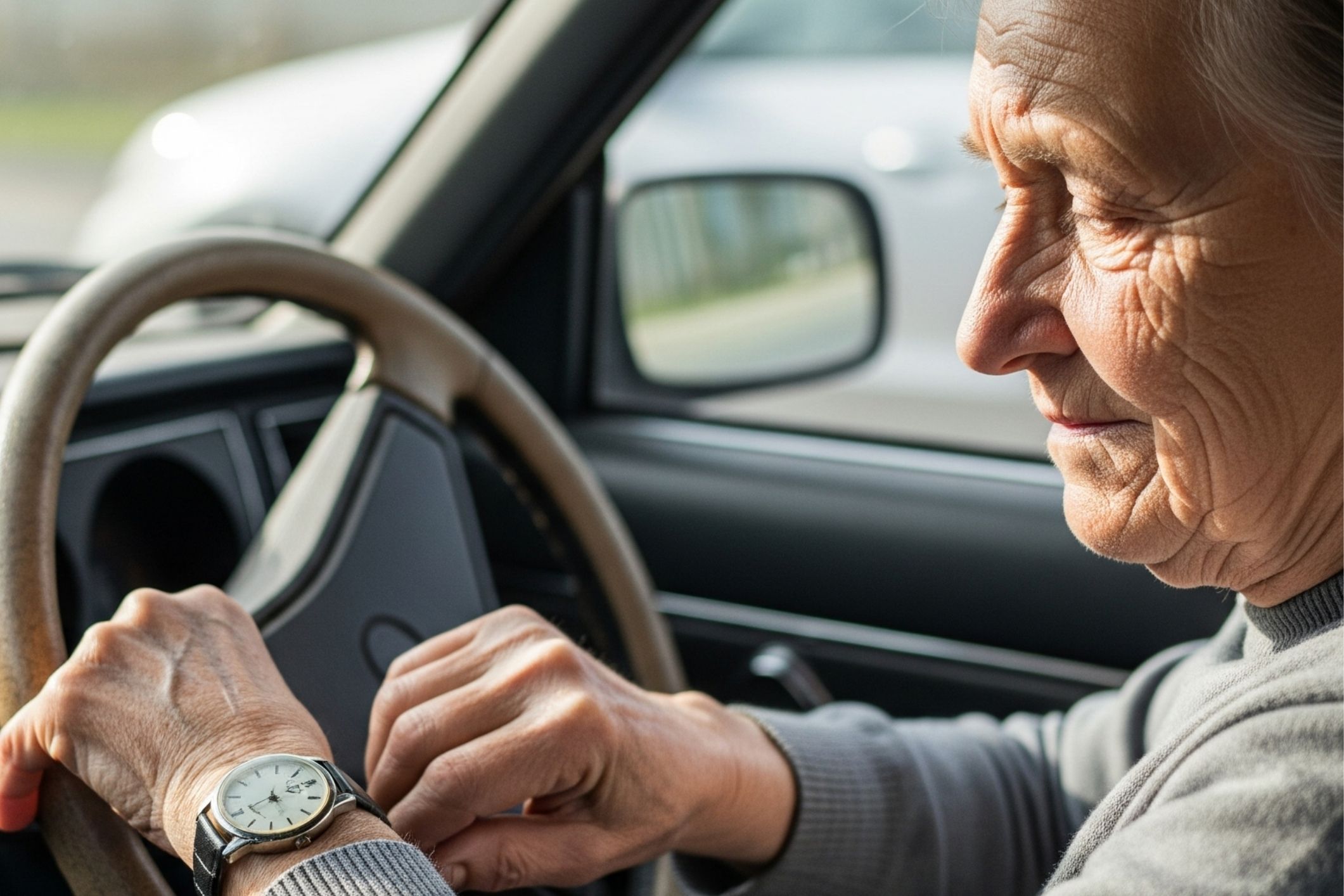
Transport authorities have been forced to deny claims that Australians over 60 would face a driving curfew, after false reports spread online earlier this week.
The fabricated stories, many suspected to be generated by AI, suggested that older drivers in Western Australia would soon be banned from getting behind the wheel between 10pm and 5am, with only emergency and special permit exemptions.
The Department of Transport and Major Infrastructure (DTMI) quickly dismissed the claims, confirming no such rule was planned.
“You may have seen social media posts and videos that claim a nighttime driving curfew will be introduced in Australia for drivers over the age of 60. This is false,” the department said in a statement. “This fabricated news has been shared extensively online and resulted in distress for those who believe the claims are true.”
Despite being unfounded, the rumours spread rapidly and highlighted the sensitivity of a growing national debate: how to balance safety on the roads with fairness for older drivers.
The hoax surfaced just as Victoria is reviewing its regulations following a tragic accident in Melbourne’s east earlier this year, when a 91-year-old driver crashed into a playground, killing two grandparents and injuring a toddler.
Victoria currently requires drivers over 75 to renew their licence every three years, but unlike New South Wales, Queensland, the ACT and the Northern Territory, it does not mandate annual medical checks for those over 75. Drivers in NSW also face a practical test every two years once they turn 85.
Roads Minister Melissa Horne has said “nothing is off the table” when it comes to potential changes in Victoria, with road safety advocates calling for consistency across states and a stronger focus on ability to drive safely.
Meanwhile, researchers at the University of the Sunshine Coast are trialling new tools to assess the cognitive fitness of older drivers. Using electroencephalograms (EEGs), the study measures brain activity while participants complete simulated driving tasks.
Dr Kayla Stefanidis, Senior Research Fellow at the university, said there is currently no standardised method for doctors to assess whether an older patient is fit to drive.
“The development of a cognitive screening tool would help health professionals accurately identify whether someone requires further testing,” she explained.
Advocates argue that such tools could reduce unnecessary restrictions on older drivers who remain capable, while ensuring those experiencing cognitive decline are identified before accidents occur.
The curfew hoax may have been quickly exposed, but it struck a nerve because the issue of older driver safety is not going away.
With Australians living longer and the number of senior drivers increasing sharply, governments face pressure to find a solution that maintains safety without unfairly targeting people based on age alone.
For now, authorities are urging the public to be cautious of misinformation online and to rely on official sources for updates on road rules.


