
The Minister for Health Greg Hunt has spoken of his commitment to mental health services in aged care and announced a further $5 million in funding for seven research projects into mental health for seniors.
While suicide prevention does receive significant attention in Australia, most of the focus is on younger people, in particular on online bullying and youth suicide prevention.
When a young person dies, the tragedy is magnified by the fact that a life has been cut short.
However, the “despair” felt by many older Australians also deserves attention. By focusing on youth suicide, we have perhaps overlooked a key fact.
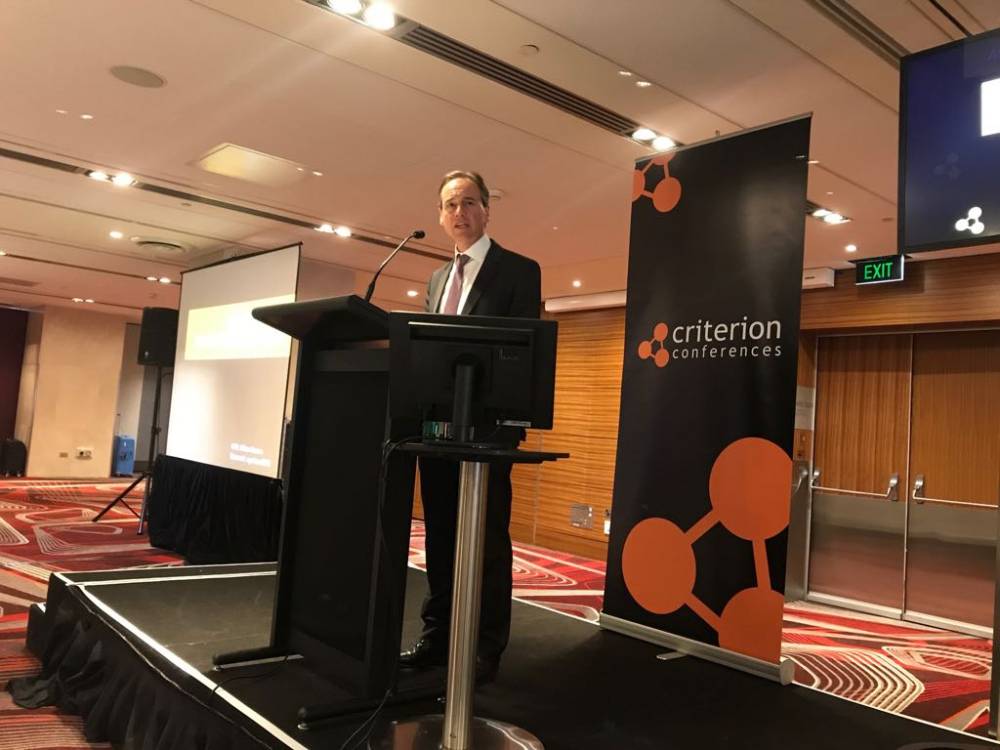
“The highest rate of suicide in Australia is for men over the age of 85 years,” Mr Hunt said at the Criterion Conferences for Aged Care Reform After the 2018 Federal Budget.
According to 2016 ABS data, the suicide rate for men aged 85 and older was 34 per 100,000 people. In women of the same age, the number was only 6.3. For males aged 15-19 years old, the suicide rate was 13.4 deaths per 100,000 people.
Mr Hunt said that the combination of ageing, poor health, and loneliness are contributing to the high rate of suicide among older men in Australia.
“At any age it’s tragic, but so much of it at that age is about isolation and loneliness,” Mr Hunt said.
One the major features of the 2018 budget was the allocation of $102 million for mental health support services for seniors, with more than $80 million for those in residential care, and $20 million for mental health nurses within the broader community outside residential care.
At the conference, Mr Hunt announced a further $5 million to fund seven research projects into practical approaches for suicide prevention among older Australians.
Mr Hunt said Australia can aspire to have the best aged care system in the world.
The recent budget allocated an extra $5 billion to aged care over four years. It has created an additional 14,000 new home care packages.
There will be a new single quality and aged care commissioner, and the process is underway to bring complaints and quality into a single environment.
To address the significant issue of hip fractures, the government is funding a national hip fractures registry to provide data around the issue.
Mr Hunt spoke of his own recent experience with aged care as his own father and partner moved into care, and his father then moved into palliative care.
“We’re all on same journey. Aged care affects us all,” he said.
“The work you do is Australian society at its best,” he said.
If you or anyone you know needs help:
PANDA on 1300 726 306
Lifeline on 13 11 14
Kids Helpline on 1800 551 800
MensLine Australia on 1300 789 978
Suicide Call Back Service on 1300 659 467
Beyond Blue on 1300 22 46 36
Headspace on 1800 650 890





