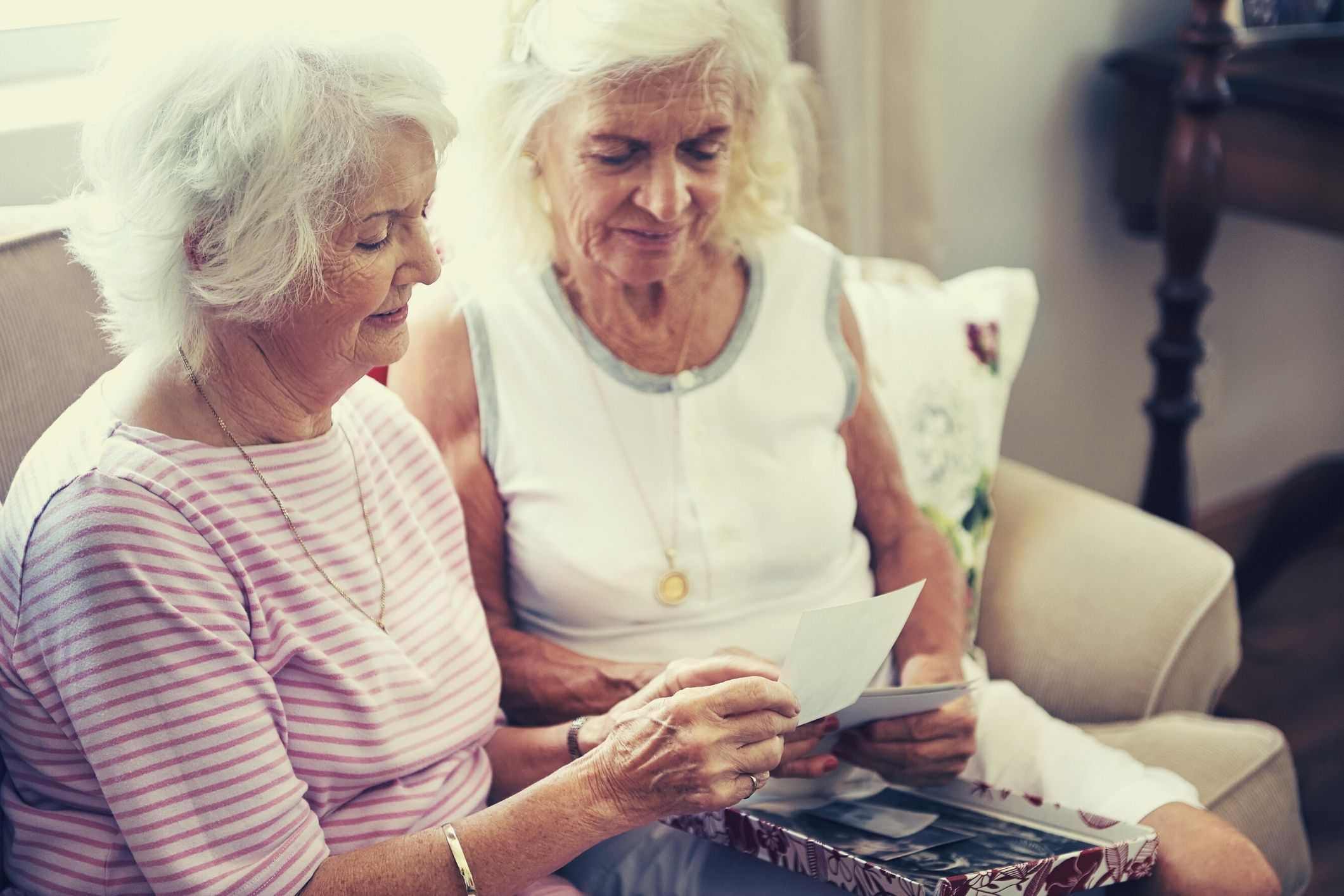
People living in residential aged care become accustomed to having things done for them and being waited on. Sharing a mutual interest or historical event with someone of the same culture or is familiar with that culture can be very rewarding.
For example, I have shared life experiences with a woman originally from Scotland, a country I am very familiar with. Conversations often start with food, school, language or any given subject that reflects life in Scotland.
She is instantly transported back to her childhood with floods of memories in her mind’s eye. She lights up like a projector when a shared subject is raised, such as baking Dundee cake with her grandmother and the smell from the oven when the cake is ready to come out.
Another shared experience is that of the annual Edinburgh Tattoo. The woman recalls the very first tattoo in 1949 – back then it was called “Something about a Soldier”, the following year in 1950 she recalls it was the first official Edinburgh Military Tattoo with nearly 6,000 spectators held in Edinburgh Castle.
They were both 18 years old, very much in love and recklessly decided to build a life together on the other side of the world.
She leant over and smirked while she whispered, “Well, married 60 years so proved them all wrong”, and continued chatting about the voyage from Scotland to Australia.
Shared experiences especially, with empathy and mutual knowledge of that memory, serve as a highly motivated lifter of spirits with reinforced wellbeing that can help alleviate sadness, loneliness and sometimes depression momentarily.
Memory recall of this nature reignites a sense of identity, once lost during time with a newly adopted culture.
People living with dementia often repeat a favourite story or recollection of the past. Being an effective listener can help provide comfort to that person. The result can make a profound difference in the person and their wellbeing.
I have found that sharing some of my memories of Scotland during a session proves useful in provoking additional triggers of shared experiences and helps make the person feel relaxed and valued with someone who has a similar understanding or knowledge of what they recall.
This form of stimulus brought into the conversation allows the person to delve deeper into their thoughts from their past. Even down to the memories of the national costume of the Scottish guards at the Edinburgh Tattoo evokes laughter about the myth surrounding what they wore underneath the kilts. All of this is about bringing happiness, comfort and shared experiences to the fore.
Another situation I enjoyed cultivating was that of a Norwegian woman I cared for in residential care in Tasmania. She was a very timid and private person; this being associated with the typical way of life for Norwegian people.
I felt compelled to do something about this and seized the opportunity when I met a lady who recently came into the facility who I discovered had been married to a Norwegian air captain.
She told me she lived in Norway for 40 years, and when he passed, she decided to return to her native Australia. During that time, she had learnt the language, the culture and the Norwegian way of life, although she never lost her roots and her sharp sense of humour.
I arranged a table for lunch, did some research into Norwegian food, discovered the likes and dislikes of both women, then arranged a meeting with the kitchen staff to see if they could accommodate a special meal. They very graciously agreed, and the menu was set and the table arranged.
When the women were introduced to each other the Australian woman greeted the Norwegian woman in Norwegian with “Hie og Hvordan har du et i dag” (which I was informed was ‘hello’ and ‘how are you?’). The Norwegian woman’s eyes lit up instantly at the sound of her native tongue and they both started conversing together sometimes in English and sometimes in Norwegian.
The meal had been designed to remind both of their homelands the starter was pickled herring and rye bread, followed by kjØttkaker – a form of meatballs served with potatoes and cabbage.
The dessert was a spiced cinnamon scroll colloquially called Skillingsboller. The women instantly became friends and deeply appreciated the effort that had gone into preparing the meal.
They would eat together, take walks and sew together. I felt a great sense of satisfaction in that I had brought these two like-minded people together to share a culture that had been laid dormant for so long.
I believe we tend to underestimate the value and importance of our own culture and what makes us unique. That is why sharing our history and mutual backgrounds can only continue to enrich our souls and the society in which we live.
An appreciation of our differences and values carves us into individuals with a diverse past and brings colour and variety into life.



Wise observations presented in an educative manner suitable for students and all carers! Thank you Michael.