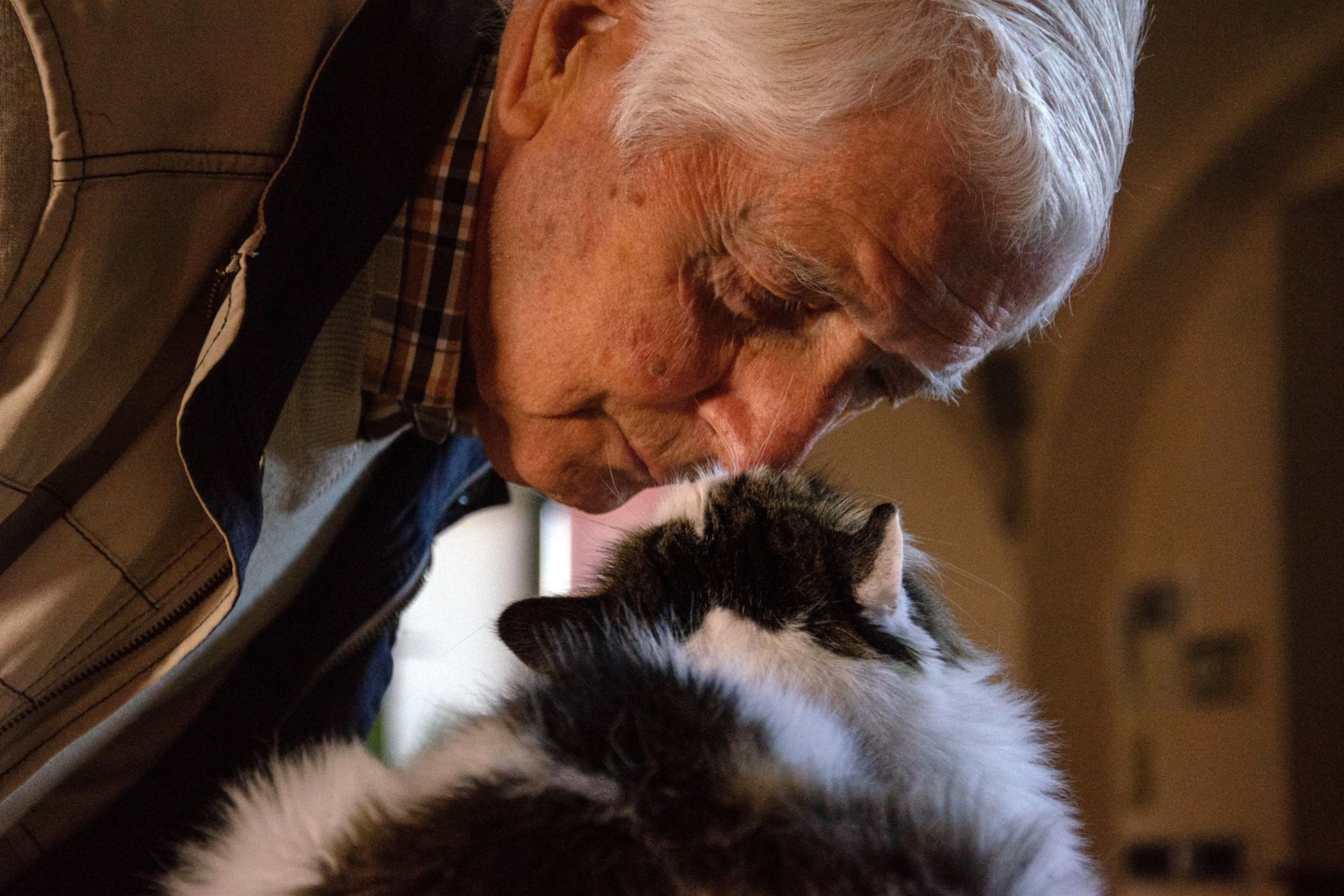
With 95% of people believing that pets contribute to improved health outcomes for older people*, having access to pet-friendly aged care should be far more common, says national animal welfare charity Companion Animal Network Australia (CANA or Australia CAN).
Yet, as of 2023, only 18% of aged care facilities allow residents to keep pets, and just 9% of older pet owners living at home – who rely on government-funded Home Care Packages (HCPs) – receive any assistance with their pet’s care, according to CANA’s 2023 Aged Care Survey: Status of Pets in Aged Care.
As a result, pet surrenders due to life changes — such as moving into aged care or struggling to meet a pet’s needs — continue to rise. Many older Australians lose not only a cherished companion but also the daily joy, comfort and sense of purpose that a pet provides.
CANA’s 2025 Pet Friendly Aged Care Survey is now live, and everyone is encouraged to participate to help shape policies that keep older adults and their beloved pets together.
“CANA is calling on all Australians to seriously consider what this means for their families and how it could personally affect them at some point in the future,” says Trish Ennis, CEO of CANA, which represents companion animal welfare organisations across Australia.
“No one should have to say goodbye to a beloved pet simply because they’re growing older or need extra care.”
Australia has one of the highest rates of pet ownership in the world, yet, for many older adults – whether living at home, in a retirement village or an aged care home – access to pet companionship remains a challenge.
“Through our Pet Friendly Aged Care program, we work to preserve this critical bond, keeping people and pets together for as long as it benefits their health and wellbeing,” says Ms Ennis. “For many older adults, having a pet is life-changing.
Numerous studies show that pets reduce loneliness, stress, pain and anxiety, while encouraging social engagement and physical activity.
“Yet, outdated policies and a lack of support mean too many older people are forced to part with their cherished animals, despite still being able to enjoy life with them. Formal support for pet care within aged care services would benefit many more older Australians.”
Take the survey and help make a difference CANA is inviting aged care providers, policymakers, pet owners and community members to take part in CANA’s 2025 Pet Friendly Aged Care Survey to help shape policies that support pet companionship in aged care.
“We believe it’s time for a change and by participating in the survey, you are helping advocate for policies that allow older Australians to continue experiencing the companionship of their beloved pets and helping to keep pets at home,” says Ms Ennis.
The Survey is open to the General public, Residential Aged Care (staff or resident), Retirement Village (staff or resident), In Home Aged Care (carers or cared for) and Home Care Providers.
Take the survey: petfriendlyagedcare.com.au/surveys



When my husband was in an aged care facility I took our dog into the facility daily. My husband missed our dog terribly. It gave Tom a few hours a day to cuddle Max our dog. Max even laid on the bed next to Tom. If the dog is washed regularly, well trained I think it’s a must. The other residents loved Max and all wanted to pat him and talk to him.