There are more than 100 different diseases that cause dementia, and with it a range of varying symptoms that are different and unique to each individual who lives with dementia.
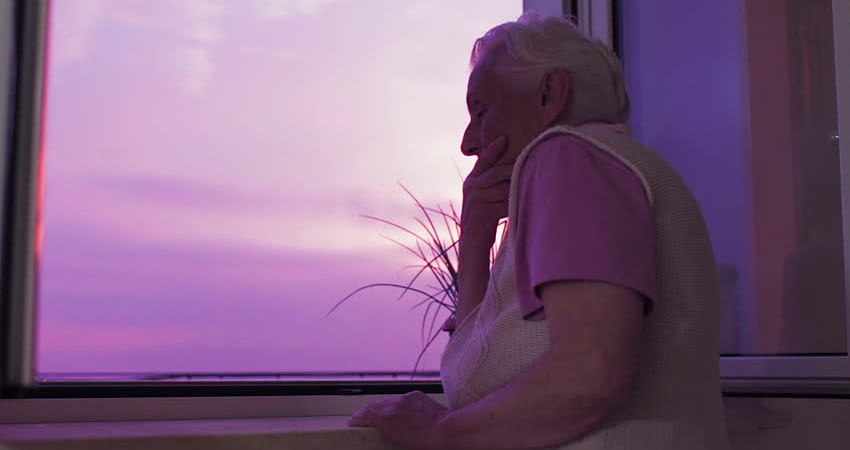
One of the symptoms that can be a challenge for both people living with dementia and those that care for them is what is referred to as sundowning, or sundown syndrome. This is where certain symptoms get worse around the time of day when the sun goes down, and natural light begins to fade.
Sundowning symptoms may include increased agitation, disorientation, pacing and irritability.
Research shows that 20–45% of Alzheimer’s patients will experience some sort of sundowning.
Researchers have deduced a number of reasons to why older people may experience the sundowning phenomenon. The most likely being the unmet physical or psychological needs at night triggering a change of behavior earlier in the evening.
For people caring for someone with dementia showing these signs of sundowning, naturally all you want is to make them comfortable. With medication often being the last resort, here some complementary therapies for you to consider.
Aromatherapy has been found to be especially effective with people who have dementia.
What aromatherapy offers is an alternative way to medication to try and calm a person – and when a person is living with dementia, creating a relaxed environment can help ease them out of agitation and frustrations.
Aromacare has worked in the aged care sector for the last 15 years in bringing aromatherapy to older people living in care.
When exposed to the therapeutic aromatics of essential oils, massage and music, it’s been seen that anxiety, agitation and pacing lessen. In some cases, there are marked improvements in speech, communication, concentration and agreeableness.
Aromacare has its own Sundowner kit stocked with various essential oil blends, massage oils, creams and a diffuser that can be used in aged care facilities.
With the assistance of a qualified aromatherapist, aged care staff are able to recognise when to use and how to apply effective therapeutic interventions when providing care to people.
Aromatherapy can be used in a number of different ways – regular massages, on a towel during bathing, with a diffuser during meal times, or on sheets at bedtime to help people sleep.
Using essential oils or lotions for massage is another way to use aromatherapy to support people living with dementia.
This physical contact generates emotional comfort and strengthens human connection, something which is particularly valuable in advanced dementia where conversation is limited.
Aromacare recommends that a regular 10 -15 minute massage on the person’s hands and feet can have beneficial results.
Using essential oils in a diffuser to disperse the oil into the air where it remains for some hours after use.
All it takes is 6-8 drops of an anxiety-reducing essential oil blend change the atmosphere of a single room.
Care staff have reported this simple, easy intervention quickly improves the collective mood of people in dining and sitting rooms.

Changes in the body’s sleep-wake cycle or circadian rhythm, is thought to be one of the main causes for sundowning, so it has been suggested that being exposed to light helps your body recognise the differences between day and night.
Keeping the home brightly lit in the afternoon to the evening may help to improve the symptoms of sundowning and sleeping in the evening.
Non-pharmaceutical therapies such as light therapy and aromatherapy are not replacements for medical treatments, however they do pose other options to help ease symptoms that people with dementia may go through.
What works for one person may not work for another, but when a person with dementia is distressed or agitated, it is important to try to understand what their unmet needs are and to find ways to try to relieve them of what is making them feel this way.
What do you have to say? Comment, share and like below.



5