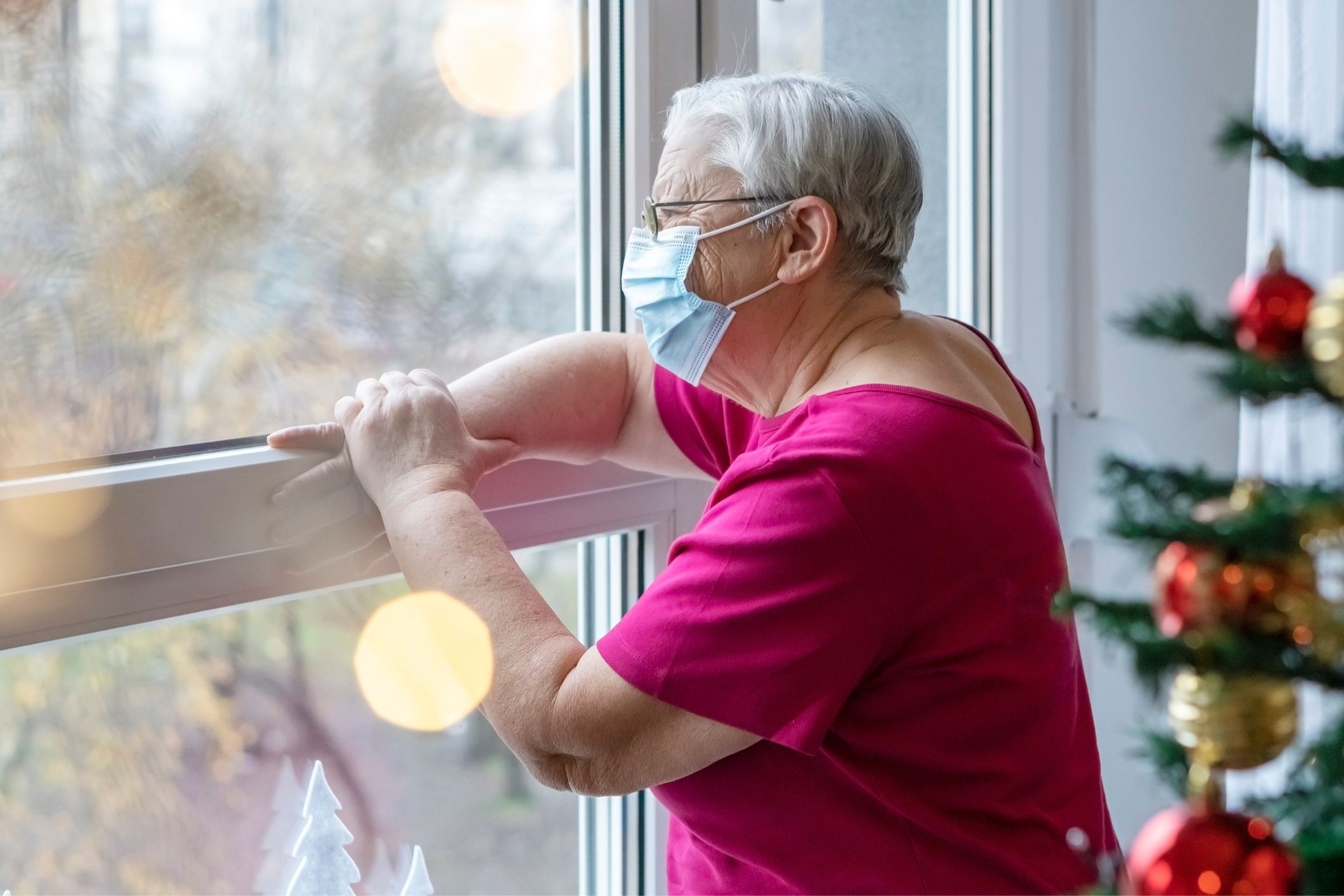
The Omicron strain is on the loose, and with soaring case numbers in the community across the country, it’s inevitable cases will seep into aged care homes.
On December 3, there were 28 active outbreaks in aged care homes around Australia. That number rose to 36 on December 10 and 54 on December 17.
There are currently 868 cases in residential aged care and the trend is upwards.
It’s understandable that providers will be doing all they can to avoid repeating the horrors of previous outbreaks.
But some facilities are still going beyond government guidelines and imposing tough restrictions on visitors to aged care homes residents, even though it is possible to contain COVID-19 without harsh lockdowns.
The New Daily journalist Michael Pascoe writes that his mother-in-law has been confined to her room after a staff member tested positive after working last Friday. She is not allowed visitors.
When anyone at the home tests positive, 14 days of lockdown begin all over again.
If there are no further cases, residents will be allowed out on New Year’s Eve – having missed a long-awaited Christmas at home with the family.
Pascoe’s mother-in-law will eat Christmas lunch alone in her room.
Council on the Ageing (COTA) chief executive, Ian Yates AM, told HelloCare that for the main part, COTA hears of aged care homes “working really hard” to facilitate essential visitors and named visitors.
But COTA has also heard of a small number of complete visitor bans, as well as “much stronger restrictions” on visitors and visitor restrictions “changing without communication”.
Some providers simply “close the doors” when there’s an outbreak, he said.
Another problem for providers are the “inconsistencies and confusion” over “unsophisticated” state or regional health requirements.
Yates believes that if providers don’t handle visitor restrictions sensitively for this outbreak, the potential for “reputational damage to residential care will be bigger in this phase than it was last year”.
The aged care occupancy rate is already at a historic low of 88%, and Yates believes if visitation is not handled better, it could fall even further.
“Last year it was all shock and awe for everybody, but the world has changed and people are going to say, ‘Why would we let our relatives go there when we might not even be able to see them?’” Yates said.
What do the guidelines say?
The Industry Code for Visiting Aged Care Homes states that “essential” visitors should continue to be allowed into aged care homes, even during ‘code red’ outbreaks.
The Communicable Diseases Network Australia’s (CDNA) National Guidelines for the Prevention, Control and Public Health Management of COVID-19 Outbreaks in Residential Care Facilities in Australia says visits should be restricted, with the exception of those for essential and compassionate reasons.
The usual medical care, including essential allied health and mental health care, should be facilitated in an outbreak.
“It is important that services that maintain the physical and emotional wellbeing of residents continue to be provided as much as possible,” the guidelines state.
Of course, most aged care providers adhere to the regulations and go to great lengths to avoid risking non-compliance with public health orders.
Share your experiences with us. Do you have a loved one who won’t be allowed out or have visitors this Christmas?



Firstly there will be many people in the community of all ages eating Christmas lunch alone this year and sadly that has always been the case.
On the other hand those nursing home residents reported here to be eating alone will be served a sumptuous lunch from caring nurses and after lunch they will have a nap in a freshly made bed after being helped to the toilet etc.
Plenty of familiar faces around,nurses and other residents all looking out for each other
So who do you think is doing it tougher? Is there any gaurantee that lonely old folk at home will get any lunch whatsoever! Also probably crawling into an unmade and unwashed bed and can’t afford to put on the airconditioning.
Worth thinking about.
It’s so easy to criticize isn’t it!
A facility is “over doing it” if the have safety protocols in place but when someones parent dies of Covid you know full well that it will be the facilities fault for doing too little.
Let’s not forget that nursing home residents have people around them all the time, they don’t go into a vaccume when family leave. Staff and other residents are their “other” family and while they won’t replace their own grandkids they are a wonderful friendly familiar face right there with them when they need it.
I’d rather be in a secure nursing home than stuck home alone with no one around.