Since the beginning of the coronavirus outbreak, we’ve all been well informed about the signs and symptoms to look out for. Things like shortness of breath, fever, and flu-like symptoms have been on the global radar since March. While we’ve written before about some of the unexpected symptoms of coronavirus, new studies have now shown that there may be even more physical symptoms associated with the disease than we originally thought.
As more people are diagnosed, treated and observed, it’s becoming clear that more than just the lungs are being affected. Researchers have realised that there are several skin and hair conditions that are being associated with an infection of coronavirus.
Conjunctivitis has been associated with more severe cases of the disease, and comes on in the later stages of the illness.
Commonly called ‘COVID-Toes’ this can affect both hands and feet, sometimes at the same time. The discoloured skin can be painful, itchy, and can sometimes result in small blisters. Most commonly found in children, the patches appear later in the disease after other symptoms have arisen.
The “maculopapular eruptions” have been linked to more severe cases of the disease and are widespread across the body
A rash associated with multisystem inflammatory syndrome in children can occur up to three months after the infection. The inflammation is caused by an “immune system overdrive” and can result in blood clots and shock symptoms.
These small “fluid-filled micro-blisters” can come on early in the infection, or at any time, and are commonly found on the hands. Associated with more mild infections, they can last over ten days.
These red-blue fishing net patterned discolouration is often found in severe cases. The peculiar pattern is thought to be due to blood vessel blockages that are part of the body’s immune response to the virus.
Pink or red rashes that are itchy and can be either tiny or cover large areas of skin. They may present as blotches or raised lumps, and could dissipate within minutes or hours, but appear to come and go. Hives have also been associated with more severe cases and can occur along with other symptoms.
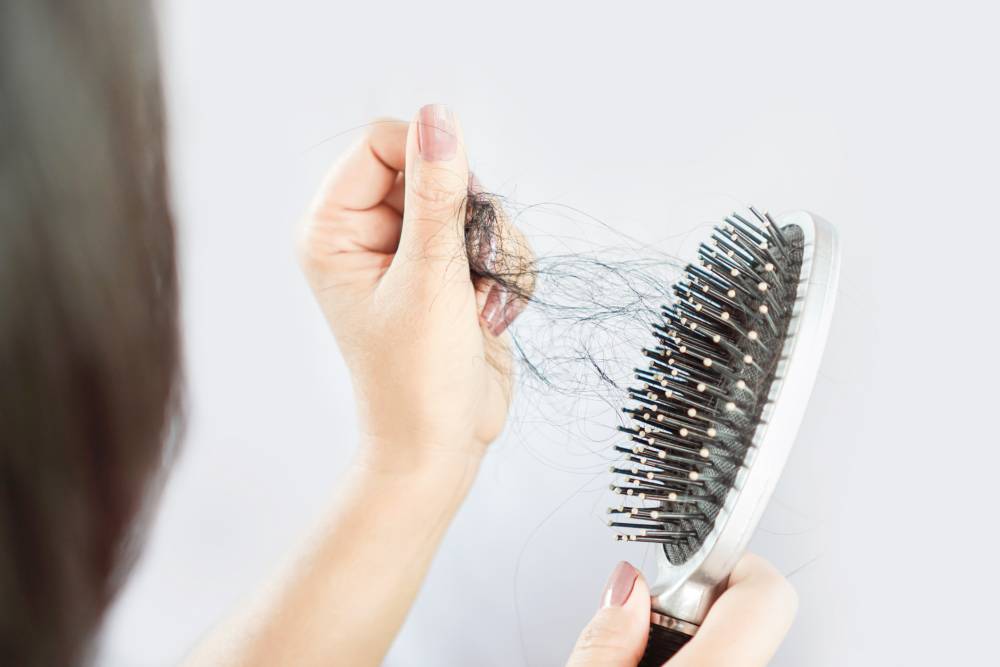
In times of physical stress, the body will shut down unnecessary activity. Common in other severe illnesses, the hair begins to fall out. Thankfully, hair growth can be expected to recover after the infection, as long as your iron levels are normal.
As the world continues to battle coronavirus and the global infection rate, we’re seeing more and more impacts, symptoms and side effects on the human body. It’s becoming increasingly important that we continue to do the right thing in order to protect ourselves and our community if we are ever going to return to normal.
Stay at home, wear a mask, keep vigilant.


