It often starts small. A parent who insists they’re “not very hungry these days”, or says they’re happy with “just a cup of tea and some toast” because it’s easier.
For many older adults, it is. A declining appetite, health conditions, mobility challenges and the effort of cooking for one can make meals like tea and toast the simplest option.
The problem is when it becomes the norm rather than the exception. Over time, relying on meals like this can have serious consequences, leaving families wondering how best to support the people they love.
Malnutrition, or more specifically undernutrition, develops gradually when the body is not receiving enough protein, energy and nutrients over an extended period.
At first, it can go under the radar. Increasing tiredness, less interest in food, tightening the belt another notch, or picking up frequent colds are all possible signs. If left unchecked, malnutrition can cause physical and cognitive decline, increasing the risk of weight loss, falls, injuries and hospital admissions, and ultimately reducing quality of life and independence.
It’s far too common, affecting almost 10% of older adults living at home, with another 40% at risk of malnutrition.
These symptoms are not a normal part of ageing. They indicate the body is not receiving what it needs. The good news is that early support can help prevent malnutrition from progressing.
Nutritional needs change throughout every stage of life, and getting older is no different.
Adults over 70 years need 25% more protein to help maintain muscle strength, mobility and overall health. Calcium, vitamin D, zinc and vitamin B12 are key to keeping bones strong while supporting immune health and healthy brain function. Fibre and proper hydration are also essential for maintaining good gut health and overall wellbeing.
A balanced diet that includes vegetables, fruit, grains, protein and dairy helps meet these requirements. That’s where Meals on Wheels can help, with meals designed specifically to address these needs.
Menus are reviewed by Accredited Practising Dietitians and supported by the National Meal Guidelines, Australia’s first evidence-based, consistent nutrition framework for meals delivered through the Commonwealth Home Support Programme (CHSP) to support ageing well at home.
From soups, sandwiches and main meals to snacks and desserts, menus are updated seasonally to offer plenty of choice while supporting individual preferences and requirements, including allergy-friendly and texture-modified options.
For many older adults, mealtimes can be a lonely experience. Eating alone can reduce both appetite and enjoyment of food. Research has found that older adults who regularly eat alone are up to 29% more likely to experience significant weight loss.
That’s why Meals on Wheels is more than just a meal.
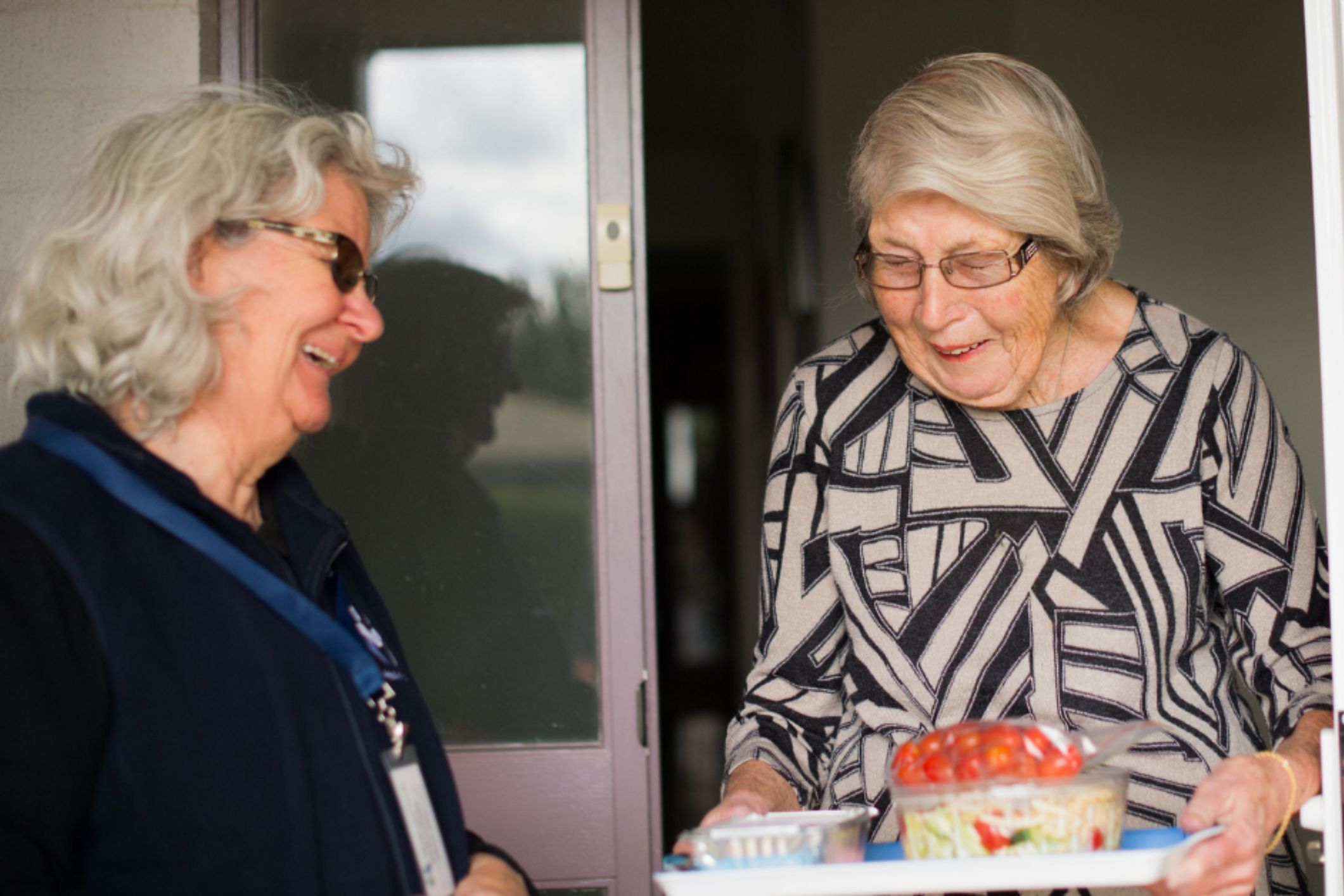
Every delivery is made by a local volunteer, a familiar, trusted face at the door. Along with a warm smile and friendly conversation, volunteers provide a wellness check, acting as another set of eyes to notice when something isn’t quite right and alerting the service if any concerns arise.
Some Meals on Wheels services in NSW also offer regular community lunches, providing much-needed social connection.
For many families, that regular visit provides reassurance that someone else is looking out for the person they care about.
For David, living with Stage 3 kidney disease means everyday tasks can be exhausting. With 80% of people aged over 65 living with a chronic health condition, he is not alone.
“By the time I cook a meal, I’m either too tired to eat it or don’t want to eat after cooking,” David says.
Receiving Meals on Wheels has helped him maintain a healthy weight while taking away the stress of planning and preparing meals.
“Otherwise, I’d be that skinny,” David says. “It’s healthy food!”
For Lilian, living with multiple health conditions means paying close attention to what she eats. Knowing there are meals that meet her dietary needs gives her confidence and choice.
“I’m asthmatic and I’m diabetic, so I have to watch what goes in,” says Lilian. “They have such a wide selection of foods that I can eat and I like very much.”
But when asked what Meals on Wheels means to him, David doesn’t just talk about the meals.
“They don’t just drop meals off,” he says. “They’re a bit of a break in the day. It’s not just the food they provide, it’s the friendship.”
If you’ve noticed a loved one eating less, losing weight or relying on the same simple meals every day, don’t assume it’s just part of getting older. These changes can be an early sign that they need extra support.
Starting the conversation with their local Meals on Wheels service in NSW can make all the difference. As a not-for-profit organisation, Meals on Wheels puts people first, providing nutritious meals, social connection and a friendly face at the door to help older people stay healthy and independent while giving families peace of mind.
To find your local Meals on Wheels service in NSW, call 1300 679 669 or visit www.nswmealsonwheels.org.au