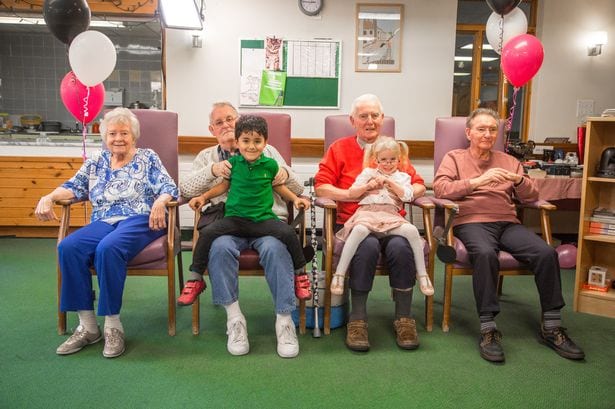
A BBC documentary, The Toddlers Who Took On Dementia, follows a bold new experiment, where pre-school children spend 3 days with elderly people who are living with dementia at the Llys Elian centre in Wales.
The series documents a carefully planned activity designed to restore memories and revive former personalities.
The activities were also developed to be interesting and engaging for both the young and old.
Psychologists from Bangor University in the UK developed the activities, guided by Emeritus Professor Bob Woods to test whether the children can help bring the adults back from their memory loss and to tap into the memories of their younger years.
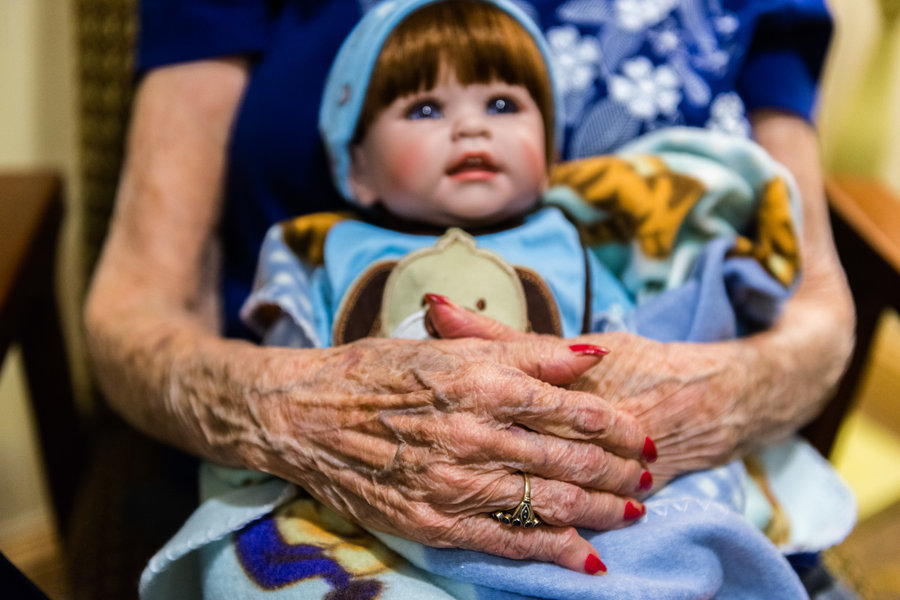
Maureen, one of the elderly ladies that appears in the series had not spoken since she was diagnosed with dementia in 2012. Maureen who gained comfort from her baby doll, emerged from her room, where she usually sat alone, and joined the group who were playing with dolls.
She began joining in with the children’s activities, and asked one of the toddlers if she was “coming back”, the first words she had uttered in years.
On the second day, Maureen put her doll aside, and joined a boy who was cooking – an activity that she had enjoyed in earlier years.
An older gentleman David, who is living with dementia and a four year old boy, Leo, who is diagnosed with Autism strike up an unlikely friend through their love of cars. David, who was once a chauffeur of 25 years, enjoys a car ride with Leo.
The psychologists planning the activities organised for them to take a drive in an Austin Westminster, the kind of car that John had once driven.
After the ‘reminiscence journey’, John recalled what it was like to drive his car on rainy days. David’s daughter says her father’s friendship with Leo has brought a spark back into his life.
Other activities included singing and exercise classes.
Even though the filming had now been completed, the children still visit their elderly friends once a month, and close bonds have been formed.
The children enjoy the company of their older friends. Likewise the elderly living with dementia at the home enjoyed the lively company and the physical contact that children provided, alleviating some of their loneliness, and lessening their symptoms.
The documentary reveals just how real the benefits of spending time with children can be for those living with dementia.


