Mar 23, 2020

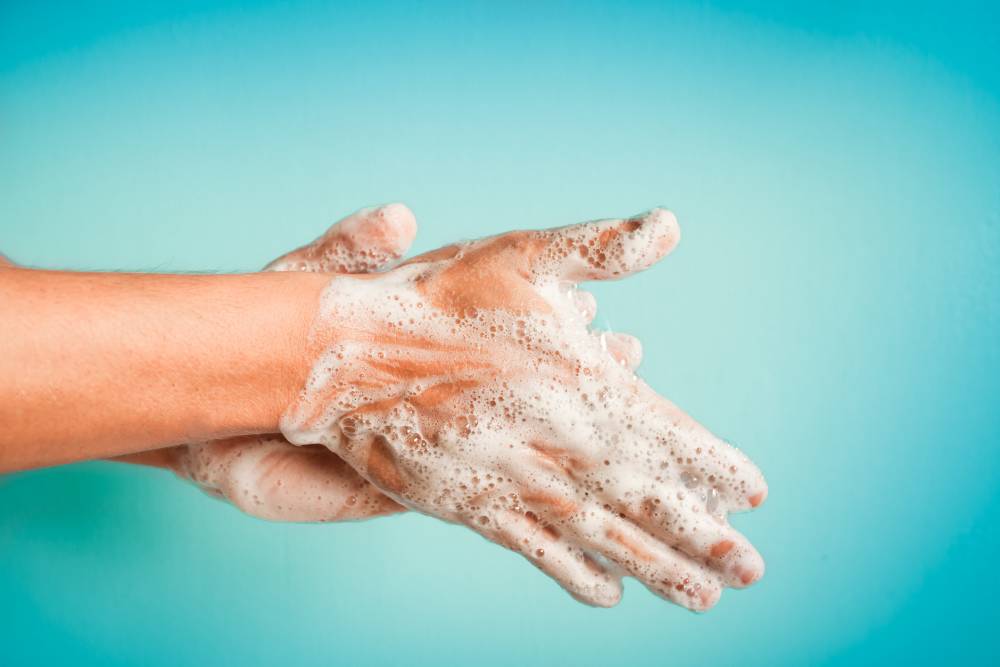
Are you washing your hands properly?

iStock-928613084

Washing your hands might be something you do every day without giving it much thought. But in the age of coronavirus, hand washing has taken on a new significance.

Proper hand washing has been identified as one of the best ways to avoid getting coronavirus and one of the most effective measures to prevent its spread.

A key plank of the World Health Organisation’s official advice about protecting ourselves from coronavirus is to wash our hands often with soap and water.

Hand washing has taken on such importance, Neil Diamond has rewritten one of his classic songs to encourage us all to wash our hands.

How does coronavirus spread?

COVID-19 is a new disease, so there is no immunity to it in our community. This lack of immunity means COVID-19 can spread widely and quickly, and we have seen that happen in countries like China and Italy.

The virus can spread from person to person through contact with an infectious person, contact with droplets from an infected person’s cough or sneeze, and touching objects or surfaces, such as door handles or mobile phones, that have cough or sneeze droplets from an infected person on them – and then touching their mouth or face.

It’s not that nice to think about.

Because people touch their faces so often – one study found people touch their faces 23 times an hour – the disease is often spread by a person touching a contaminated surface and then transporting the germ on their hand to their nose, mouth or eyes.

According to the World Health Organisation, we should be washing our hands after:

  • we cough or sneeze
  • when we have been using public transport
  • before we eat
  • before we prepare food
  • after we handle animals
  • when we have cared for someone who is unwell.

Who hasn’t washed their hands?

Aged care providers all over Australia have been updating their hand washing advice and instructions, offering training and reminders of this simple, but proven measure in the fight against disease.

But here at HelloCare we have become aware that not all aged care staff are adopting the recommended hand-washing procedures. We have heard of aged care staff members washing their hands while wearing gloves, and using hand sanitizer on their gloved hands.

What’s the correct way to wash your hands?

This is the correct way to wash your hands.

  • Turn on the tap and leave it running to avoid having to touch again.
  • Wet your hands.
  • Get enough soap to cover both your hands.
  • Rub your hands together under the running water. 
  • Rub the front and back of your hands, and between your fingers.
  • Wash your hands for at least 20 seconds. Children, or those who feel inclined to, can sing ‘Happy Birthday’ twice to make sure they have washed their hands for long enough.
  • Use soap. Germs on your hands are attached to fats, oils and debris on your skin. Soap dissolves this layer and therefore it does a better job of dislodging bugs than simply rubbing your hands together under running water.
  • Use liquid soap – it’s less likely to be contaminated with germs. (There’s no proof antimicrobial soap is more effective than regular soap.)
  • Use running water, otherwise any contamination washes back into the water you are using.
  • Use warm water. It’s less drying for your skin.
  • Rinse off the soap under clean running water.
  • Dry your hands on a disposable hand towel.
  • Use the hand towel to turn off the tap.
  • Dispose of the hand towel.
  • If you don’t have access to water, use hand sanitiser or gel that contains at least 60 per cent alcohol.

When should you wash your hands?

It’s also important to think about when aged care workers should be washing their hands.

The ‘5 moments for hand hygiene’ model defines the occasions healthcare workers should perform hand hygiene. 

The 5 moments for hand hygiene are:

  • before touching a patient
  • before clean or aseptic procedures
  • after body fluid exposure or risk or exposure
  • after touching a patient
  • after touching patient surroundings.

Have you changed the way you wash your hands in response to coronavirus? Have you seen others not washing their hands properly? 

Leave a Reply

Your email address will not be published. Required fields are marked *

Advertisement
Advertisement
Advertisement

Visitor clash between aged care providers and government heats up

Aged care providers are maintaining tight visitor restrictions despite a flood of complaints to the Quality Commission and following a meeting with the aged care minister, during which he echoed the prime minister’s calls for lockdowns to be lifted. Visitor bans have emerged as a deeply contentious issue in Australia during COVID-19, as we have... Read More

Should aged care staff be paying expenses out of their own pockets?

  Aged care staff are paying for work expenses out of their own pockets, despite it being a widely acknowledged fact they are underpaid. All too often home care staff will pick up the tab for an outing with a client, paying for their client’s coffee or movie ticket on a day out. On their... Read More

Dealing with agitation and aggression in dementia

Agitation and aggression are common symptoms of dementia, and can be extremely challenging to manage, not only for the person experiencing the symptoms, but also for families and carers. But new research is shining a light on this complex field, and has revealed that non-pharmacological interventions, such as touch therapy, outdoor activities, and music, can... Read More
Advertisement
