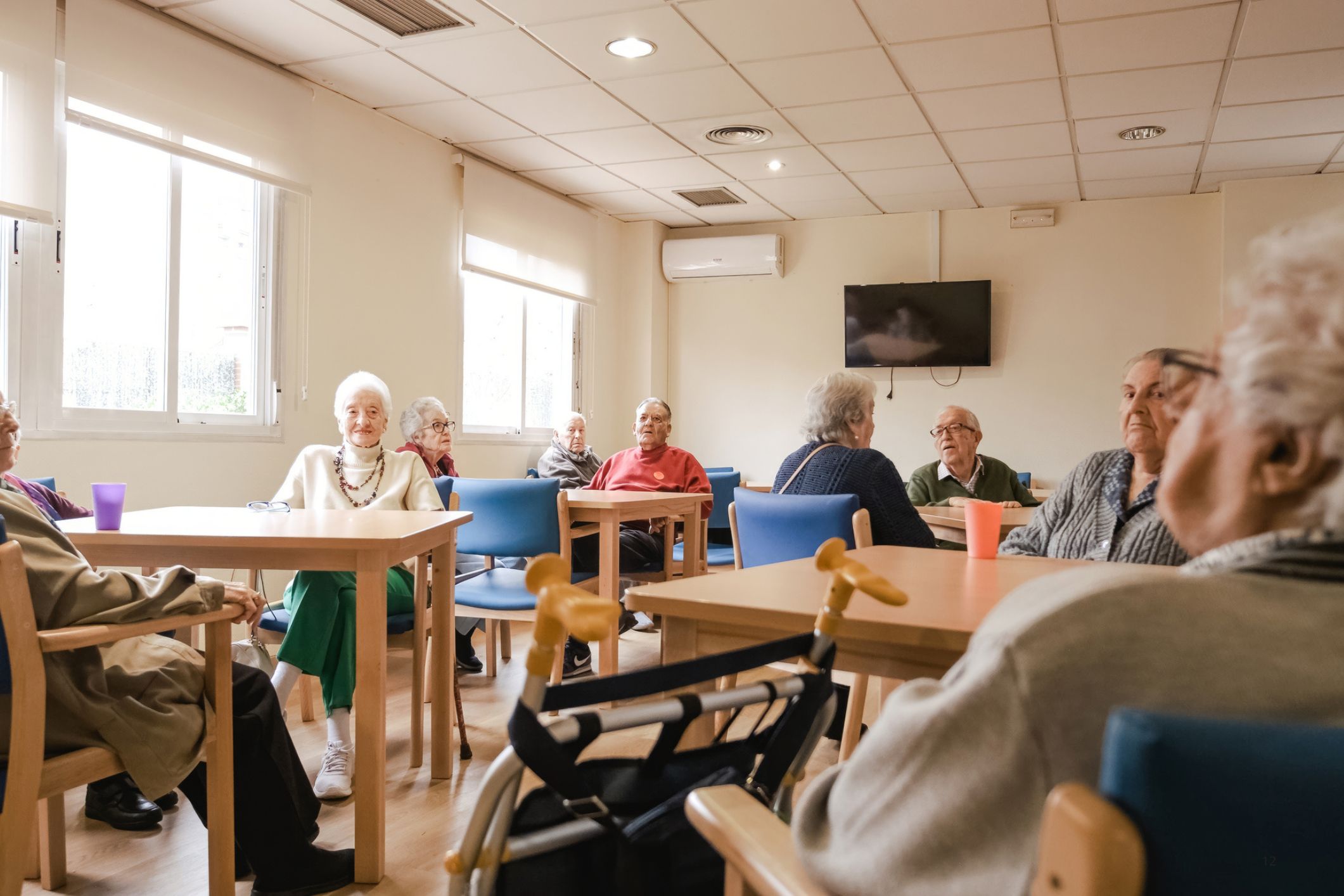
As aged care evolves, providers are increasingly exploring ways to offer enhanced lifestyle experiences for residents. The introduction of Higher Everyday Living Fees (HELF) has created new opportunities to provide premium dining, activities and hospitality services that go beyond the core government-funded offering.
But as the sector navigates this shift, an important question emerges.
How do these models work for residents living with cognitive impairment?
For many aged care leaders, this is where theory quickly meets reality. A significant proportion of residents are living with dementia or other conditions that affect their decision-making capacity. While the system encourages consumer choice and personalisation, providers must also ensure residents are protected from financial decisions they may not fully understand.
Balancing these two responsibilities requires careful thought, clear systems and well-trained frontline teams.
In principle, HELF models are built on the idea of choice. Residents who wish to access enhanced dining experiences, premium lifestyle activities or additional hospitality services can choose to do so.
However, when a resident no longer has the cognitive capacity to understand the cost implications of those choices, the situation becomes more complex.
Staff may find themselves in difficult situations. A resident may ask for a premium meal, an extra activity or a special treat. On the surface, it seems like a simple request. But if that resident does not have financial authority over their spending, the staff member is left navigating an ethical and operational grey area.
The goal must always be to preserve dignity while ensuring appropriate financial safeguards are in place.
One of the most effective ways to avoid confusion is to establish clear financial consent arrangements at the beginning of a resident’s stay.
During admission discussions, providers should work with families or financial guardians to clarify who has authority over discretionary spending. These conversations should include clear guidance on how optional lifestyle purchases should be handled.
Some families may be comfortable allowing small purchases such as café items, treats or occasional activities. Others may prefer that all additional expenses require prior approval.
By documenting these preferences early, homes provide staff with a clear framework to follow.
A practical approach adopted by some providers is the use of discretionary spending limits.
For example, a family may approve a small monthly allowance that can be used for optional lifestyle purchases. This allows the resident to continue enjoying small moments of choice, such as a coffee, a dessert or an outing, without creating the risk of unexpected or significant charges.
Once the limit is reached, further purchases simply require family approval.
This approach allows residents to maintain a sense of independence while ensuring financial protections remain in place.
Frontline staff are often the people who experience these dilemmas most directly. A hospitality worker serving lunch or a lifestyle coordinator organising activities may be the one asked by a resident for something outside the standard offering.
Without clear guidance, these situations can become uncomfortable for everyone involved.
Homes should ensure staff have access to clear resident spending profiles that outline whether purchases are permitted, who holds financial authority and whether spending limits apply.
Equally important is training staff on how to communicate these situations sensitively. Residents should never feel they are being denied something because of financial constraints.
Instead, staff should be supported to redirect conversations in ways that maintain dignity and inclusion.
Another way to reduce financial tension is to design experiences that feel inclusive.
Rather than focusing purely on individual upgrades, homes can create shared events such as themed dining nights, afternoon tea gatherings or ice cream trolley rounds. These experiences can be included in HELF packages while still allowing other residents to participate through occasional purchases or pre-approved spending arrangements.
This approach shifts the focus away from individual transactions and towards community experiences.
As the aged care sector continues to evolve, HELF and similar models are likely to become more common. Residents increasingly expect choice, and many are willing to pay for enhanced lifestyle experiences.
But for these models to work successfully, they must be implemented thoughtfully.
Providers must ensure systems protect residents who are unable to make financial decisions independently. At the same time, homes must avoid creating situations where residents feel excluded or embarrassed.
Ultimately, the goal is not simply to offer more services. It is to create environments where residents can enjoy everyday pleasures, remain part of a community and feel respected, regardless of the choices made on their behalf.
Because in aged care, preserving dignity is always more important than the menu.



Staff are already overstretched just providing basic care. Now they have to deal with a have/have-not division within their community, and you’re asking them to monitor residents’ financial decisions?!
How do staff in dementia units manage the potentially volatile situation when having to explain every day why some residents aren’t getting their bacon?!
Yes, I’m angry about the introduction of HELF because it diminishes the care my husband receives.
As a Care Worker and Trainer/Assessor with over 26 years of experience, I am concerned that the introduction of additional services may place further pressure on an already high workload for care staff and the broader team.
In my previous experience, a similar model was implemented where residents who paid higher fees were offered extra services. This created confusion and distress among other residents who did not have access to those services. Many became upset and questioned why they were unable to receive the same level of care or amenities.
There were also initiatives such as “fine dining,” which, despite good intentions, were not well received. Residents consistently expressed that their priority was not fine dining, but rather simple, good-quality meals that were served hot and prepared to their liking.
On the other hand, some initiatives proved to be very successful. For example, a monthly ice-cream trolley was greatly enjoyed by residents and created a positive atmosphere. Similarly, a trolley service offering items such as magazines, confectionery, and personal care products worked well, particularly for residents who were unable to leave the facility but had the means to make purchases.
Based on these experiences, I believe it is important to carefully consider the impact of introducing tiered or additional services, ensuring they align with residents’ preferences while maintaining fairness and not adding undue strain on staff.