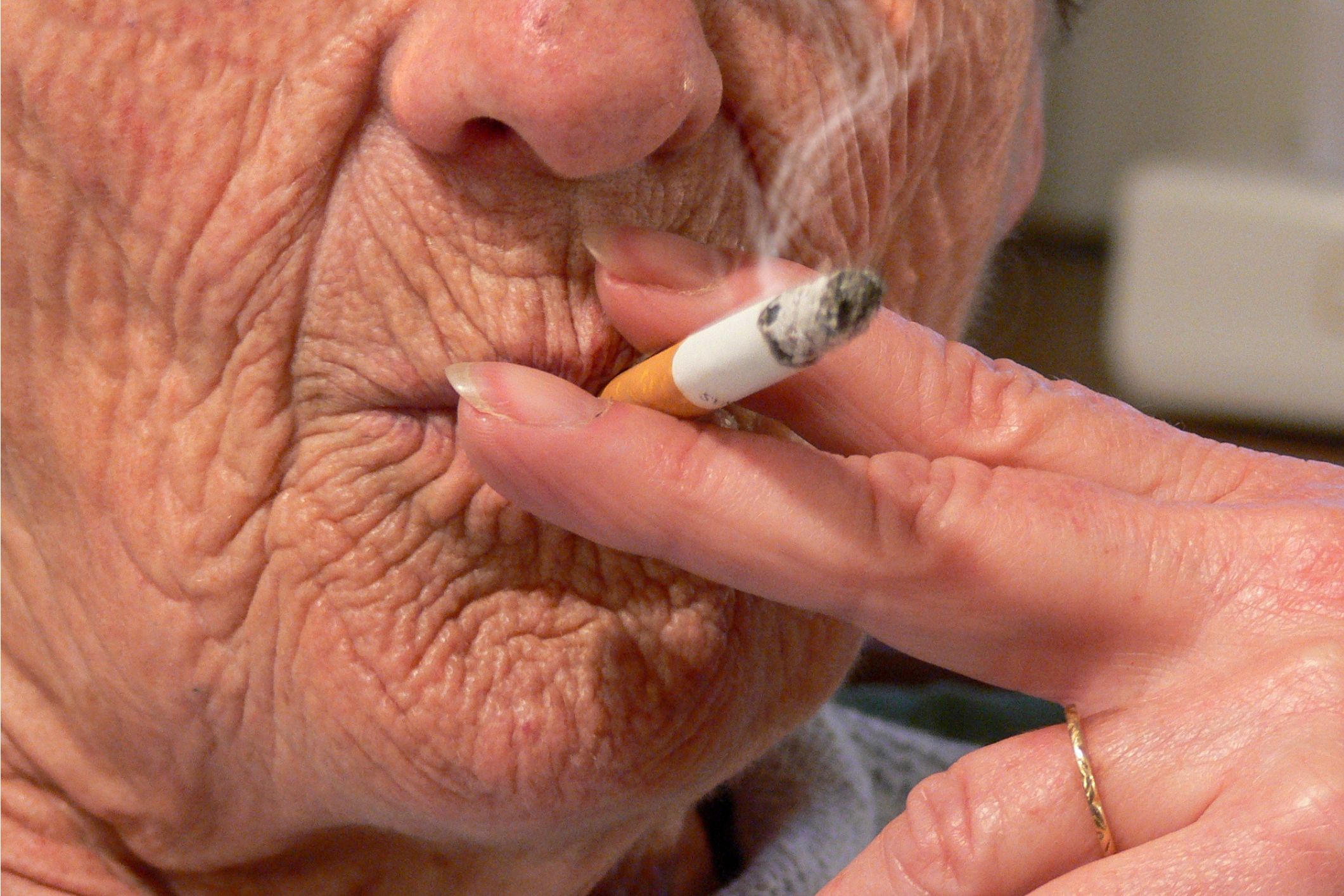
Two days removed from the ABC’s expose on price gouging in the retirement living which aired on 7.30, ABC Investigations has uncovered the troubling tale of 90-year-old Maurine Moore who found herself facing unbearable pressure to vacate her home in a Melbourne retirement village due to her smoking habit.
An experienced child psychologist, Maurine had called the village her home for 15 years, but circumstances took a dire turn, leading her to contemplate suicide.
Maurine’s troubles began in earnest when she received a letter threatening eviction just days before Christmas 2020, due to her repeated breaches of a smoking ban that had been instituted in 2019.
This was a new rule imposed a decade after her arrival, based on a vote by residents to create a smoke-free environment throughout the village, including private spaces.
“I was really worn out,” Maurine recalled, her voice breaking as she reflected on the distressing experience. Her addiction to smoking, which started at the age of 16, returned after the mounting pressure from the village management became too overwhelming. “I was ashamed of it,” she admitted, expressing the emotional toll it had taken on her life.
The difficulties escalated after Maurine took legal action against the village management in 2017 for refusing to address issues in her library room, which had suffered extensive water damage.
While the repairs were eventually made, Maurine claimed that the management’s attitude shifted drastically, with one manager frequently questioning her mental state, as if she were suffering from Alzheimer’s.
Following the smoking ban, Maurine faced an onslaught of complaints, including allegations of a “putrid stench” emanating from her unit. She received a series of demanding letters detailing the alleged breaches of her rental agreement, which included extensive cleaning requirements and accusations of general uncleanliness.
In response to these claims, she staunchly defended her living conditions, insisting, “The walls were not yellow; they were lying.”
Despite her frail health and limited mobility, Maurine found herself embroiled in a protracted conflict with the management at Pinnacle Living. The relentless correspondence from the village’s legal team left her feeling isolated and distressed, prompting her to seek help from the non-profit Housing for the Aged Action Group (HAAG).
Shane McGrath, a worker from HAAG, labelled the village’s treatment of Maurine as “deliberate and reckless harassment,” urging management to cease their aggressive tactics.
As the pressure mounted, Maurine endured multiple hospital admissions, further complicating her already precarious situation. Despite attempts by HAAG to negotiate a reasonable resolution, including creating a designated smoking area, Pinnacle refused to budge, insisting that Maurine either comply with the smoking ban or face eviction.
In early 2022, she received a formal notice of breach, demanding her to vacate the property by May.
While HAAG sought an injunction from the Victorian Civil and Administrative Tribunal (VCAT), the ongoing stress had become too much for Maurine. “You’re made to feel isolated,” she shared, explaining how the atmosphere turned toxic and alienating.
Eventually, she signed a legal document agreeing to stop smoking on the premises, hoping to quell the situation. However, just days before Christmas 2022, she was caught smoking again, leading to threats of immediate eviction.
Ultimately, Maurine decided to leave the village in March 2023, feeling she had no other option. The financial implications of her departure were severe; Pinnacle offered to buy her unit at a price that would leave her with a fraction of its worth, as property values in the area had skyrocketed over the years.
Reflecting on her experiences, Maurine stated, “They have turned what could have been a pleasant old age into sheer hell.” Her distress culminated in moments of deep despair, as she confessed, “I contemplated suicide. I felt that bad.”
The situation surrounding Maurine’s case raises significant questions about the treatment of elderly residents within retirement villages, particularly regarding the power dynamics and the often-overlooked emotional toll of such disputes.
In a statement, Pinnacle noted that over 80% of the village residents had voted for the smoking ban and stressed the importance of maintaining community rules. Yet, Maurine’s harrowing experience suggests that the implementation of such policies must be balanced with compassion and support for vulnerable residents.



She won by bringing media attention to the situation. This retirement village has lost its reputation, for now. We need more of these cases exposed. It will make our aging population think very carefully before choosing a retirement village home.
And this was all taking place during the years of COVID-lockdowns, a traumatic global experience, where everyone’s home was their sanctuary. The bullying, predatory, and coercively controlling behaviours is deeply disturbing. Regardless of relationship status and financial circumstances, females in Australia are vulnerable from womb to tomb.