
One of the biggest sleep-related myths is based upon a misunderstanding of the relationship between age and sleeplessness. People commonly believe that sleeping difficulties occur as a direct result of the aging process. Notably, researchers have found that the aging process may actually be accelerated by poor sleep. Below is a look at the link between sleep disturbances and the aging process, and five strategies that can help improve your sleep quality.
The brain plays a key role in the sleep process. Researchers at the sleep and neuroimaging lab at University of California, Berkeley trace sleeplessness to the loss of brain connections that detect the body’s cues that it is tired. They found that older mice were not able to detect sleep cues as well as younger mice due to a decline in brain receptors, resulting in sleeplessness. In short, people sleep less as they get older because their brains do not think they are tired.
The Australasian Sleep Association is all-too-familiar with the high incidence of sleep problems in Australia, especially among older adults. With over one-third of adults in Australia reporting that they do not feel well rested in the morning, scientists’ efforts to understand the link between age and sleep problems continue to intensify. Failure to get enough high quality sleep can lead to the following problems:
As a result of these problems, sleep clinics in Australia are flooded with new patients in search of strategies to improve their sleep quality.
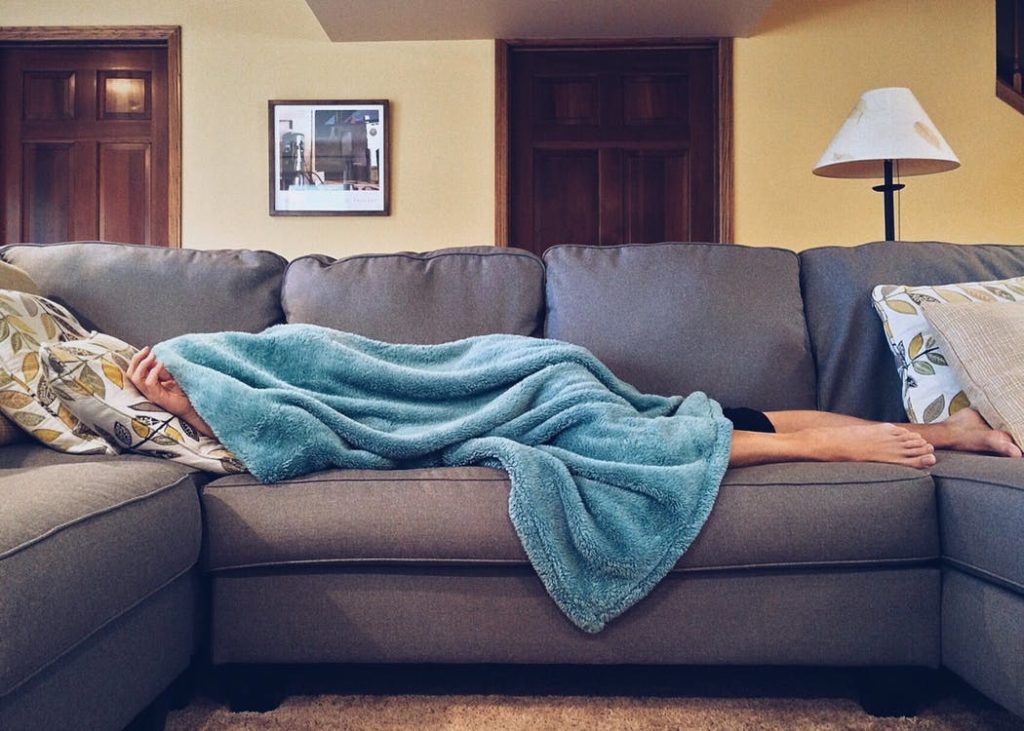
Clearly, there is a link between sleeplessness and the aging process. While we cannot turn back the hands of time, we can control our sleep habits. In addition to striving to sleep for seven to nine hours every night, you can help improve your quality of sleep by following the five strategies below.
Researchers from Appalachian State found that people who exercised in the morning slept longer and more deeply than those who waited until the afternoon or evening to exercise.
Exposure to sunlight bolsters your serotonin levels, increasing your alertness during the day and helping you sleep more soundly at night. Try sitting by the window at the office or carving out 15 minutes to go for a walk when the sun is out.
People enjoy the highest quality of sleep in a cool, dark, comfortable room that is free of distractions. Make sure that your blinds are tightly drawn and set your bedroom temperature between 60 and 64 degrees Fahrenheit.
Caffeine and alcohol can remain in your system for hours after consumption, leading to potential sleep disturbances. Limit your use of alcohol and caffeine during and after dinner to help avoid insomnia.
Creating a regular pattern of pre-bedtime activities can be comforting and can help you remove some of the stressors from your mind after a busy day. Lighting candles, listening to relaxing music, and reading a book are examples of activities that can be soothing and help prepare your body for sleeping.
The link between age and sleeplessness is far more complex than a simple cause effect relationship. As researchers continue to discover new ways that our sleeplessness ages us, it is up to take control of our sleep habits. By following the steps above, you can improve your sleep quality as you grow older.


