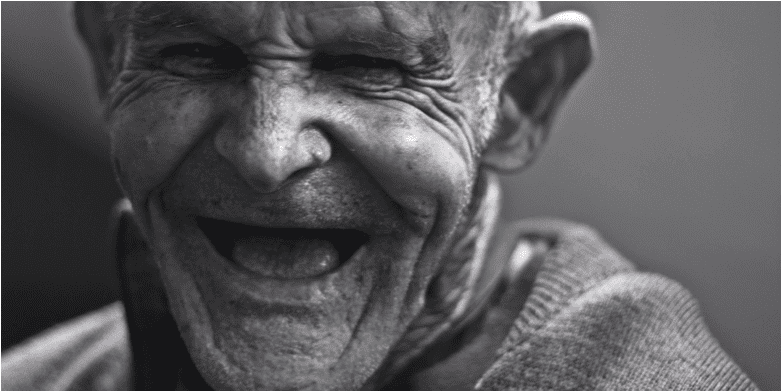
In the West we tend to fear getting older Mindfulness, as though life is being extinguished before we pass away.
As Carl Jung, the psychiatrist turned philosopher, wrote: “Are there perhaps colleges for 40-year-olds which prepare them for their coming life and its demands as the ordinary colleges introduce our young people to a knowledge of the world? No, there are none.”
Yet in recent times Western philosophers and scientists have turned to Eastern spirituality to see what they can learn and adapt to culture in the West. One aspect of Eastern thought which has deeply resonated is mindfulness and meditation.
Research indicates that is has the potential to make positive differences in the lives of seniors.
Drawing from many aspects of Buddhism, mindfulness is an approach to “being here now” and embracing the present moment.
It is practiced by Christians, Buddhists, atheists and everyone in between. People who embrace mindfulness report feeling happier, less anxious and more spontaneous.
It could be that mindfulness is the logical solution for helping prepare for living life as a senior.
“Breathing in, I know that I am breathing in,” says Buddhist master Thich Nhat Thich, describing the simplicity of mindfulness.
You don’t have to wait years to experience happiness. The feeling is always present in our lives. By simply becoming aware of your breathe, you connect with the miracle of being alive.
Many people are caught in their worries, fears, anger and regrets. You get stuck in the past or the future without ever really living in the present.
The goal of mindfulness is to gain control of that ever present moment, and let go of the any fear and anxiety that often comes with getting older and fearing death.
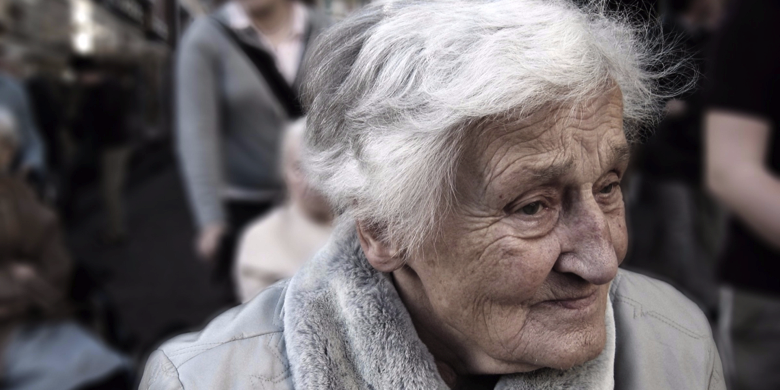
While not all of the reported benefits of mindfulness are easily tested, wide ranging research from quality education institutions are starting to reveal the scientific benefits of meditation.
Some of these benefits include:
A study published in the Journal of Personality and Social Psychology showed evidence that elderly practitioners of mindfulness meditation experience improvements in longevity. The study followed a large number of seniors and found a significant decrease in mortality rates among those who meditate.
Mindfulness and meditation have also been found to decrease loneliness, or rather. A UCLA study found that seniors who engaged in a simple eight week meditation program significantly decreased rates of self-reported loneliness. Since isolation is a crucial problem among seniors, this is a promising avenue of research.
It’s never too late to learn to practice mindfulness. A study in Geriatric Nursing indicated that teaching mindfulness meditation and related techniques in senior communities can help improve resident health and feelings of connectedness.
A double-blind study performed at Beth Israel Deaconess Medical Center indicates that meditation and breathing exercises may slow the progression of Alzheimer’s disease. Researchers believe that this may work by protecting the brain against anxiety and stress, which can worsen Alzheimer’s symptoms.
A study in Journal of Social Behaviour and Personality reportedly found that seniors who practiced meditation had significantly fewer hospitalisations. According to the study, the meditation group’s “five-year cumulative reduction in payments to physicians was 70% less than the control group’s [non-meditating group].”





