Sep 22, 2020

16 things I would want if I got dementia

  1. If I get dementia, I want my friends and family to embrace my reality. If I think my spouse is still alive or if I think we’re visiting my parents for dinner, let me believe those things. I’ll be much happier for it.
  2. If I get dementia, I don’t want to be treated like a child. Talk to me like the adult that I am.
  3. If I get dementia, I still want to enjoy the things that I’ve always enjoyed. Help me find a way to exercise, read and visit with friends.
  4. If I get dementia, ask me to tell you a story from my past.
  5. If I get dementia and I become agitated, take the time to figure out what is bothering me.
  6. If I get dementia, treat me the way that you would want to be treated.
  7. If I get dementia, make sure there are plenty of snacks for me in the house. If I have dementia I may have trouble explaining that I’m hungry.
  8. If I get dementia, don’t talk about me as if I’m not in the room.
  9. If I get dementia, don’t feel guilty if you cannot care for me 24 hours a day, seven days a week. It’s not your fault, and you’ve done your best. Find someone who can help you, or choose a great new place for me to live.
  10. If I get dementia and I live in a dementia care community, please come and visit me often.
  11. If I get dementia, don’t act frustrated if I mix up names, events or places. Take a deep breath. It’s not my fault.
  12. If I get dementia, make sure I always have my favourite music playing within earshot.
  13. If I get dementia and I like to pick up items and carry them around, help me return those items to their original places.
  14. If I get dementia, don’t exclude me from parties and family gatherings.
  15. If I get dementia, know that I still like receiving hugs or handshakes.
  16. If I get dementia, remember that I am still the person you know and love.

Visit Rachael Wonderlin’s website.

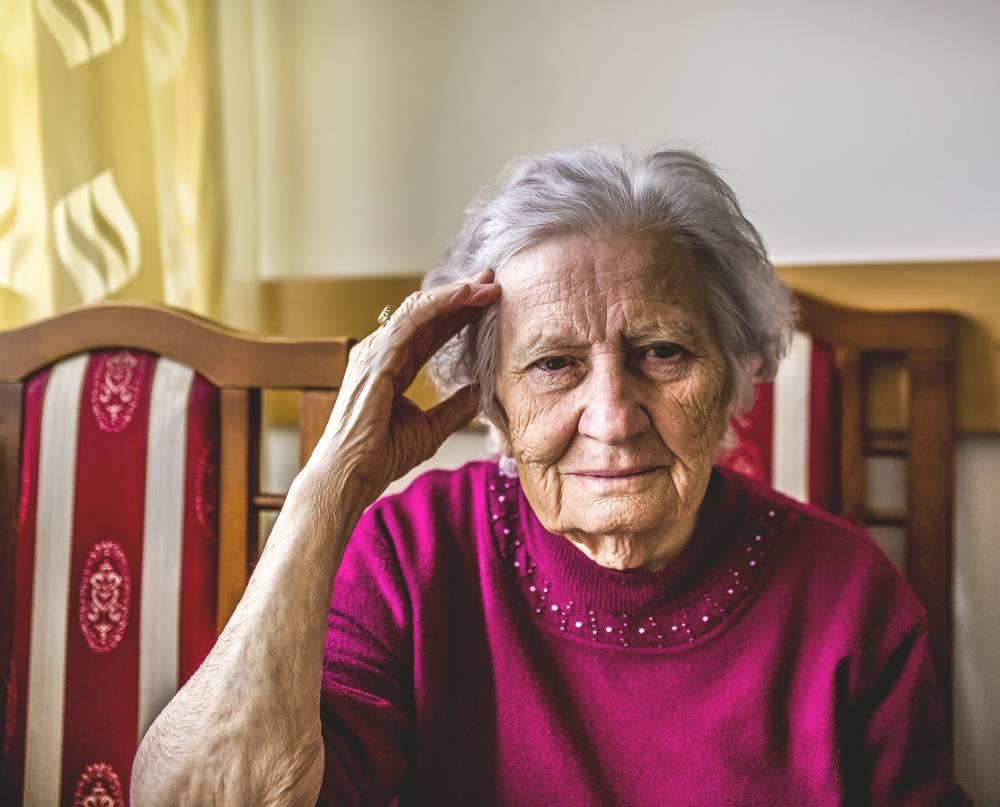
Image: Kali9, iStock.

Leave a Reply

Your email address will not be published. Required fields are marked *

Advertisement
Advertisement
Advertisement

Reablement and cognitive health: Changing the narrative

Cognitive decline does not have to mean the end of independence. Reablement shifts the focus from loss to capability, supporting people living with dementia to maintain confidence, connection and daily function for longer. Read More

The long shadow: how childhood trauma may shape the ageing brain

Did you know people who experienced trauma as children face a 76% higher risk of developing dementia later in life? New research is starting to explain why, and it centres on a surprising part of the brain. Read More

Why old dogs might be able to teach Alzheimer’s researchers new tricks

Could our ageing canine companions hold clues to better dementia treatments? Scientists have found links between brain changes in dogs with cognitive decline and those seen in people with Alzheimer’s disease, including a potential blood biomarker that could help researchers track the condition. Read More
Advertisement