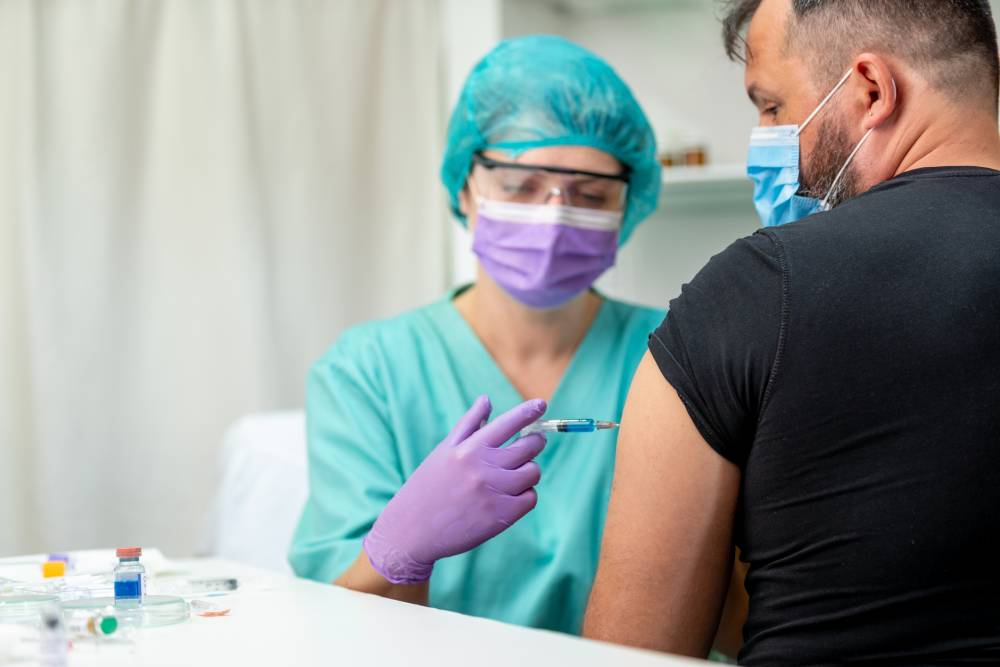
In the race to develop a viable vaccine for coronavirus, American company Pfizer, has announced their vaccine is currently sitting at a 90% success rate.
As one of four potential vaccines, the Australian Government has agreed to purchase it if it is successful. This news has come as a welcome relief and caused a surge of optimism as the battle against the spread of the virus continues.
So far, in early testing, results from the vaccine have shown promising results in 94 infections being treated in the trial. Pfizer, along with their German partner in developing the vaccine, BioNTech, are currently on track to apply to the US Food and Drug Administration (FDA) for emergency use of the vaccine.
Australia’s Federal Health Minister, Greg Hunt, said the Government would monitor any further results as Pfizer’s vaccine trials continue.
“The data on our vaccine candidates continues to be positive. We will examine the evidence carefully but the latest results are heartening news,” he said.
However, despite this good news, authorities have reinforced the fact that it is unlikely we will see a vaccine fully approved before the end of the year.
As testing continues on the Pfizer and BioNTech vaccine, it is clear that while these early results are encouraging, there is still a way to go before the vaccine is fully approved for use. As the trials continue, Pfizer has warned that this success rate may change and drop as more COVID-19 infections are added to the calculations.
While the study and the results are in their earliest stages, this positive result has given hope for the future of vaccines against the virus.
Dr Anthony Fauci, the United State’s top most expert on infectious diseases called the result “just extraordinary”.
“Not very many people expected it would be as high as that,” he said.
“It’s going to have a major impact on everything we do with respect to COVID.”
If the Pfizer vaccine continues to travel through trials successfully, they estimate they could have 50 million doses, enough to vaccinate 25 million people, available globally by the end of 2020.


