
Voluntary Euthanasia has been a “hot topic” in Australia for sometime now. With attempts to legalise assisted suicide having been rejected a number of times by the South Australian government, all eyes are on Victoria for new changes to legislation.
Should it pass, Victoria would be the first Australian state to allow assisted death in strictly defined circumstances
In December, when Premier Daniel Andrews announced plans to introduce assisted dying laws in Victoria, an advisory panel was set up to aid in the laws’ introduction in the second half of the year.
The advisory panel, chaired by former Australian Medical Association president Brian Owler, have received almost 100 submission and met with 300 people around the state to better understand how a new legislation can be introduced and managed.
This included looking at every aspect of new laws, from who should qualify to how the lethal dose should be administered and what qualifications are needed to help patients. The panel even examined if any insurance or liability issues may possible be raised.
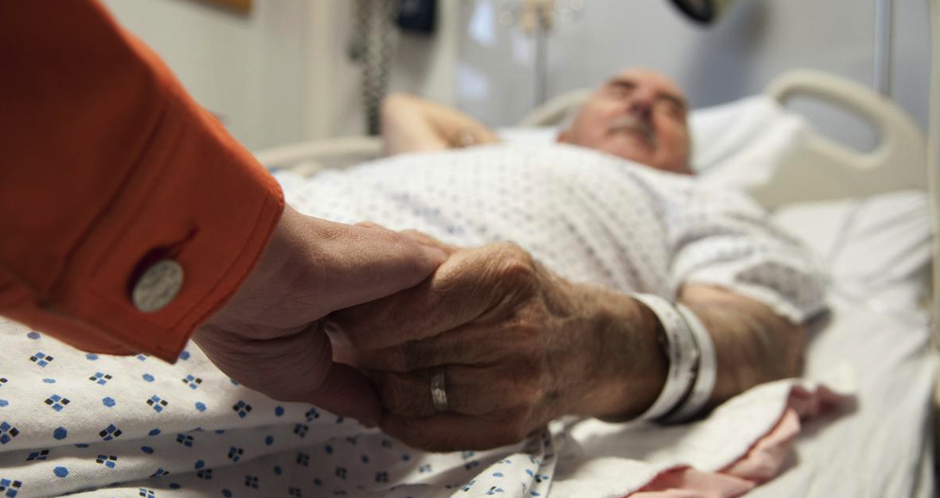
Should these new laws be introduced, it is expected that only people with decision-making capacity, who are suffering from “a serious and incurable condition and at the end of their life” will be allowed seek voluntary euthanasia. It is also required that the person is over 18 years of age, a Victorian resident and an Australian citizen.
Under the assisted dying laws that are being drafted by the Andrews government, doctors will have the right to refuse to help terminally ill patients who wish to die. However, this is provided that they don’t obstruct people from seeking the support somewhere else.
The panel is to recommend, in a high-level report by the cabinet, allowing doctors to hold a “conscientious objection” to physician-assisted death. Several doctors and nurses have advised that although they have an obligation to help ease the suffering of their patients, that medical practitioners should not be forced to participate in assisted suicide.
In Victoria, this “conscientious objection” is similar to the current provisions that allow doctors to refuse abortions.
On the other side, to ensure that there are strict precautions taken to prevent exploitation, doctors who attempt to pressure a person into dying could face criminal sanctions.
It is expected that any medical clinician who is willing to assist patients in ending their life, will be required to have extra training.
The advisory panel are set to submit their interim report to the government in the next few weeks, followed by a full report with recommendations in the middle of the year.



5