Aug 23, 2023

Dance and donate to support dementia cafes

Shutterstock_2052368663
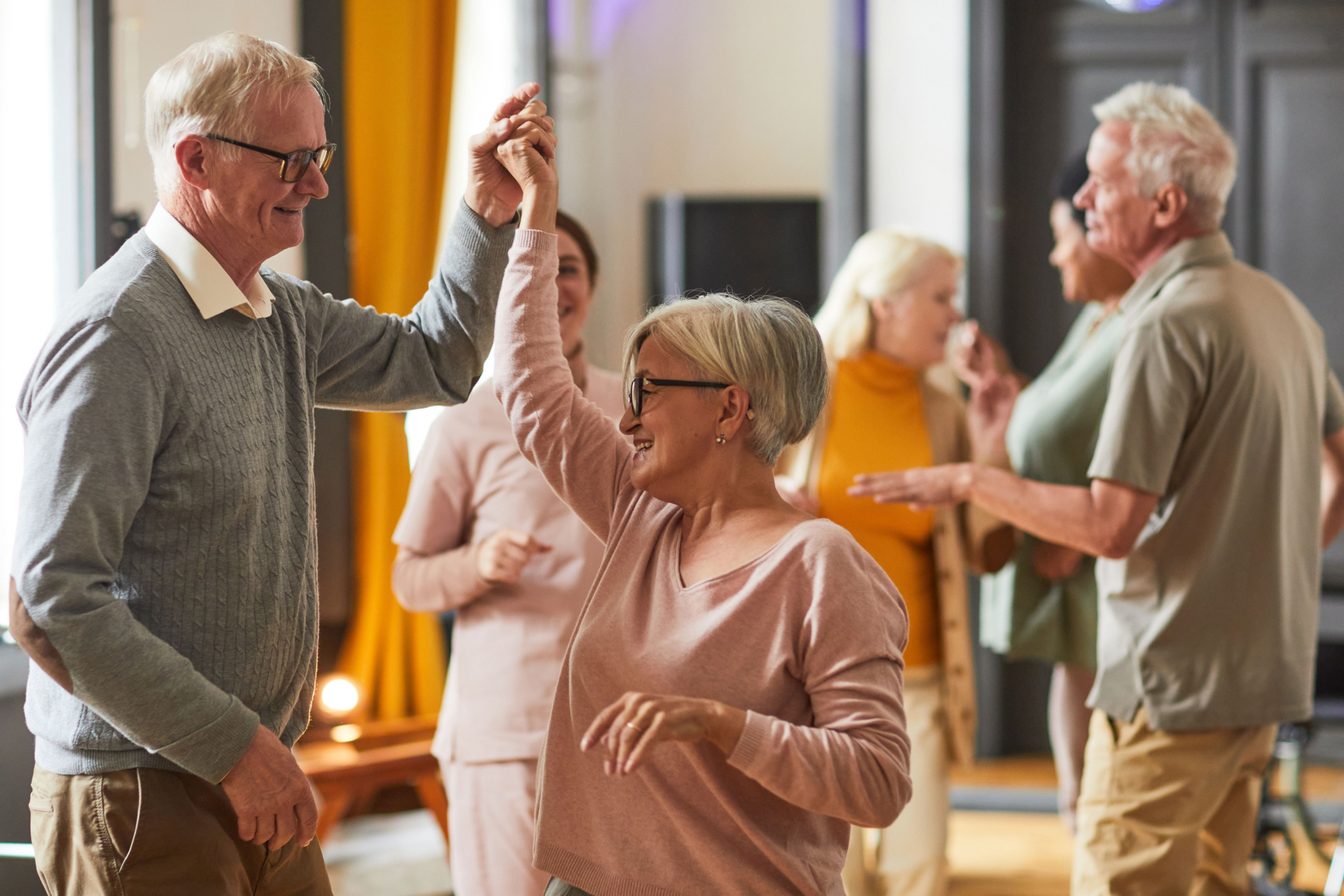
Next month is Dementia Awareness Month and advocates want to put their best foot forward and show support to those living with dementia and their loved ones. [Source: Shutterstock]

Key points:

  • About one-in-six Australians will need specialist dementia support in just over 30 years
  • Dementia is the second leading cause of death in Australia after coronary heart disease
  • Umbrella Dementia Cafes promote well-being, autonomy and a better social connection for people living with dementia, manned by a passionate team of volunteers with an understanding of dementia
  • To date, the organisation has facilitated over 600 dementia cafes in five

Humans have always turned to dance and music for distraction, healing and connection in times of trouble. In WWI it was the Foxtrot, Tango and Waltz; in WWII it was Jive, the Jitterbug and Swing. During the COVID-19 pandemic, people of all ages flocked to TikTok to produce choreographed dance routines to pop music. 

Next month will see the inaugural Dance Against Dementia fundraiser kick-off, raising crucial donations for Umbrella Dementia Cafes in Victoria. 

The Umbrella Dementia Cafe team is hoping to raise $100,000 to open more support cafes at this event full of music, dance and fun. Choose to host your own party or attend a massive communal dance-a-thon in person on Saturday, September 16, at the Box Hill Town Hall. 

Like visiting an Umbrella Dementia Cafe, attendees can enjoy new connections through shared experiences at the dance event, including activities, conversations and opportunities to sing and dance together in an environment that encourages genuine interaction.

 Why we are scientifically wired for dance

  • Research shows that regular dancing from the age of 30 can help reduce the onset of dementia and improve cognitive function
  • Dancing is good for your heart, reduces stress levels, increases social interactions, improves flexibility, coordination, strength and balance, and increases energy
  • Dancing increases serotonin levels, reduces depression and anxiety and contributes to overall improvements in mental health
  • Dancing develops new neural connections in the brain and increases growth factors between the neurons, especially in regions involved in executive function, long-term memory and spatial recognition

Umbrella Dementia Cafe’s Chief Executive Officer (CEO), Founder and former Registered Nurse (RN) Kirsty Porter knows the importance of the dementia cafe model for older people living with dementia. 

After 25 years in nursing, Ms Porter established the first Umbrella Dementia Cafe in 2016, inspired by her personal experience with her grandmother’s dementia and after visiting a community dementia cafe in the United Kingdom while on a family holiday.

“With such a high population of people expected to be living with dementia, reportedly double the number in 2023, young people today will become the key developers and decision makers for better dementia care, design and innovation.”

Can’t attend the Umbrella Dementia Cafe community dance event? Drop in virtually to show your support and ensure more cafes open in the future.

Register yourself, a loved one or a team for the dancing event at the Dance Against Dementia website

To visit an Umbrella Dementia Cafe, register your attendance through their website

Leave a Reply

Your email address will not be published. Required fields are marked *

Advertisement
Advertisement
Advertisement

Attacks on support services in Australia reach alarming heights

Read More

Government want your thoughts on Aged Care Code of Conduct draft

A draft of the Code of Conduct for Aged Care, released late September, has been developed to protect older people accessing aged care services and the Department of Health and Aged Care is looking for public review and consultation from people working in the aged care sector. Read More

Chemical restraint recommendation could lead to “substitution” of other drugs: royal commission

The royal commission’s proposed changes to the use of chemical restraint in aged care are mostly positive, but making it much harder to obtain prescriptions for antipsychotics could have unintended consequences, such as pushing residents onto other powerful medications, says a highly experienced aged care pharmacist. The commissioners have recommended that as soon as 1 November 2021, only a psychiatrist or geriatrician will be able to “initially prescribe” antipsychotics for aged care residents (recommendation 61). After that initial decision, GPs will be able to issue repeat prescriptions. Read More
Advertisement
