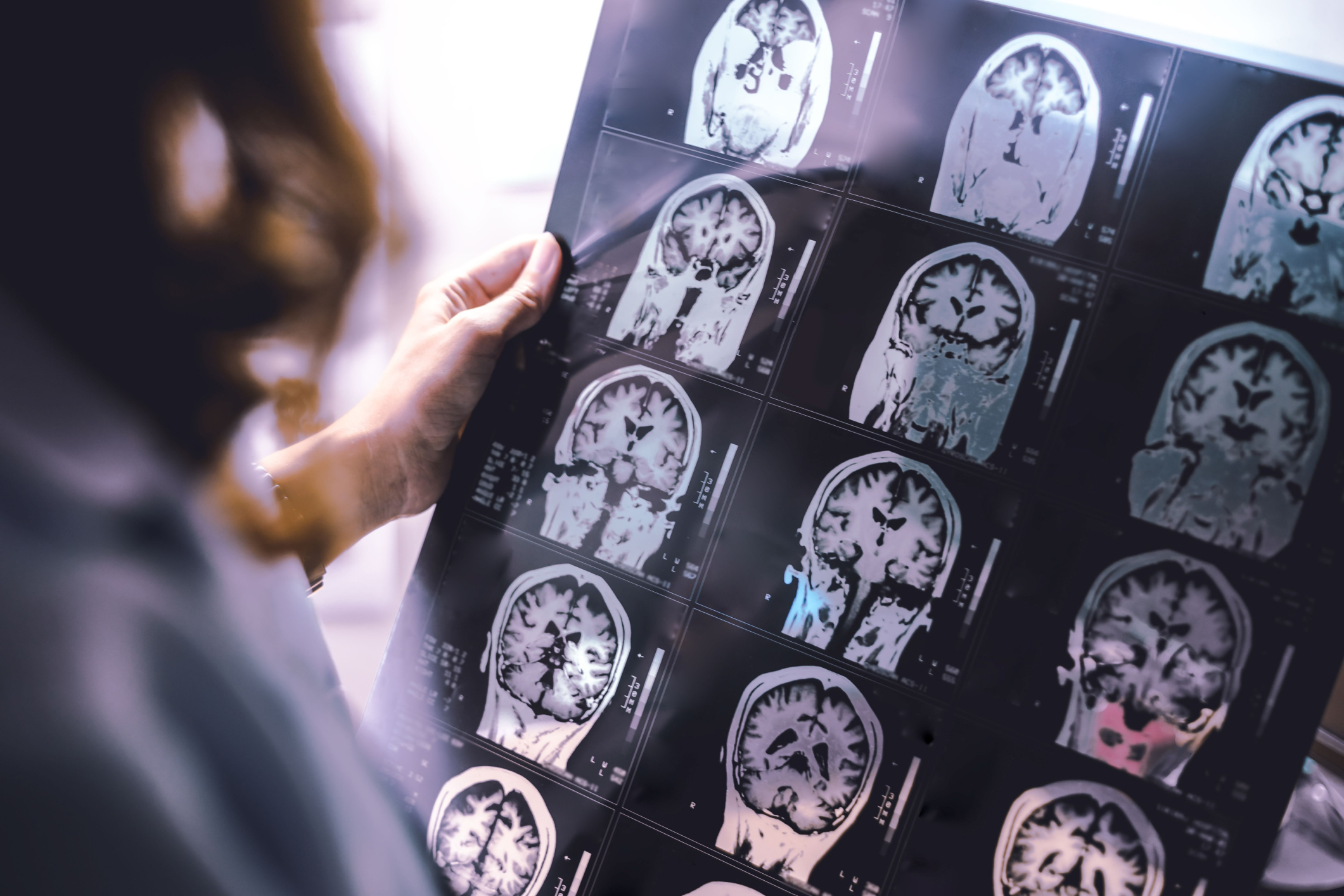
Health experts have launched an urgent investigation after a new UK study found five people contracted early-onset Alzheimer’s disease from growth hormones they were injected with from deceased donors.
The University College London (UCL) study followed a group of eight children who were inoculated with human growth hormone from deceased donors between the 1960s and 1980s to promote growth and increase adult height.
At least 1,848 patients in the United Kingdom were said to have received the treatment across the two decades but five of the eight study participants have since developed early-onset Alzheimer’s disease, experiencing symptoms severe enough to impair their daily lives.
Early-onset dementia is typically only detected in those with specific genetic risk factors, but the five patients studied all tested negative for these genes.
UCL researchers suggest the five affected patients may have received growth hormones contained by amyloid-beta protein plaques, which build up in the brains of people with Alzheimer’s disease over time.
These staggering results suggest strong evidence that dementia can be medically transmitted between people.
The practice was banned worldwide in the mid-1980s after several patients received prion-contaminated growth hormones and subsequently died of Creutzfeldt–Jakob disease (CJD) – colloquially known as “mad cow disease” in animals. Autopsies conducted by UCL researchers showed that some patients who had died of CJD in this way also showed signs of Alzheimer’s amyloid-beta build-up.
Co-author of the study, Professor John Collinge, confirmed these instances were rare and that the results do not suggest you can catch Alzheimer’s disease or other forms of dementia like a viral infection through daily activities or routine medical care, but highlights important considerations about the treatment of dementia and CJD.
“The recognition of transmission of amyloid-beta pathology in these rare situations should lead us to review measures to prevent accidental transmission via other medical or surgical procedures, in order to prevent such cases occurring in future,” he said in the study brief.
“It does raise implications about therapeutic approaches to Alzheimer’s disease.”
Some doctors who weren’t involved in the study but regularly treat children for hormone-related issues said they were surprised by the study’s findings.
“To hear that Alzheimer’s is linked to a medical treatment, that’s disturbing,” Dr Dennis Chia, an associate clinical professor of paediatric endocrinology at the David Geffen School of Medicine at UCLA, told NBC News.
Christopher Weber, Director of global science initiatives at the Alzheimer’s Association, also told the publication that the study was very small and that the findings would be more credible if other scientists present similar results in future studies.
Strict procedures have been put in place since the 1980s to minimise cross-contamination due to concerns over CJD transmission, Dr Susan Kohlhaas, executive director of research and partnerships at Alzheimer’s Research UK, said in a statement distributed by the Science Media Centre.
Today, growth hormones are developed synthetically in laboratories and so cannot transmit CJD or Alzheimer’s.
In a statement, a spokeswoman for the National Institutes of Health (NIH) confirmed their committee will convene to discuss the issue and re-analyse data to confirm the correlation between the practice and the development of dementia.
The meeting of the Public Health Service Interagency Coordinating Committee on Human Growth Hormone and Creutzfeldt-Jakob Disease is expected to take place in February.


