Australia’s childcare system is under pressure, with rising costs, long waitlists, and growing concerns about trust and safety pushing families to seek alternatives.
Nanny Granny, launched in 2018, offers a fresh solution by connecting parents with mature caregivers, such as retired mothers, teachers, and nurses. This platform harnesses the experience of older women to provide affordable, reliable childcare while creating meaningful employment opportunities for seniors and alleviating stress for families.
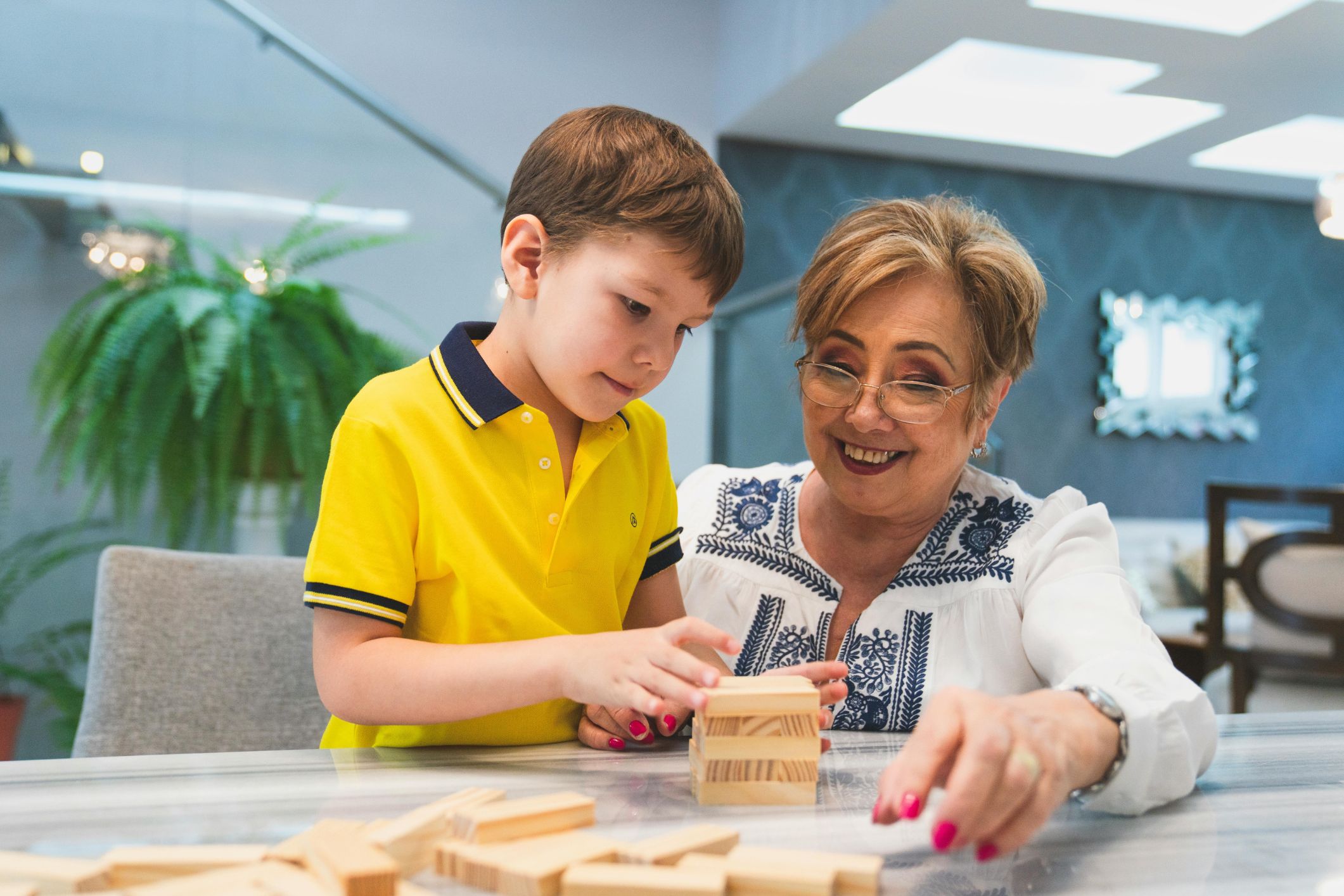
Older caregivers bring unique strengths to the table. Many have raised their own families, giving them an intuitive understanding of children’s needs. They often notice small details, like a child’s mood or a looming rainstorm that threatens the washing, offering a nurturing touch that feels like an extension of family.
Unlike younger caregivers who may focus on educational basics, these seniors provide holistic care, blending practical support with emotional warmth. Their tendency to be less absorbed by smartphones also ensures children receive focused, engaged attention, fostering stronger connections through play, conversation, or simply being present.
For parents, this hands-on approach delivers peace of mind, knowing their children are with someone who sees the world through a caregiver’s lens.
For older women, Nanny Granny is a lifeline. Many seniors, especially women, face financial insecurity, with older women at the highest risk of homelessness in Australia. The platform, which is free for caregivers to join, allows them to earn income by leveraging their decades of caregiving experience.
Families pay a modest $49 for three months of access, with an optional $6.70 monthly subscription, keeping costs low. This model taps into the $77.9 billion unpaid caregiving economy, largely driven by women, recognising their skills as a valuable asset.
By offering flexible roles like childcare, school drop-offs, meal preparation, or even elderly care, Nanny Granny empowers seniors to stay active and financially independent while contributing to their communities.
Families benefit immensely from this community-driven approach. With 75 per cent of long-day care centres now for-profit in 2024, up from 56 per cent in 2013, and evidence suggesting these centres often charge higher fees for lower-quality care, parents are desperate for options.
Nanny Granny puts them in control, allowing them to choose caregivers who fit their needs and values. Whether it’s help with daily routines or occasional support, the platform reduces the strain of balancing work and family life, offering an affordable alternative to traditional childcare.
This flexibility is especially crucial as waitlists grow and costs soar, making reliable care feel out of reach for many.
Safety is a key focus, particularly as Australia’s childcare system faces scrutiny over inconsistent regulations. Concerns about the state-by-state Working with Children Check have sparked calls for a national framework, and Nanny Granny supports such reforms, alongside extending the Child Care Subsidy to home-based intergenerational care.
All caregivers on the platform must hold a valid Working with Children Check, but the platform goes further by providing safety guidelines and resources, including a blog and content hub with tips on interviewing caregivers.
This empowers parents to make informed choices, ensuring their children are in trusted hands. Many caregivers also bring additional credentials, such as teaching or nursing backgrounds, adding further reassurance.
Nanny Granny’s model bridges generations, offering a practical solution to Australia’s childcare challenges. By valuing the wisdom of older women, it provides families with affordable, high-quality care that eases daily pressures.
For seniors, it’s a chance to earn income and stay engaged through meaningful work. In a childcare landscape marked by distrust and inaccessibility, Nanny Granny proves that experience and care can go hand in hand, creating a win-win for families and caregivers alike.


