
Hearing plays a big role with how we communicate and interact with others. So when our hearing is diminished, it can affect many different aspects of our life.
The early signs of hearing loss can be so subtle, that sometimes the person with the hearing loss doesn’t even realise there have been changes in their life.
On average, it’s been estimated that people who have hearing loss often wait years before they seek help.
Hearing loss is often referred to as an “invisible health condition” and early signs of hearing loss are often overlooked.
The main challenge recognising hearing loss is that – unlike other medical conditions – there are no physical signs of change or any pain to indicate that something is wrong.
Hearing loss is often a slow gradual process, and it’s common for individuals to find ways to cope and grow accustomed to reduced hearing.
Some of the early signs of hearing loss will be most obvious when you are in social situations. For example, do you read lips or more intently watch people’s faces when they speak with you?
Things such as requiring frequent repetition, thinking that other people sound muffled or like they’re mumbling or having difficulty following conversations involving more than two people can be a telltale sign.
People with hearing loss have difficulty hearing in noisy situations, like conferences, restaurants, ships or crowded meeting rooms.
Even when alone, there are signs to look out for, such as having your TV or radio turned up to a high volume. Some people will experience ringing in their ears.
Many people don’t realise that there are emotional side-effects to having hearing loss. Especially if the person hasn’t sought out help or if the problem is getting worse.
These emotions are different for different people. Some people will find that they feel stressed out from straining to hear what others are saying.
While other may get annoyed at other people because you can’t hear or understand them, and lash out.
Hearing loss can sometimes lead to social isolation. When people feel embarrassed from misunderstanding what others are saying or nervous about trying to hear and understand. They may start withdrawing from social situations that they once enjoyed doing.
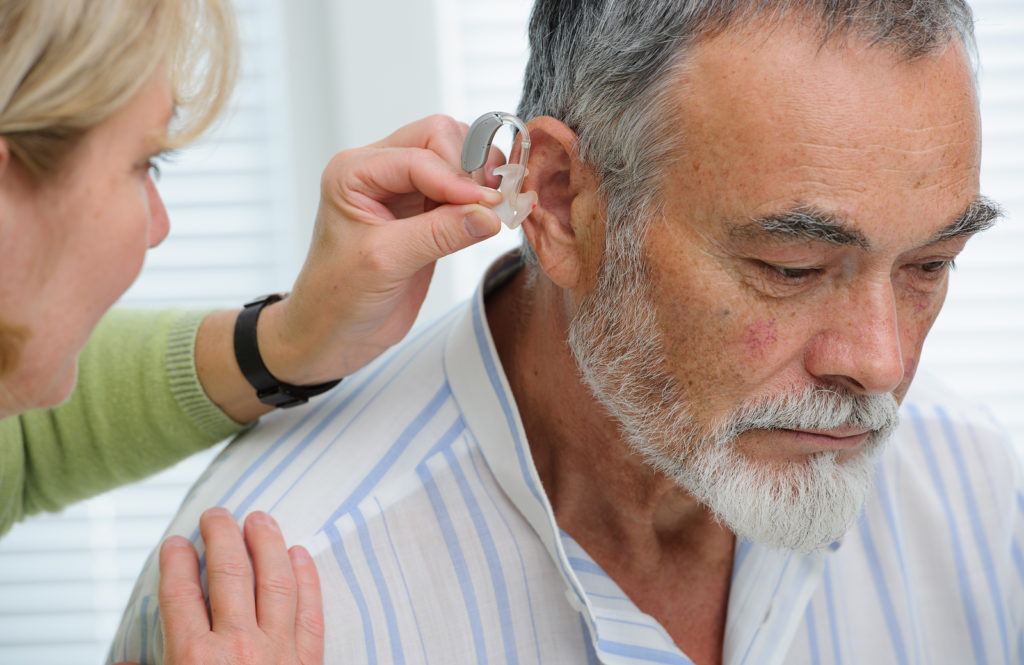
There are certain medical risk factors that increase the chances of hearing loss. However it should be noted that people without these medical factors can still have hearing loss.
Some of these include:
Which all increase the chances of developing hearing loss as they get older.
Being exposed to certain situations, by chance or regularly, can lead to damage to a person’s hearing. These include things such as very loud sounds over a long period or single exposure to explosive noise.
Hearing loss is not a permanent situation, and there are many options for treatment to help improve your hearing.
Like most medical conditions, early detection has been proven to lead to better treatment outcomes.
If you suspect that you may have hearing loss, it may be time to schedule a complete hearing evaluation with a hearing professional in your area.
The most common treatments for hearing loss is typically with hearing aids, but occasionally medication or surgery is needed.
A hearing consultation with a professional audiologist is the best way to find out if you have hearing loss and what options are available if you do.


