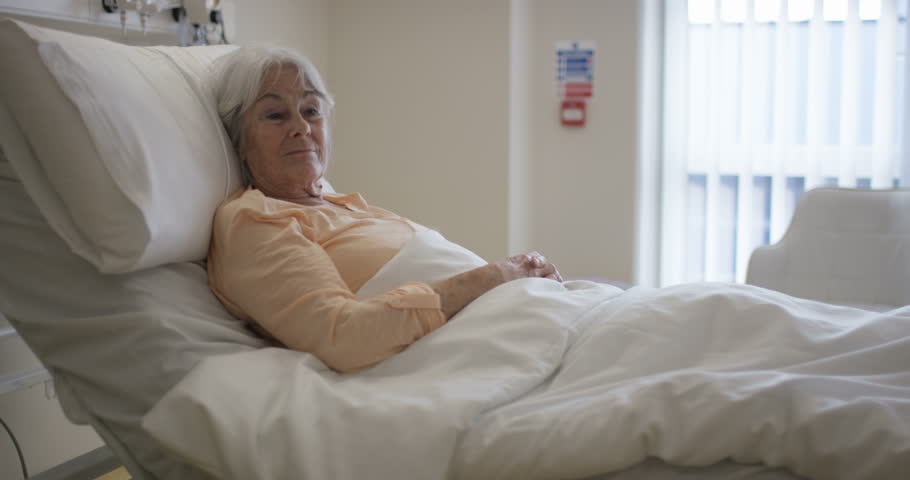
As we get older, our risk of developing diseases such as shingles increases. It is estimated over 120,000 new cases of shingles are reported annually in Australia and the substantial burden of shingles in Australia is continuing to increase over time, most prominently in the older population.
Shingles is caused by the varicella zoster virus, the same virus that causes chickenpox.
After a case of chickenpox, the varicella zoster virus lays dormant in the nerves and can reactivate at any time, most commonly in older age, causing shingles. 97 percent of adult Australians have the virus that causes shingles within them.
Shingles is characterised by a distinctive, and painful, blistering rash that forms a band or belt on one side of the body.
The symptoms of shingles can vary from person to person. In most cases there are initial symptoms 48-72 hours before the rash appears with symptoms including sensitivity to light, headaches, itching, tingling, a general unwell feeling or severe pain in the affected area.
The pain is often followed by an itchy red rash that can include fluid-filled blisters that break open and crust over, however shingles is not just a rash.
Shingles nerve pain can be excruciating and has been described as throbbing, burning, stabbing and sharp.
Nerve pain can persist for months or even years after the rash has healed and is known as Postherpetic Neuralgia (PHN). PHN is the most common debilitating complication of shingles. Up to one in five older Australians with shingles may develop PHN and the risk and severity of PHN increases with age. Other complications of shingles include scarring, bacterial infection, neurological complications and an increased risk of stroke in the following six months.
There is no cure for shingles however the Government has funded shingles prevention and treatment options. Please talk to your GP for more information.
Recently released research found that almost half of Australians in their 70s are not looking after their health.
The research found:
These figures are in contrast with 87% of this group believing they are doing their best to take care of themselves.
Additionally, just under half of this group (46%) prioritise the importance of the health of other family members over their own personal health.
Geriatrician Associate Professor Michael Woodward AM said, “This research is concerning as it shows that not only do many of our older Australians misunderstand what they need to do to protect their health, despite their best efforts, they are getting some of the basics wrong.”
“They are also putting others ahead of their own health, potentially exposing themselves and others to illness. Additionally, although they are seeing their GP regularly, they are still not aware that the risk of developing certain illnesses increases as they age, such as shingles.”
The research found that over a quarter (27%) of 70-79 year old Australians have had shingles, a condition not only more common over the age of 70, but with an increased risk of complications at this age.
“70% of our 70-79 year olds don’t know they are at high risk of shingles, and over a third (36%) are not aware that shingles may be treated and prevented. Shingles can strike at any time and we don’t know how severe it will be when it hits. We do know that the chance of developing shingles, along with the risk of complications, increase with age, particularly over the age of 70.”
“Although there is no cure for shingles and we know one in three may develop shingles in their lifetime, 40% of Australians aged 70-79 are not aware that there are Government funded shingles prevention and treatment options,” A/Prof Woodward continued.
The research also uncovered the reasons why our older Australians want to protect their health, with 84% saying it is so they could enjoy life more and live a longer and healthier life, and 61% saying it was so they could be around to see grandchildren grow up.
National Seniors Australia CEO Dagmar Parsons said older Australians were important members of the community and play a vital role in caring for loved ones, particularly grandchildren.
“It is important that we encourage older Australians to do everything they can to look after their health and put their own health first, to ensure they are able to lead long and fulfilling lives,” Ms Parsons said.

What do you have to say? Comment, share and like below.


