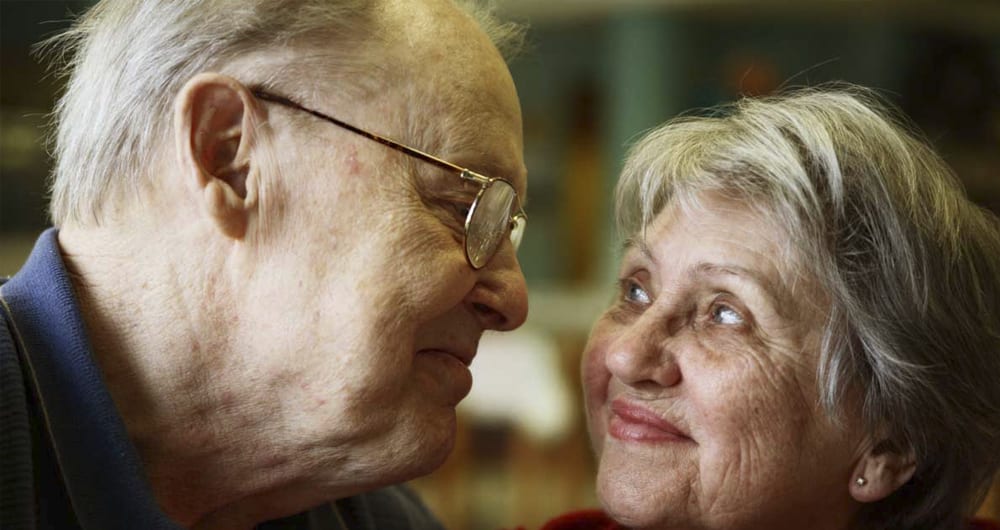
In 2016, there were 118,401 new marriages registered in Australia. And these people may be at a lower risk of developing dementia than unmarried people.
Marriage – it may drive you crazy, but it could actually be good for your brain health.
A new study, published in the Journal of Neurology, Neurosurgery and Psychiatry has found that people who have been single all of their lives could have a 42% higher risk of developing dementia than those who are married.
Also, those who have been widowed had a 20% increased risk compared with married people – this, researchers believe, could be due to stress and grief that comes with bereavement, as well as the sudden loss of a constant social interaction.
The results were found from an analysis of 15 studies which held data on dementia and marital status involving more than 800,000 people from Europe, North and South America, and Asia.
“There were fairly well established health benefits of marriage, so we did expect there to be a higher risk in unmarried people,” said lead author Andrew Sommerlad, a psychiatrist and research fellow at University College London.
“But we were surprised by the strength of our findings”.
“We don’t think it is marriage itself which reduces the risk, but rather the lifestyle factors that accompany living together with a partner,” Sommerlad explained, suggesting that married people may actually be healthier than unmarried people.
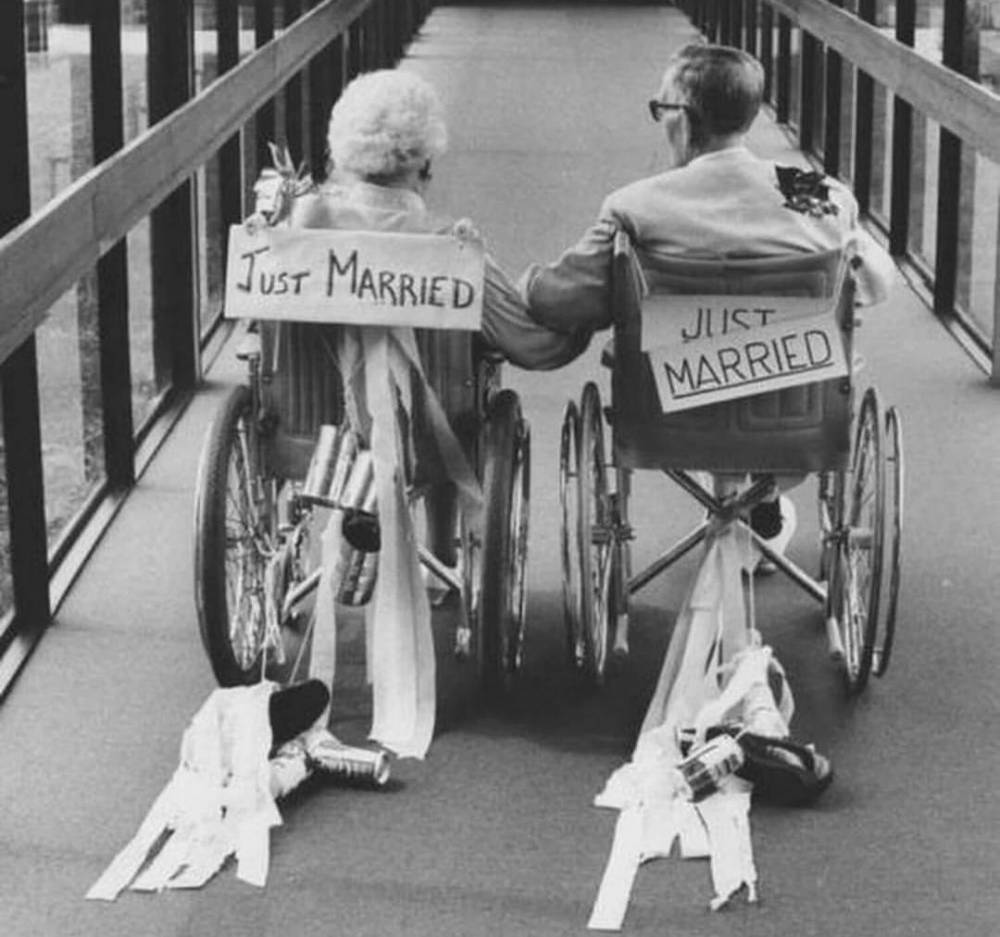
Lifestyle factors that married people tend to have, and are beneficial to their health, include taking better care of physical health, diet, exercise, but most importantly, the “social stimulation that comes with having a partner to talk to”.
Social isolation is believed to drastically increase the risk of developing dementia. A study by the Journal of Clinical Nursing on dementia and loneliness reported the importance of relationships and the value of interacting with familiar people, following a series of interviews of people living with the condition.
“Not all the studies gave information on this, but it is usual in such studies for non-married cohabiting partners to be classified as married,” Sommerlad said, “we would therefore expect cohabiting people be similar to married.”
What this suggests is that social interaction can help to build cognitive reserve, or a “mental resilience” that allows people to function for longer, even if they already have early stages of dementia.
The research found that when you are born, in conjunction with your marital status, also plays a role, “single people born during the first quarter of the 20th century had a 40 percent higher risk, whereas people of equivalent age who were born more recently have only a 24 percent higher risk,” Sommerlad said.
This could be because of the evolution of lifestyles over the generations – single people more recently have more opportunities to remain socially active, in comparison to a single person 100 years ago who may have been shunned.
Interestingly, the research also found that people who were divorced did not have more risk of developing dementia than people who were married – suggesting that the act of simply being married does not prevent dementia, there needs to be love and friendship behind it.
What do you have to say? Comment, share and like below.


