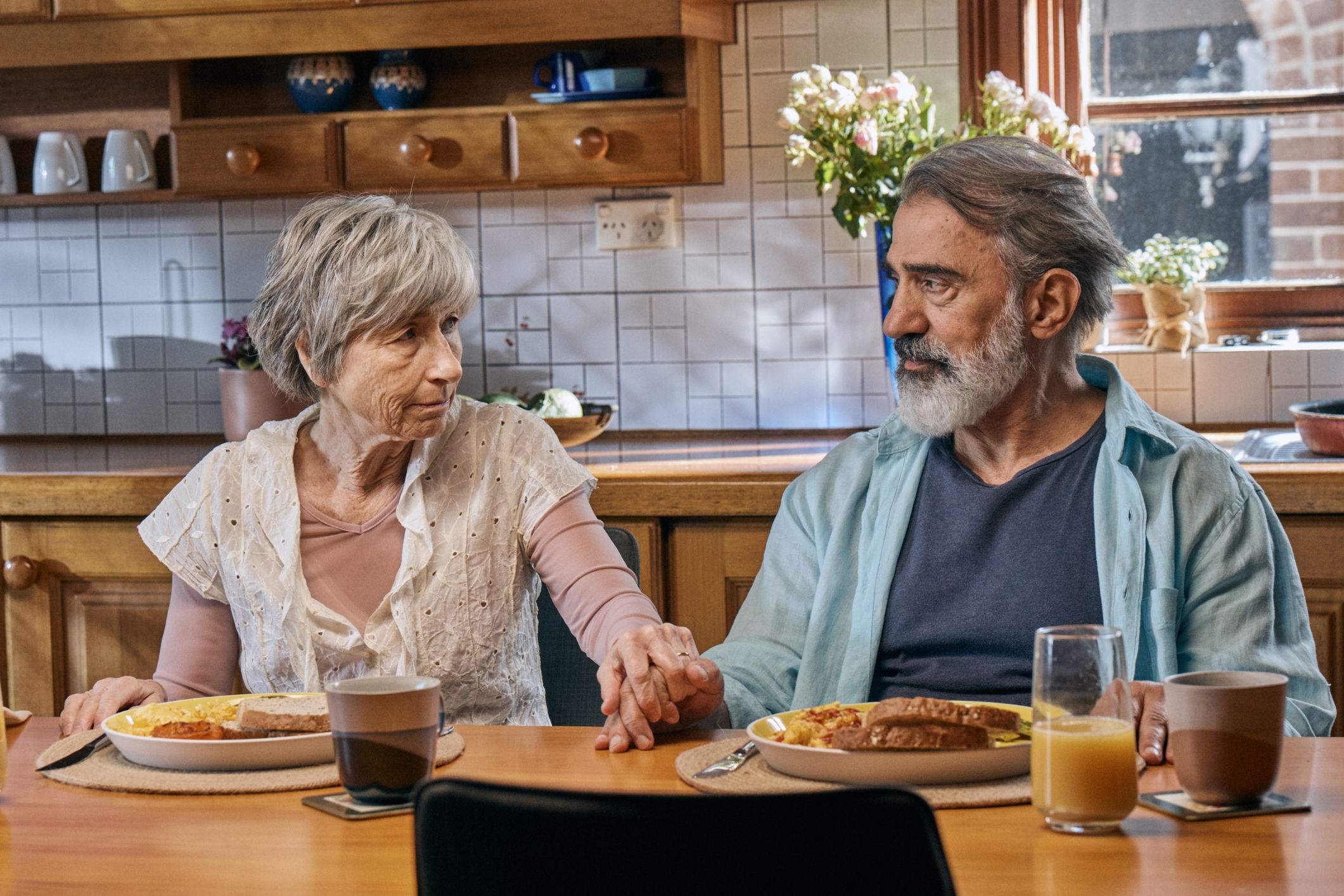
Recent events have focused attention on the challenging behaviours that may occur for someone living with dementia. With approximately 70% of people with dementia living at home, carers in the community are living with the impact of changing, and sometimes challenging behaviours.
A recently released report by the Australian Institute of Health and Welfare (AIHW) estimates that 354,200 unpaid carers dedicated their time and effort to supporting people living with dementia in the last year. It went on to add that many are often working 60 or more unpaid hours per week in this role and facing significant physical, emotional, and mental strain as a result.
According to Dementia Support Australia (DSA), partners and adult children are at the forefront of caregiving responsibilities and navigating changes in behaviour for a person living with dementia at home. Many are not aware of the support available. Head of Clinical Services at DSA, Associate Professor Steve Macfarlane said it’s Government policy tries to keep people with living with dementia, at home for as long as possible.
“That’s not to say they don’t experience behavioural problems at home. Behavioural problems are often the reason why people get moved into care, so we provide advice to home-based carers along much the same lines,” A/Prof Macfarlane said.
Leading geriatrician and senior Research Fellow Professor Sue Kurrle highlighted the critical role that unpaid carers play in the lives of those with dementia, conceding that they are usually women who often found themselves stressed to breaking point.
“Accelerating behavioural symptoms can be the trigger point for carers to feel that they are not coping,” she said.
“These carers need to know where to get help if it’s needed, day or night.”
One of the key support services — DSA, — is funded by the Australian Government and led by HammondCare. The free service has trained more than 300 consultants nationally since it began — with referrals more than doubling to 18,091 in the four years to 2022.
In particular, the service hopes to educate and provide personalised assistance on the behaviours and psychological symptoms of dementia (BPSD).
A/Prof Macfarlane estimated that the pharmacological treatment for BPSD may only work in one out of every five instances.
“We know now that nonpharmacological interventions are not only much safer than drugs, because they don’t have side effects — they’re also more effective, and we’ve analysed our outcomes at DSA, in recent years,” he said.
Marie Alford, head of DSA, said that up to 90% of people living with dementia will experience BPSD at some point, including anxiety, hallucinations, and disinhibition. She said it was crucial for carers to better understand the causes behind the behaviour and what environmental or social factors may have contributed.
In most cases, many changes in behaviour could be better managed through knowing the person and understanding the message they are trying to communicate.
To let carers know there is help available, DSA has launched a new ‘Dementia affects us all’ campaign. It provides a confronting message about dementia and the changing behaviours of those who live with it.
“The aim is to let carers know that help is there when changes happen,” said Ms Alford.
As part of the campaign, Professor Sue Kurrle, presents a series of online video resources offering carers specific advice on the range of different behavioural and psychological changes they may face.
Free dementia support is available for carers through the DSA website: dementia.com.au and the 24/7 helpline (1800 699 799). Through reaching out, carers will be able to tap into a network of experienced dementia consultants who can assess changes in behaviour and offer individually tailored support.


