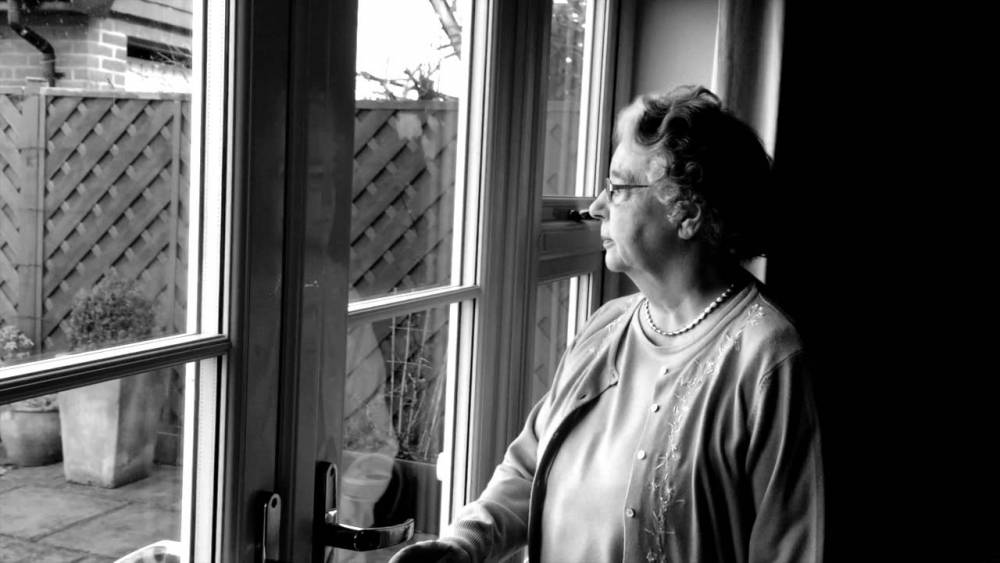
Social isolation can lead to negative health effects – this is something that many studies and researches have stated in the past.
The negative effects are especially seen in people living with dementia, who are more likely to exhibit agitation and restlessness than people who do have some social interactions.
It has even been suggested that being socially isolated can speed up the cognitive decline and make the progression of dementia more rapid.
The common cycle we often see with older people begins with isolation, then loneliness, through to depression and illness, progressively gets worse over time.
A new study has stated that socially interacting with a person with dementia for just one hour per week can significantly improve their quality of life.
Published in PLOS One, the large-scale trial was led by the University of Exeter, King’s College London and Oxford Health NHS Foundation Trust.
Professor Clive Ballard from the University of Exeter Medical School, who led the research, said, “while many care homes are excellent, standards still vary hugely. We have previously found that the average amount of social interaction for people with dementia was just two minutes a day”.
“It’s hardly surprising when that has a knock-on effect on quality of life and agitation.”
“Incredibly, of 170 carer training manuals available on the market, only four are based on evidence that they really work. That is simply not good enough – it has to change.”
The research found that this was also a cost effective approach, as addressing unmet needs can reduce the amount of medication and extra care that a resident may normally require.
“Our approach improves care and saves money. We must roll out approaches that work to do justice to some of the most vulnerable people in society,” said Professor Ballard.
Social interaction goes beyond just simply being there and talking at the resident. It involves being fully there and taking an interest in the person you are caring for.
Dr Jane Fossey from the Oxford Health NHS Foundation Trust, explained that it’s about “taking a person-centred approach is about getting to know each resident as an individual – their interests and preferences – and reflecting these in all aspects of care.
“It can improve the lives of the person themselves and it can be rewarding for carers too. Rolling out the training nationwide could benefit many other people.”
Considering that 40 per cent of Australian aged care residents do not get any visitors all year round, adopting a “social” initiative could be beneficial for older Australians.
On top of having a more social approach to person-centred care, the family and loved ones of the resident also need to play their part to ensure the elderly resident does not feel isolated, and the consequential after effects.
What do you have to say? Comment, share and like below.


