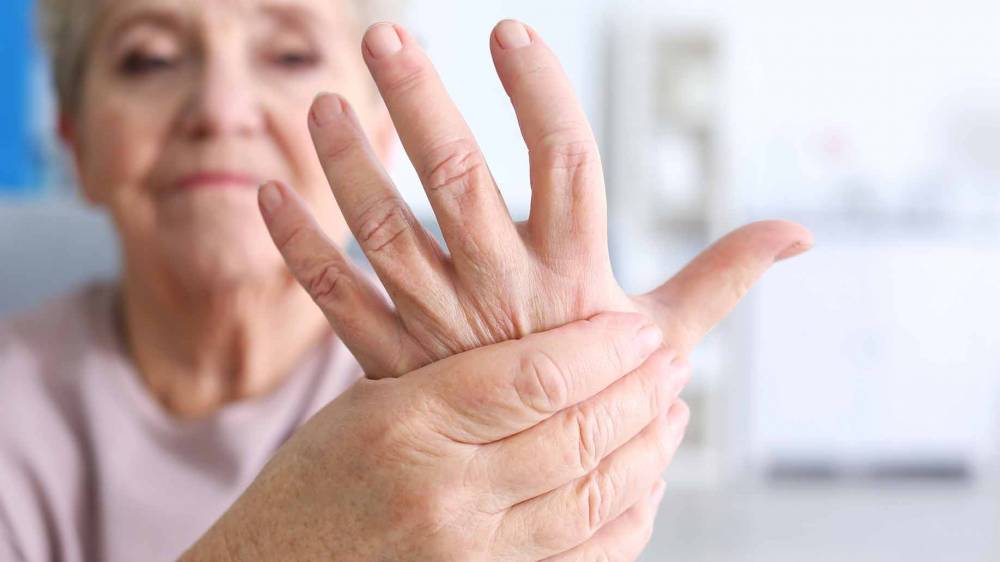
At various points in my life, I have known pain. Falling over as a child. Dreading the dentist’s drill. Appendicitis (youch!). Natural, unmedicated child birth (which, from those days – three of them – onwards, became the benchmark against which I’ve rated all subsequent experiences). Falling over – as one becomes increasingly more prone to do – as an older adult. And, on and off, like so many of the rest of the world, especially for those who are ageing, back pains of varying sorts and to varying degrees.
In my earlier days of back pain, various measures helped to relieve and even cure it. A raised computer monitor. A chiropractor’s manipulation. Massages. A batch of exercises. But now, my ageing spine is getting a bit tricky to mend, and spends some of its time sending various levels of pain (from mild to OMG), down my thighs and legs. So, my poor GP has added yet another member to her legions of patients with back pain. And I have a bundle of pain killers of assorted strengths to manage it, and a referral to a physiotherapist whom I’m hoping will provide a magical cure, or at least make it better.
What has also happened is that I’m now much more reflective of the experience of pain. I have, from time to time, admired those people who manage to keep going despite being in constant pain – those people whom you read about, whose pain doesn’t respond to physical or medicinal treatments, and have to resort to mind games for relief of some sort. But there is nothing like experiencing regular pain to give you real empathy for those who are even worse off.
And what I have found is that instead of taking being pain-free for granted, I now savour those blissful times when there is no pain, and just appreciate them so much. And I’ve reviewed the rallying cry of “no pain, no gain”, for dealing with tough times, and found it wanting in the physical world. Instead, my new mantra is “no pain, great gain”.
What do you have to say? Comment, share and like below.


