A six-year-old child has been killed after an elderly woman failed to stop when reversing her car out of a parking space.
The incident occurred at a pedestrian crossing at Nambour supermarket on the Sunshine Coast on Sunday.
The six-year-old’s older sister and her mother were also injured in the incident, but their injuries are not life threatening. The 86-year-old driver of the car was treated for shock, and is helping the police with their inquiries.
The incident has understandably resulted in an outpouring of grief. A gofundme page to raise funds for the family has raised nearly $50,000, despite an initial target of only $20,000.
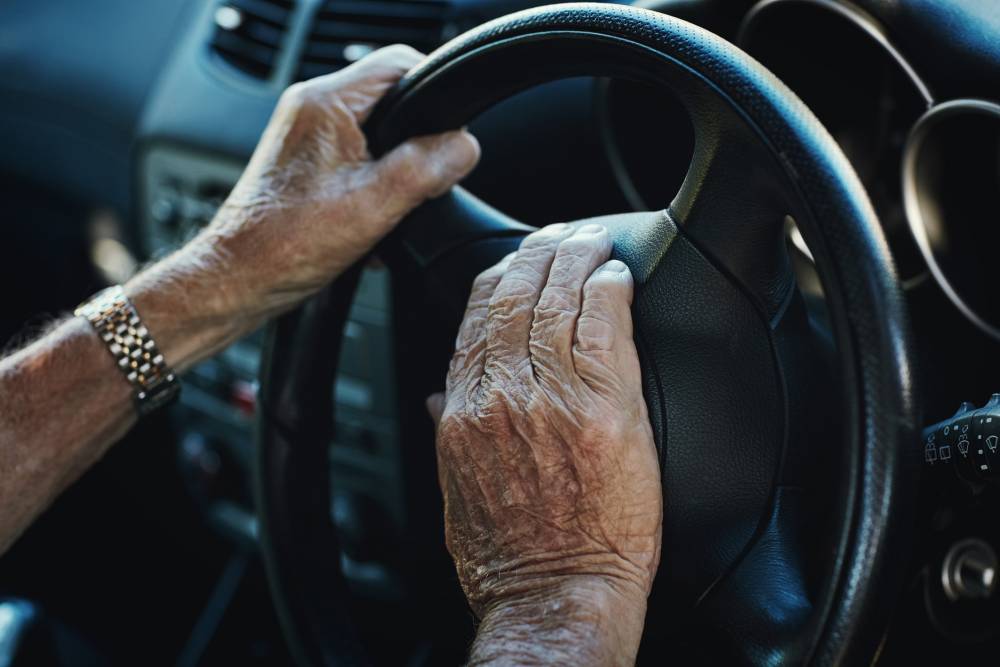
Car accidents involving elderly drivers often attract a large amount of media attention and calls for greater testing and restrictions for older drivers.
With Australia’s ageing population, we will have more elderly drivers on our roads, so the topic is of national importance.
Having somes types of restrictions for older drivers seems necessary because driving is a complex task, and cognitive and physical abilities decline with age. But we all age at different rates and in different ways, so how we impose regulations is difficult.
Also, while elderly drivers are able to remain on the road, they can retain a large degree of their independence, and retain an element of control and normalcy in their lives.
It’s also worth noting is has been well established that once people are no longer allowed to drive, their health worsens, and they are more likely to develop depression and it has even resulted in suicide – so the consequences of not allowing people to drive are serious.
So the risks associated with older people driving must be balanced against the loss of independence of the older person, and the possible catastrophic effects that can be associated with preventing them from driving.
Despite the media coverage that car accidents involving older drivers receives, research shows that older drivers have lower crash rates than younger drivers.
Dr Charles Musselwhite, Associate Professor in Gerontology at the Center for Innovative Ageing, says studies show there are more injuries for drivers over the age of 75, but that could be because they are frailer.
Testing doesn’t seem to make a dramatic difference to safety for elderly drivers. In NSW, those aged over 80 must have a medical assessment, and from the age of 85 must have on-road testing. In Victoria, there are no age controls – and yet data shows there is no significant difference in the numbers of older people being involved in collisions in the two states.
Car accidents involving the elderly, such as the tragic incident involving the six-year-old girl, often occur when the older person is parking their car, or pulling out from a park. New technologies, such as parking assistant systems and collision avoidance intervention systems (that brake if the driver fails to) could be considered for older drivers.
Graduated drivers licenses could allow drivers on the roads only at certain times of day, or on certain routes. Elderly drivers often regulate themselves in this way, for example by not driving in heavy traffic or at night.
Driving requires complex and rapid decision making. Introducing ways to make driving simpler could help older drivers, such as introducing more controlled turns at traffic signals.
Driving also requires good vision. Improving lighting and signage could help older drivers.



People are already driving without a licence so I don’t see how graduated or restricted licenses are going to change driving behaviour. If you live in a country area and you are an older person and you have access to a car you can just get in the car and drive it to the shops. Older people need more support with shopping and getting out to friends and family. I think that people who are not safe to drive should not have a licence. When you lose your licence you should also have to stop using your car. Subsidized taxis or Ubers might help.