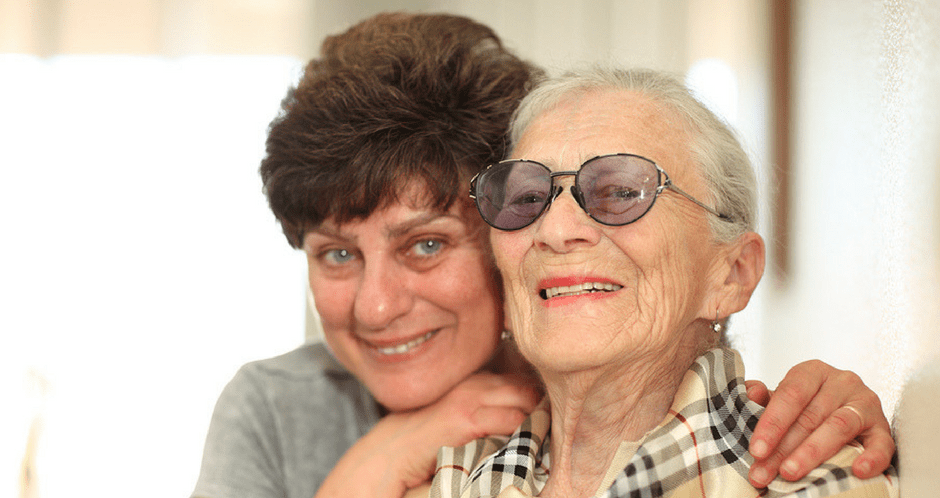
Being a family carer can be one of the most rewarding experiences a person can have – they are helping someone who can not otherwise care for themselves. Carers are giving their time and energy to help others.
Many researchers have looked into the positive aspects of being a carer – things such as the joy and happiness they bring to the person they are caring for, sharing mutual love and support and maximising the care the recipient receives.
There are also some positive benefits for the carer – the satisfaction the carer feels in fulfilling their responsibilities and duties and the enhanced human experiences they live.
When you are a family carer looking after an elderly loved one you are taking on a big responsibility by caring for another person. This is a responsibility that many carers will tell you is an honour.
But what about your responsibility to yourself? Being a carer can take a toll on your health in ways that many people may not be aware about.
According to the Australian Bureau of Statistics (ABS) approximately 30% of caregivers reported that their well-being had been affected by caregiving – most commonly with depression or worrying.
To describe the effects that carers feel, researchers came up with the term “carer burden”, though many do find it offensive to call it such. As it can make the person who is being cared for feel even more helpless and guilty about their need for support. What it entails is the physical, mental/emotional and economic impact a carer can feel when they care for their loved ones in need.
According to Alzheimer’s Australia, when surveying of carers of people living with dementia, 31% of respondents said that they had a negative impact on their physical health and 34% reported feeling weary or lacking in energy.
Being a carer can be stressful – and such stresses and strains can lead to impaired immunity, high levels of stress hormones, high blood pressure and an increased risk of cardiovascular disease. However, it should be noted that these ailments are increased due to stress and not directly from the caregiving.
Social isolation can be common in carers. A National Carer Survey in the United States found that carers of people with dementia were more likely to give up their holidays or hobbies, have less time for family which in turn has lead to family conflicts and work related problems.
Many of those surveyed said that demands of being a carer saw that there was a reduction in their own social and recreational activities. It was seen that increasing the time they spent socialising or on activities they enjoyed resulted in a reduction of the negative impact of caregiving.
Being a carer can take a financial toll – due to the amount of time it take, many carers end up with a loss of earnings as they are no longer able to work or end up in early retirement. The Australian Making Choices survey survey found that 20% of their respondents had to take leave of absence from work to provide care, 13% had to permanently reduce their workload, and 8% had to stop work altogether.
Many family carers end up being the one funding for their loved one’s treatments, and it’s often their responsibility to pay for any costs associated with care, such as travel to appointments and payment for services.
For family carers who may be feeling the impact of caregiving, or to prevent themselves from the negative effects, the best recommendation is to gather information and to get support.
There are support groups available specifically for carers, where they focus on coping strategies and help with mental health issues such as depression and anxiety, as well as increasing self-efficacy, resilience and overall well-being.
Contact Carers Australia in your local state and find out where you closest family caregiver support groups is.
Information, education and skill training is another technique to help cope with the impact of caregiving, these are called “psychoeducational interventions”. A review of educational interventions, learning more skills and information while also being supported, found that there was a moderate effect on the impact of caring and a small effect on depression.


