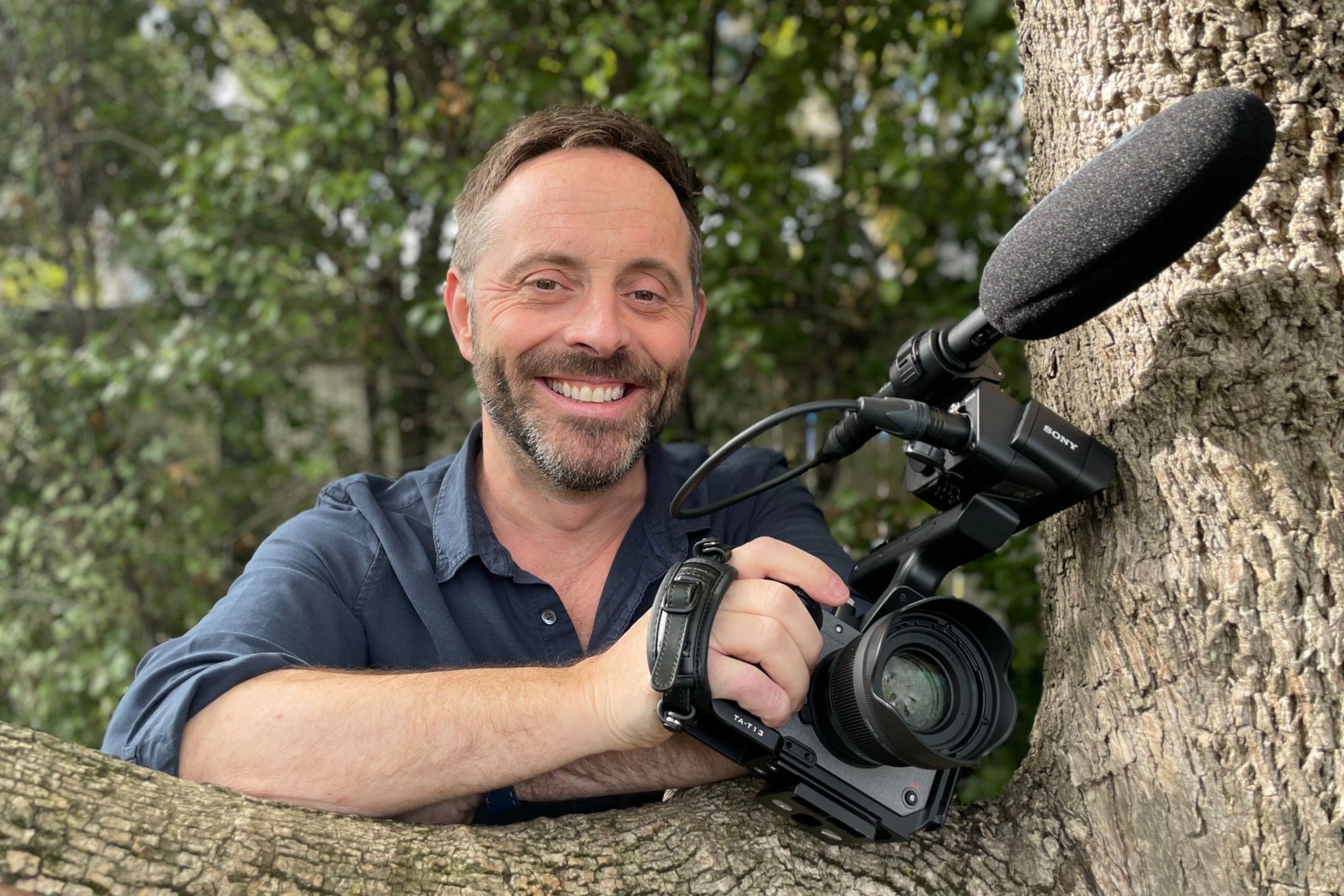
This personal documentary filmmaker believes more Australians have a better quality of life when they confront the reality of death.
All About Me Films Founder Dan Thomas said after many interviews with people dealing with grief, one thing has become increasingly clear – the more open to the reality of end-of-life we are, the more likely we are to make the most of it.
We may experience grief in response to the death of a loved one or watching a parent’s descent into dementia and may arise in many different and unusual circumstances.
Psychologists have found it hard to deduce how grief logically operates, partly because it is unique and related to the person experiencing it. Remembering is what makes us grieve and even a brief memory activated by an image, a smell, or a song, can bring on feelings of loss even without consciously knowing why.

“Grief is part of life but how we deal with it has huge consequences for those left behind,” he said.
Mr Thomas said demand for his personalised documentary service has significantly increased as more older Australians reflect on their life and legacy.
Our ability to create pictures in our minds or touch on positive memories, sometimes through visuals like film, can help soothe our feelings around loss, reduce stress and in a sense reunite us with someone we have lost.
Across dozens of interviews, Mr Thomas has found participants often reflected on the loss of a partner, a family member or a friend. Participants also reflected on everything from childhood moments to life-or-death decisions that impacted their lives long-term.
“Sharing a deeply personal story is a cathartic experience but for many getting to that point is a tremendous challenge […] To be able to talk about loss and to laugh or cry in the process is a significant step toward healing and it can help others.”
Mr Thomas believes grief can inspire us to prioritise meaningful connections, live authentically, and pursue passions and dreams while we can.
“It serves as a reminder to embrace and make the most of the time we have with our loved ones.”
With this in mind, similar services have been established to help people capture the precious memories of their loved ones and immortalise their stories in a media form.
Heath Piper, Founder of audio memoirs company Playback Interviews, began capturing stories and conversations like these to give families an opportunity for reflection and understanding from their loved one’s experiences, wisdom, and perspectives on life – helping them navigate their own lives and make informed decisions based on the lessons they have learned.





