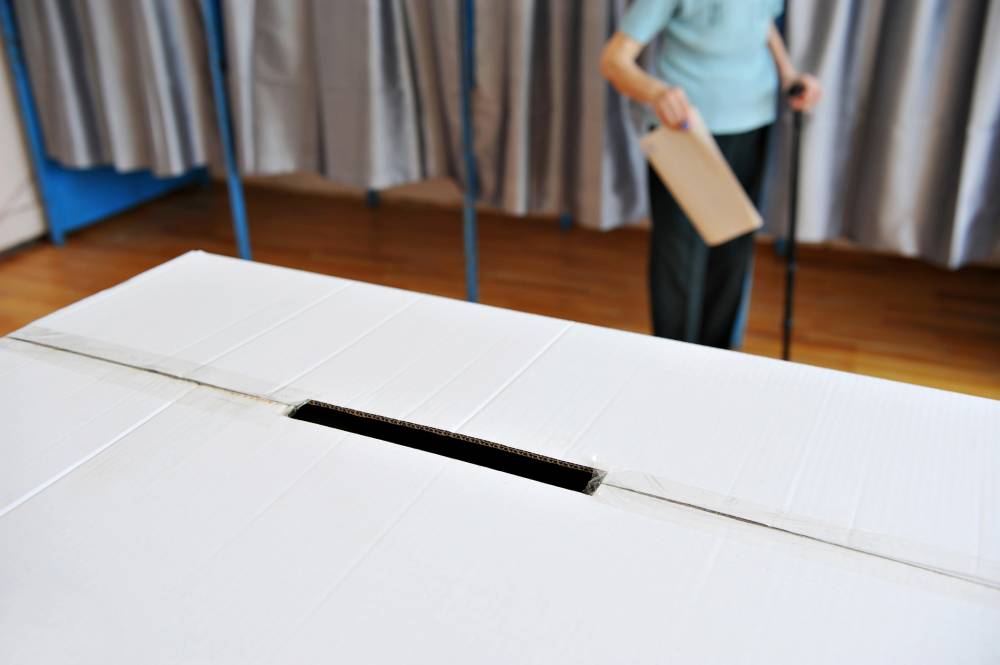
The Australian federal election will be held on Saturday May 18 2019. For the 2019 Federal Election, voters aged 65+ years make up 23% of the electorate, a significant voice.
What is important is that everyone’s voice is heard. For senior Australians with a health issue, the practicalities of voting can be challenging. Fortunately, there are several accessible voting options available to smooth the process:
If you live too far away from a voting centre, have mobility issues that may restrict your ability access to a voting centre, or are residing in a nursing home, you may be eligible for a postal vote. Once registered for a postal vote, ballot papers will be sent to you via post.
By voting early you beat the queues, thus have improved access for parking and assistance from polling officials. The best news…. early voting centres are already open!
If you have a visual impairment you may be eligible for telephone voting which can be done from home.
At a voting centre polling officials are there to help, for example; answering questions, helping you to complete ballot papers and helping you to cast your vote. If you are unable to get out of the car due to health issues, a polling official can bring the ballot papers to you. You may also nominate a friend or family member to assist you at a polling centre.
Accessibility is generally quite good at voting centres. Although, for more specific information, each voting centre has an accessibility rating which is available on the Australian Electoral Commission (AEC) website.
The AEC ‘Official Guide to the 2019 Federal Election’ is available in many accessible forms including; large print, easy reading, braille and audio.
Visit the Australian Electoral Commission’s website for more information about accessible voting options for seniors.


